2026 Best Custom Packaging Boxes for Global Buyers
In 2026, Custom Packaging Boxes are more than protective containers. They shape first impressions, influence repeat purchases, and support a brand’s global image. Buyers now expect accurate sizing, durable construction, responsible materials, and dependable delivery. A well-designed box should survive stacking, vibration, humidity, and repeated handling before reaching the customer’s door.
Small details matter. A rigid box with a clean magnetic closure can present premium cosmetics beautifully. A recyclable corrugated mailer may better suit a growing online store. Kraft texture, soft-touch coating, and precise color matching can communicate different brand values. However, attractive packaging is not automatically practical. Excessive inserts may increase shipping costs. A beautiful finish may also complicate recycling. These trade-offs deserve honest evaluation.
Reliable suppliers should provide material samples, structural drawings, production proofs, and clear quality standards. Compression testing, drop testing, and print inspection can reveal weaknesses before mass production. Global buyers should also confirm labeling needs, material claims, import requirements, and packaging restrictions in each target market. Requirements can change. Assumptions create risk.
The best packaging decision balances appearance, protection, cost, sustainability, and customer experience. It also leaves room for improvement. A first order may expose unexpected issues, such as loose lids or color variation. That feedback is valuable. By reviewing performance data and customer comments, brands can refine their Custom Packaging Boxes with greater confidence and long-term reliability.
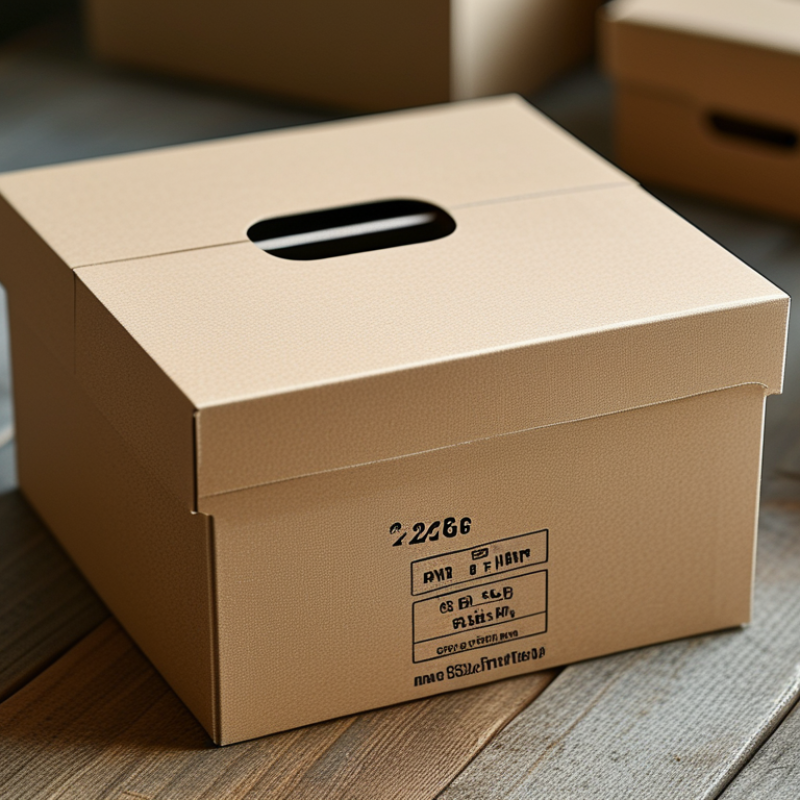
Custom Packaging Boxes: Definition and Role in Global Trade
2026 Best Custom Packaging Boxes for Global Buyers
Custom Packaging Boxes: Definition and Role in Global Trade
Custom packaging boxes are containers designed around a product’s size, weight, shape, and shipping route. Unlike standard cartons, they can include tailored dimensions, protective inserts, printed instructions, and handling marks. A well-designed box may reduce empty space, movement, and damage during long-distance transport. It also gives overseas buyers clearer product information before opening the package.
In global trade, packaging serves practical and commercial roles. It protects goods during stacking, vibration, humidity, and repeated handling. It can also support traceability through batch details, barcodes, and destination-specific information. Export teams should confirm material strength, print accuracy, recycling guidance, and import requirements before production. Small errors matter. A missing measurement can create costly delays.
Tips: Test a physical sample before ordering in bulk. Place the packed box under realistic pressure and inspect every corner. Ask suppliers for material specifications, compression data, and production photos. Keep artwork files, approved dimensions, and inspection records together. This process is not perfect, especially when shipping conditions change, but careful testing exposes weak points early. For fragile products, combine a rigid outer box with fitted cushioning and moisture-resistant protection. Avoid oversized designs; extra space often means higher freight costs and more internal movement.
2026 Best Custom Packaging Boxes for Global Buyers
Custom Packaging Boxes: Definition and Role in Global Trade
Custom packaging boxes are made-to-order containers designed around a product’s size, protection needs, branding requirements, and shipping conditions. The chart shows 2023 merchandise exports by region in trillion U.S. dollars. Higher trade volumes generally increase demand for durable, printable, and efficiently sized packaging for storage, handling, and international delivery.
Source: World Trade Organization, World Trade Statistical Review 2024. Values are rounded.
Main Box Types and Materials for Different Products
In 2026, global buyers need custom packaging boxes that protect products and communicate value. The right box type depends on product weight, shape, fragility, and retail channel. Corrugated mailer boxes suit online orders, subscriptions, and lightweight goods. Rigid boxes create a premium unboxing experience for gifts, cosmetics, and electronics. Folding cartons offer efficient storage for food, personal care, and small retail items. Die-cut boxes can hold unusual shapes, but poor measurements may cause movement inside.
Material selection affects durability, cost, and sustainability. Kraft paper gives a natural appearance and works well for everyday shipping. White paperboard supports sharp colors and detailed product information. Corrugated board offers stronger edge protection through its fluted inner layer. Recycled fibers can reduce material impact, although their surface may look less uniform. Water-based coatings are useful when buyers want cleaner handling, but they may not suit every moisture condition. Testing matters more than appearance.
Tips: Match the box strength to the product’s actual shipping journey. Ask for samples before placing a large order. Check compression, drop resistance, closure quality, and print consistency. Leave enough internal space for protective inserts, but avoid excessive filler. A small bottle may need a snug divider, while a soft garment needs breathable folding space. Packaging choices are sometimes imperfect. A cheaper box can create higher replacement costs when corners crush during international transport. Judge the full delivery experience, not only the factory price.
How to Select Boxes for International Shipping and Protection
2026 Best Custom Packaging Boxes for Global Buyers
How to Select Boxes for International Shipping and Protection
International shipping exposes packaging to drops, compression, vibration, moisture, and temperature changes. A suitable custom box must survive more than a warehouse shelf. Choose corrugated board according to product weight, travel distance, and stacking conditions. Single-wall board may suit lightweight goods. Heavier products often need double-wall construction and stronger edge protection.
Measure the product after adding cushioning, not before. Leave enough space for molded inserts, paper padding, or air protection. Too much empty space allows movement. Too little space creates pressure on corners. Keep the packed box compact because dimensional weight can increase freight charges. I have seen attractive boxes fail because their corners softened after crossing humid regions. Water-resistant coatings can help, but they are not magic.
Ask the packaging supplier for board strength data, compression results, and samples. Practical testing should include drops from handling height, stacking under load, and exposure to humidity. Check the box after testing, not only the product inside. Clear labels, secure closures, and readable handling instructions also reduce mistakes during transit. Recyclable materials may be preferable, but thin material is not automatically responsible if it causes repeated damage. A stronger design can sometimes use fewer replacement shipments. Test real packing conditions. Laboratory results alone may miss the awkward moments.