

Choosing a dependable Child Resistant Zipper Pouch manufacturer takes more than comparing prices and printed samples. The pouch must feel practical in hand, close consistently, and suit the product it is designed to protect. A zipper that catches, a weak seal, or unclear opening instructions can undermine an otherwise polished package. Small details matter.
This 2026 guide introduces manufacturers and the qualities buyers can investigate before requesting a quote. Look for clear information about materials, production controls, sample availability, printing options, minimum order quantities, and delivery schedules. Ask how performance is checked across production runs, not just on one attractive sample. Samples reveal plenty, but they cannot answer every question.
Child-resistant features should be supported by appropriate testing and documentation for the intended market. Product claims deserve careful review, since designs and requirements can vary. A supplier’s confident sales language is not a substitute for verifiable records. Buyers should also confirm that the pouch works with their filling process, storage conditions, and customer instructions. These checks take time. They may feel repetitive, yet a missed detail can become an expensive packaging problem.
No manufacturer is automatically the right fit for every brand. Some offer more material choices, while others may provide stronger technical support or more flexible order volumes. The comparison below is a starting point, not an endorsement. Verify specifications directly, request current documentation, and consider independent advice when needed. Even a thorough shortlist can miss something; that is a reason to ask better questions, not to rush the decision.
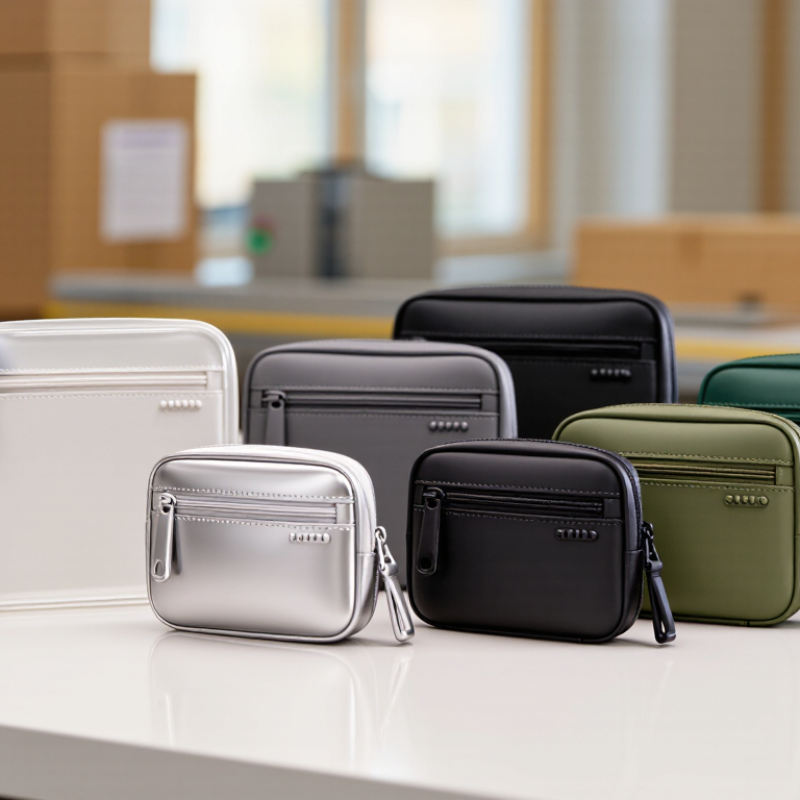
Child-resistant Zipper Pouches are flexible packages designed to make opening less straightforward for young children while remaining usable by adults. They often look like ordinary resealable bags, but their closures require a specific motion or combination of actions. A common design uses two interlocking tracks and pressure points near the zipper. The user presses those points, then pulls the seal apart. Other designs have small release tabs or require pinching and sliding at the same time. The exact motion depends on the pouch.
Feel the closure.
A properly aligned zipper usually gives a clear tactile response as its tracks engage, though the sound alone does not confirm a secure seal. To open one, an adult may need to press marked areas firmly while pulling the edges in a particular direction. Some pouches also include written or illustrated instructions, which matter when the mechanism is unfamiliar. Child-resistant does not mean childproof, and designs can vary in ease of use. For packaging decisions, assess the complete pouch and its closure rather than judging the zipper by appearance alone. That detail is easy to overlook.
| Topic | What It Means | How to Evaluate It |
|---|---|---|
| Child-resistant pouch | A flexible package designed with a closure intended to make access difficult for young children while remaining usable by adults. Child-resistant does not mean childproof. | Confirm the finished package—not just the zipper component—has been tested for the intended product and applicable market requirements. |
| Multi-step closure | Many designs require more than a simple pull, such as locating a release area, applying pressure, and sliding or separating the closure. | Ask for clear opening and reclosure instructions, plus evidence that the closure mechanism is included in the tested package configuration. |
| Press-and-slide mechanism | The user presses or squeezes a designated area while moving a slider or zipper track. The added action is intended to make opening less intuitive for children. | Check that the release action is consistent across the pouch width and remains functional after repeated opening and closing. |
| Press-to-close zipper | Interlocking tracks are pressed together to close the pouch. A standard press-to-close zipper alone should not be assumed to provide child resistance. | Verify whether a separate child-resistant feature is built into the package and whether the complete design has passed the relevant test. |
| Adult usability | A child-resistant design is intended to balance resistance to children with access for adults, including adults with differing levels of hand strength or dexterity. | Request usability information and evaluate opening effort, instructions, and reclosure performance with intended users. |
| Reclosure and storage | Reusable zipper pouches can be opened and closed again, but reclosure does not automatically make a package child-resistant or ensure a perfect seal. | Check that the closure engages fully after each use and follow the package supplier’s storage and handling guidance. |
| Barrier construction | Film layers may be selected to provide moisture, oxygen, light, or aroma protection. Performance depends on the specific materials, thickness, seals, and pouch design. | Request product-specific barrier data and confirm compatibility with the contents and required shelf life; do not infer performance from appearance alone. |
| Testing and compliance | Requirements vary by product and jurisdiction. In the United States, child-resistant packaging testing is addressed in regulations including 16 CFR § 1700.20 for applicable packages. | Ask for current, applicable test documentation for the exact package configuration and intended market. A material or closure test alone may not establish package compliance. |
| Manufacturer selection | Relevant capabilities can include closure design, film conversion, printing, pouch forming, quality controls, and support with testing documentation. | Compare documented capabilities, sample performance, lead times, minimum order quantities, quality procedures, and the scope of compliance records. This table does not rank or endorse manufacturers. |
| Important limitation | Child-resistant packaging reduces the likelihood of access by young children but cannot eliminate risk. Safe storage and adult supervision remain important. | Keep products out of children’s reach and follow all applicable labeling, storage, and disposal instructions. |
General information only. Confirm current legal requirements and package-specific performance with qualified testing and compliance professionals.