
Commercial sealing is not a showroom test. It happens beside busy prep tables, warm product, and stacks of pouches that must close reliably. The right industrial vacuum sealer machine can help control portioning, protect product quality, and keep work moving. But “bigger” does not automatically mean “better.” Match the machine to your product, package, and daily throughput.
The market context is substantial. Grand View Research estimated the global vacuum packaging market at about US$29.6 billion in 2023, with projected growth through 2030. That figure covers vacuum packaging broadly, not machine sales alone—a distinction worth keeping in mind. Food-packaging specialist Aaron L. Brody is often associated with the reminder, “The package is the product.” It is a useful lens for choosing equipment: a dependable seal matters only when it suits the contents and packaging process.
This guide compares seven commercial machines by practical details, including chamber size, sealing-bar capacity, cycle speed, and ease of cleaning. Look beyond advertised pump power. Consider the pouch dimensions you actually use, the moisture in your products, and how often staff will run each cycle. Small details matter. A machine that fits your workflow can be more useful than one with impressive specifications but awkward controls. There are trade-offs, and no single model suits every operation.
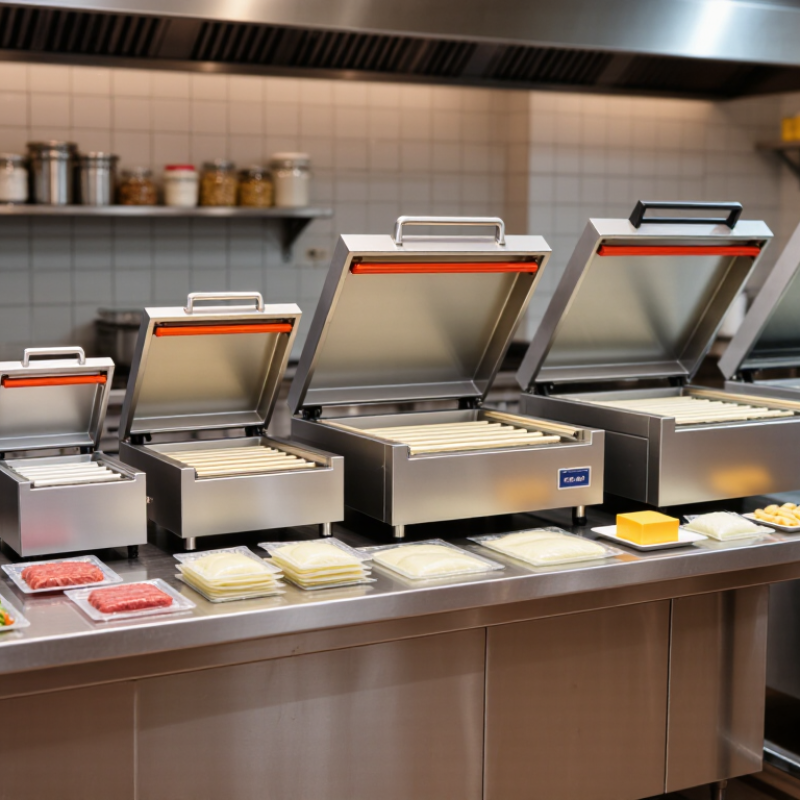
What Defines an Industrial Vacuum Sealer for Commercial Use
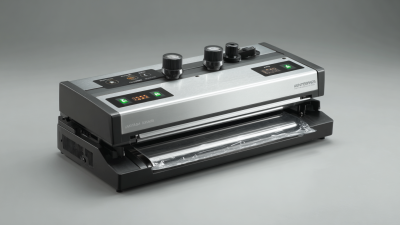
An industrial vacuum sealer is built for repeated work, not occasional kitchen use. Its pump must remove air consistently across long production runs, while a durable sealing bar creates a reliable seal on each pouch. Look for adjustable vacuum and sealing times, a chamber sized for your typical products, and controls that staff can learn without guesswork. Stainless steel construction can help withstand frequent cleaning, though joints and corners still need attention. Capacity matters. A large chamber is not useful if it slows your workflow or wastes floor space.
Tips: Match the machine to your daily volume and pouch material. Test seals with your actual products, especially moist or irregular items. Check whether the unit provides clear maintenance instructions and accessible replacement parts. A weak seal can spoil a whole batch. Keep a simple log of settings, seal checks, and cleaning; small inconsistencies are easy to miss during a busy shift.
“Industrial” does not guarantee suitability for every operation. Compare cycle time, pump performance, chamber dimensions, and service requirements against your real production needs. Ask operators to test the controls before purchase. They notice awkward lids and hard-to-clean edges quickly. One detail can be overlooked: frequent sealing may heat the bar, so allow for the manufacturer’s recommended cooling intervals. Also verify that the machine’s electrical requirements fit your workspace.
Comparison of common commercial machine configurations. Capacity, chamber dimensions, pump flow, and cycle time vary by model, product, packaging material, and operating conditions; confirm specifications with the equipment supplier.
| Machine Type | Typical Commercial Use | Typical Configuration | Key Advantages | What to Check Before Buying |
|---|---|---|---|---|
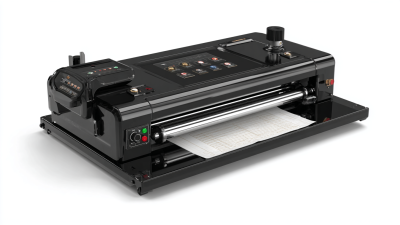
| 1. Countertop Chamber Sealer | Restaurants, small food producers, butcher shops, and test kitchens | Compact chamber with a single sealing bar; commonly uses a chamber vacuum pump and smooth, non-embossed vacuum pouches | Consistent chamber vacuum; suitable for liquids and moist foods when correctly operated; modest footprint | Usable chamber dimensions, maximum bag width, sealing-bar length, pump service requirements, and daily-duty rating |
| 2. Floor-Standing Single-Chamber Sealer | Food processing rooms, catering operations, and medium-volume packaging lines | Larger chamber and work surface than countertop units; typically fitted with a higher-capacity pump and one or more sealing bars | Handles larger bags and heavier products; can support regular production while keeping a straightforward loading workflow | Chamber clearance, bar layout, pump capacity, electrical supply, cycle time, and cleaning access |
| 3. Double-Chamber Sealer | High-throughput meat, seafood, cheese, and prepared-food production | Two alternating chambers or work positions; one load can be prepared while the other is under vacuum and sealing | Reduces loading downtime and supports higher operator throughput than a comparable single-chamber workflow | Output per hour for the intended product, operator staffing, chamber dimensions, pump configuration, and floor space |
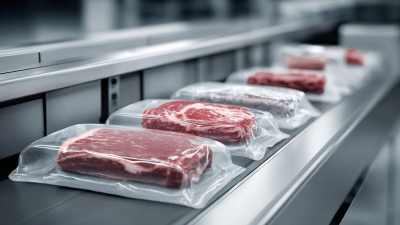
| 4. Belt-Feed Chamber Sealer | Continuous or high-volume packaging of bagged food products | Conveyor advances products through a chamber or vacuum-sealing station; configurations may include automatic bag handling | Designed for repeatable production flow and reduced manual loading at suitable production volumes | Conveyor speed, allowable product size and weight, line integration, washdown needs, and actual tested output |
| 5. Thermoforming Vacuum Packaging Machine | Large food plants packaging products in formed trays or flexible packs | Forms a bottom web, loads product, evacuates and seals the pack with a top web; generally integrated into a production line | Automates forming, filling, and sealing; can produce consistent pack formats at industrial scale | Tooling and format-change costs, film compatibility, line speed, product loading method, and sanitation requirements |
| 6. External Nozzle Vacuum Sealer | Packaging bulky or unusually shaped dry goods and products in suitable barrier bags | A nozzle evacuates air from the bag exterior to the product; typically uses textured or otherwise compatible bags, depending on design | Can accommodate items too large for a chamber; often useful where product dimensions vary | Bag requirements, liquid or powder limitations, nozzle cleaning, seal integrity, and suitability for the product’s moisture level |
| 7. Rotary Vacuum Chamber Sealer | Industrial lines requiring repeated, automated chamber vacuum cycles | Rotating or indexed chamber arrangement moves products through successive loading and vacuum-sealing positions | Supports continuous production workflows and can reduce idle time between cycles | Validated line output, chamber and bag format, automation interfaces, maintenance access, and operator safety features |
| Evaluation Dimension | Commercial Significance |
|---|---|
| Duty cycle and production output | The machine should be rated for the expected operating schedule. Compare tested cycles or packs per hour using products and bags similar to those in your operation. |
| Vacuum system | Pump type, capacity, maintenance needs, and the vacuum level achievable under working conditions affect cycle performance and suitability for the application. |
| Sealing performance | Adjustable sealing time and temperature, suitable bar length, and consistent seal quality help accommodate the chosen bag material and product. |
| Construction and sanitation | Food-contact areas, smooth cleanable surfaces, drainage where appropriate, and access for routine cleaning are important in food-processing environments. |
| Electrical and facility fit | Confirm voltage, phase, power draw, compressed-air requirements if applicable, footprint, clearance, and compatibility with the production room. |
| Serviceability and safety | Check availability of wear parts, local technical support, safety interlocks, operator training, and the recommended preventive-maintenance schedule. |
Selection note: A chamber machine is generally suited to liquids and moist products when the packaging process is correctly set up; external nozzle systems may be better for oversized dry products. Always verify bag compatibility, food-safety procedures, and application-specific performance with the equipment supplier.