Discover the Benefits of Vacuum Shrink Bags for Global Shipping?
In the world of global shipping, efficiency and reliability are essential. Vacuum Shrink Bags have emerged as a transformative solution for businesses seeking to optimize their shipping processes. These innovative bags assist in reducing shipping costs by minimizing package volume. They securely encase products, providing protection and extending shelf life, which is especially vital for perishable items.
Using Vacuum Shrink Bags can significantly mitigate the risks of damage during transit. Their tight seal keeps moisture and air out, ensuring products arrive in pristine condition. Moreover, they are lightweight, allowing companies to ship more without incurring additional costs. However, not all products are suitable for vacuum sealing, and this requires careful consideration.
Understanding the limitations of Vacuum Shrink Bags is crucial. While they offer numerous benefits, some products may not fit well in a vacuum-sealed environment. Businesses should assess their unique needs and products before fully committing. With thoughtful application, Vacuum Shrink Bags can enhance shipping strategies and improve overall logistics efficiency.
Benefits of Vacuum Shrink Bags in Global Shipping
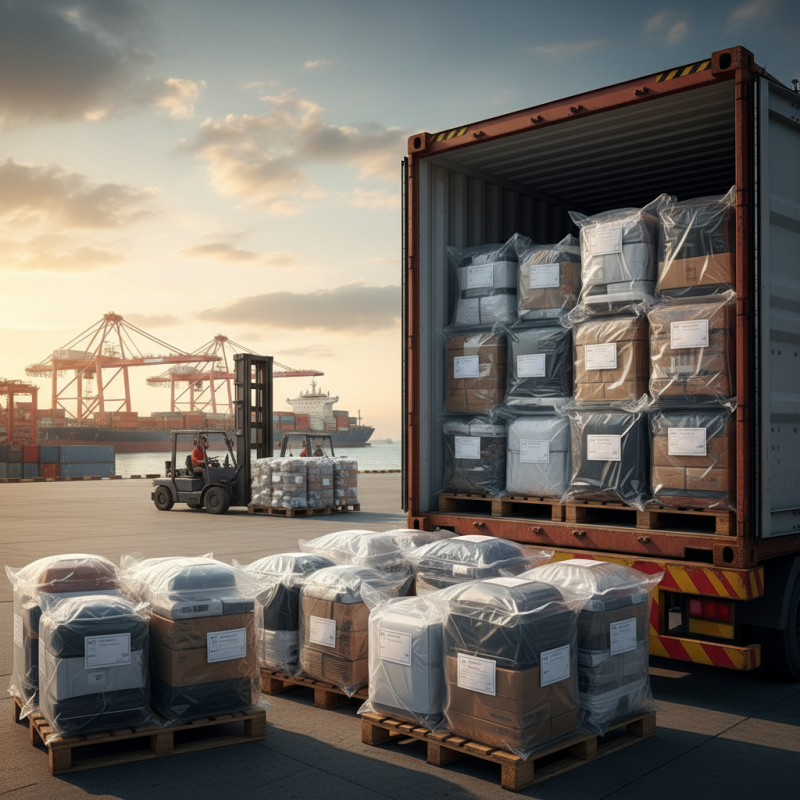
Vacuum shrink bags offer significant benefits for global shipping, enhancing protection and efficiency. According to industry reports, using these bags can reduce shipping costs by up to 30%. This is mainly due to their compact size, which allows for higher stacking on pallets. With tighter packaging, businesses can optimize space and minimize wasted logistics resources.
Moreover, vacuum shrink bags provide exceptional durability. They are designed to resist moisture, dust, and harmful UV rays, which helps preserve the quality of the products during transit. A study showed that 20% of products are damaged in shipping due to inadequate packaging. The resilience of vacuum shrink bags can significantly lower this risk, ensuring that goods arrive in optimal condition.
However, some challenges remain. The initial investment in vacuum shrink technology can be daunting for smaller businesses. Not all products are suitable for shrink wrapping, which requires careful assessment. Understanding the product's compatibility with shrink bags is crucial to avoid potential waste. Overall, while vacuum shrink bags offer undeniable advantages, companies must proceed with a thoughtful approach.
Understanding the Mechanics of Vacuum Shrink Bags
Vacuum shrink bags are gaining popularity in global shipping. Their design uses vacuum technology to compress items and eliminate excess air. This process not only reduces the size of the packaging but also protects the contents during transit. The strength of these bags lies in their ability to conform tightly to the shape of the products inside.
The mechanics of vacuum shrink bags are relatively simple yet effective. When the air is removed, the bag shrinks around the item, providing a snug fit. This minimizes movement and prevents damage. It's fascinating how such a compact solution can enhance durability. However, not all materials are suitable for vacuum sealing. Some might lose integrity or become brittle. Understanding the right materials for different products is crucial in this process.
While vacuum sealing offers numerous advantages, challenges remain. Issues can arise with heat sealing and bag durability. Additionally, improper sealing can lead to air pockets, decreasing the effectiveness of the bag. It’s vital to monitor and adjust techniques based on product types. Continually refining processes enhances efficiency and user experience.
Cost-Effectiveness of Using Vacuum Shrink Bags
Vacuum shrink bags offer an appealing solution for global shipping costs. They minimize the size of packages, which can lead to substantial savings. With reduced dimensions, shipping companies can charge lower fees. This strategy benefits businesses aiming to optimize their logistics budget.
Using vacuum shrink bags can also reduce material costs. Unlike traditional packaging, these bags are lightweight yet durable. Products can be bundled tighter, leading to less wasted space. This approach is particularly useful when shipping bulk items or fragile goods. Vendors find that they can send more products at once without increasing transportation costs.
However, there are challenges to consider. Not all items are suitable for vacuum sealing. Perishable goods may require extra measures to ensure freshness. Additionally, the sealing process can require specialized equipment. Companies must weigh these factors against the benefits. Effective training on proper usage is necessary to avoid packaging failures.
Discover the Benefits of Vacuum Shrink Bags for Global Shipping
Vacuum shrink bags offer various advantages for global shipping, including cost savings, enhanced space efficiency, reduced product damage during transit, and a smaller carbon footprint. This chart illustrates the percentage benefits gained by using vacuum shrink bags in shipping operations.
Environmental Impact of Vacuum Shrink Bags in Shipping
Vacuum shrink bags have gained popularity in global shipping due to their practical benefits and environmental implications. These bags reduce package size, which leads to lower shipping costs. However, their environmental impact is a crucial consideration. Made from plastic, they can contribute to waste if not disposed of properly.
Using vacuum shrink bags can significantly minimize carbon footprints. They allow for more efficient packing, reducing the number of shipments needed. However, awareness around waste management is essential. To mitigate potential harm, consider using recyclable materials whenever possible.
Tips for sustainable use of vacuum shrink bags include checking local recycling options. Always look for recycling symbols on the bags. If your packaging provider offers sustainable choices, take advantage of them. Engage in conversation about eco-friendly practices with suppliers, ensuring you choose the most responsible options. It’s about making informed decisions and pushing for accountability in the industry.
Best Practices for Implementing Vacuum Shrink Technology
Vacuum shrink technology has transformed global shipping. The process removes air, reducing package size and ensuring products remain secure. Proper implementation of this technology can lead to significant savings in freight costs. However, it's essential to understand the nuances to achieve the best results.
When using vacuum shrink bags, the quality of the materials is critical. Choose bags that resist punctures and tears. Improperly made bags could lead to damaged products. Moreover, the vacuum sealing process must be executed correctly. Inconsistent sealing can create weak points in the bag, leading to potential issues during transport. Training staff in this technology ensures better results.
Monitoring temperature and humidity during shipping also plays a crucial role. Extreme conditions can affect the performance of shrink bags. Regular assessments of storage and shipping environments can help. This proactive approach is vital for maintaining product integrity. There’s always a need for reflection on processes and methods. Continuous improvement is key to a successful global shipping strategy.
Discover the Benefits of Vacuum Shrink Bags for Global Shipping? - Best Practices for Implementing Vacuum Shrink Technology
| Dimension | Benefits | Application | Best Practices |
| Size Variety | Customizable for different products | Food, Electronics, Textiles | Select appropriate sizes for products |
| Material Quality | Durable and puncture-resistant | Shipping fragile items | Use high-quality materials for critical items |
| Space Efficiency | Reduces shipping costs and storage needs | E-commerce delivery | Optimize packaging for maximized space |
| Environmental Impact | Can use recyclable materials | Sustainable shipping options | Choose eco-friendly materials |
| Temperature Control | Protects products from temperature fluctuations | Perishable goods | Use insulated packaging where necessary |