

Choosing a leaf extraction machine in 2026 is less about buying the biggest unit and more about matching equipment to the feedstock. Fresh mint, dried tea leaves, aloe, and other botanicals vary in moisture, fiber, and heat sensitivity. These differences influence throughput, extraction yield, cleaning time, and batch consistency. A small drain valve can become a production bottleneck. So can a vessel that is difficult to clean.
Market figures offer context, not a purchasing forecast. Grand View Research estimated the global botanical extracts market at approximately USD 6.1 billion in 2023 and projected a 9.1% compound annual growth rate from 2024 to 2030. That report covers botanical extracts, not extraction machines. Still, its outlook points to a growing market where reliable processing can matter. Not a guarantee.
This guide compares machine types, capacity, temperature control, materials, cleaning access, and service support. Buyers should check whether quoted capacity refers to wet or dry leaves, and ask for test results using their own feedstock. Request details on extraction time, energy use, and recovery rates. Compare those figures under similar operating conditions. No machine wins everywhere. Vendor claims can be useful, but they need context; a polished brochure cannot replace a practical trial. The right Leaf Extraction system is the one that meets product specifications consistently, fits the actual workflow, and can be maintained without guesswork.
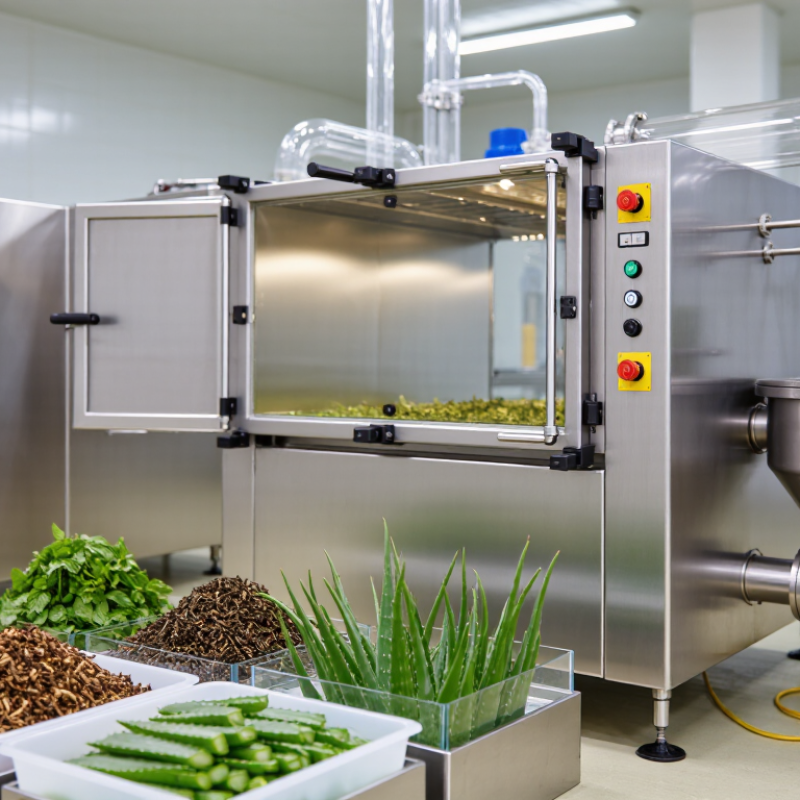
2026 Best Leaf Extraction Machines for Buyers
Leaf extraction machines should be selected around the feedstock, not just advertised capacity. Fresh leaves carry more moisture and may form dense, uneven masses; dried leaves can be brittle and create fine particles. Both affect feeding, filtration, and cleaning. Small details matter. Check how the machine handles stems, variable leaf sizes, and daily changes in material. A sample run with your own leaves can reveal problems that a specification sheet misses.
The target compounds define the process scope. Aromatic oils, pigments such as chlorophyll, and water-soluble polyphenols need different extraction conditions. A system designed for gentle, food-grade processing may suit beverage or botanical ingredient work, while other applications may require tighter temperature control and more precise separation. Confirm that the equipment supports the intended solvent, operating temperature, and downstream filtration. A machine can look efficient on paper and still struggle with sticky residue or slow drainage. That is worth checking early. Buyers should also consider batch size, clean-in-place options, material-contact surfaces, and how consistently the system records operating conditions. There is no perfect setup; the right choice depends on the leaves and the compounds you actually need.
| Extraction Process | Typical Leaf Feedstock | Target Compounds | Typical Equipment Configuration | Feed Preparation | Process Scope and Buyer Considerations |
|---|---|---|---|---|---|
| Steam distillation | Eucalyptus, peppermint, rosemary, and other aromatic leaves | Volatile essential-oil constituents, including terpenes and related aroma compounds | Steam generator, plant-material vessel, condenser, and oil-water separator | Leaves are commonly cut or loosely packed; moisture condition and packing density affect steam flow. | Best suited to volatile oils that can be carried by steam. The condensed distillate separates into an oil phase and an aqueous phase. Heat-sensitive or nonvolatile compounds are not the main target. |
| Hydrodistillation | Aromatic leaves, such as peppermint or rosemary | Volatile essential oils | Heated extraction vessel with water, condenser, and oil-water separator | Leaves are loaded into water or held above it, depending on the still design. | A straightforward batch option for essential-oil production. Direct contact with boiling water may affect the aroma profile of some materials; confirm the intended product specification before selecting the still. |
| Food-grade ethanol extraction | Dried tea leaves, medicinal or aromatic leaves, and other dried botanical foliage | Polar and moderately nonpolar compounds, which may include polyphenols, pigments, and other soluble plant constituents | Agitated or percolation extractor, solvent storage and transfer equipment, solid-liquid separator, and solvent-recovery evaporator | Drying and size reduction can improve consistency; avoid excessive milling if filtration or clarification is important. | Extract composition depends on ethanol concentration, temperature, contact time, and the plant material. Ethanol recovery, ventilation, and equipment suitable for flammable-solvent service are key design considerations. |
| Hot-water extraction | Green tea, black tea, and other dried leaves intended for water-soluble extracts | Water-soluble constituents, including catechins in green tea and other soluble polyphenols | Jacketed batch tank or continuous extractor, mixing system, filtration or centrifugation, and optional concentration equipment | Use a controlled particle size and water-to-leaf ratio; fine particles may increase the filtration load. | Uses water as the extraction medium and is commonly suited to beverage or aqueous-extract applications. Temperature and extraction time influence flavor and composition; downstream concentration may be needed. |
| Supercritical carbon dioxide extraction | Dried aromatic leaves and other botanical foliage containing target lipophilic constituents | Nonpolar and relatively lipophilic compounds, including essential-oil components and waxes | High-pressure CO₂ pump, extraction vessel, separator vessels, heat exchangers, and CO₂ recycle system | Feed is generally dried and size-reduced to support even packing and predictable flow. | CO₂ is nonflammable and can be separated from the extract by reducing pressure. Pressure and temperature affect selectivity; high-pressure vessels require appropriate safeguards and trained operation. Polar compounds may require a co-solvent, subject to the intended application and regulations. |
| Ultrasound-assisted solvent extraction | Tea leaves and dried medicinal or aromatic leaves | Solvent-soluble constituents such as polyphenols and other botanical compounds | Ultrasonic bath or probe reactor paired with a solvent tank, solid-liquid separation, and optional solvent recovery | Consistent particle size and adequate wetting help maintain repeatable extraction conditions. | Ultrasound can improve mass transfer in some solvent systems, but performance depends on vessel geometry, power delivery, temperature, and feedstock. It is an extraction aid rather than a universal replacement for separation and recovery equipment. |
| Pressurized hot-water extraction | Dried tea leaves and selected botanical leaf materials | Water-extractable compounds, including certain polyphenols | Pressure-rated extraction vessel, controlled heating and pumping, cooling, and solid-liquid separation | Drying and controlled grinding support repeatable bed loading and water flow. | Elevated temperature and pressure keep water liquid during extraction. The method requires pressure-rated equipment; operating conditions should be selected for the target extract and validated against product-quality requirements. |
Selection note: Match the machine to the target compound, feedstock moisture and particle size, intended product, throughput, and local safety requirements. Extraction yield and composition vary with plant variety, harvest conditions, storage, and operating parameters; pilot testing is advisable before specifying production capacity.