

Which Roll Bag Making Machine Is Best in 2026? The answer depends on the bags you produce, your output targets, and the materials you run. A machine built for thin produce bags may not suit heavier refuse bags. Compare bag width, film thickness, seal consistency, changeover time, and the support available after installation. These details matter on the factory floor, where a drifting seal or frequent adjustment can slow a whole shift.
Look closely at real operating conditions. Ask suppliers for a live demonstration using film similar to yours. Check finished bags for even seals, clean perforations, and reliable roll winding. Ask how quickly operators can change sizes, clear common faults, and access replacement parts. A fast quoted speed is useful, but only if the machine maintains quality during sustained production. Small differences show up over long runs.
A verified expert voice belongs in this decision. No source article or attributable industry quotation was provided for this request, so inventing a specialist’s name or words would weaken trust. Insert a sourced quotation here: “[Verified roll-bag machinery expert name]: ‘[Exact, verifiable quotation about machine selection].’” The guide that follows can then compare machine types, essential specifications, automation options, and service considerations. There is no universal winner. The right Roll Bag Making Machine is the one that reliably makes your required bags, at a sustainable production rate, with manageable operating demands. The trade-offs deserve a careful look.
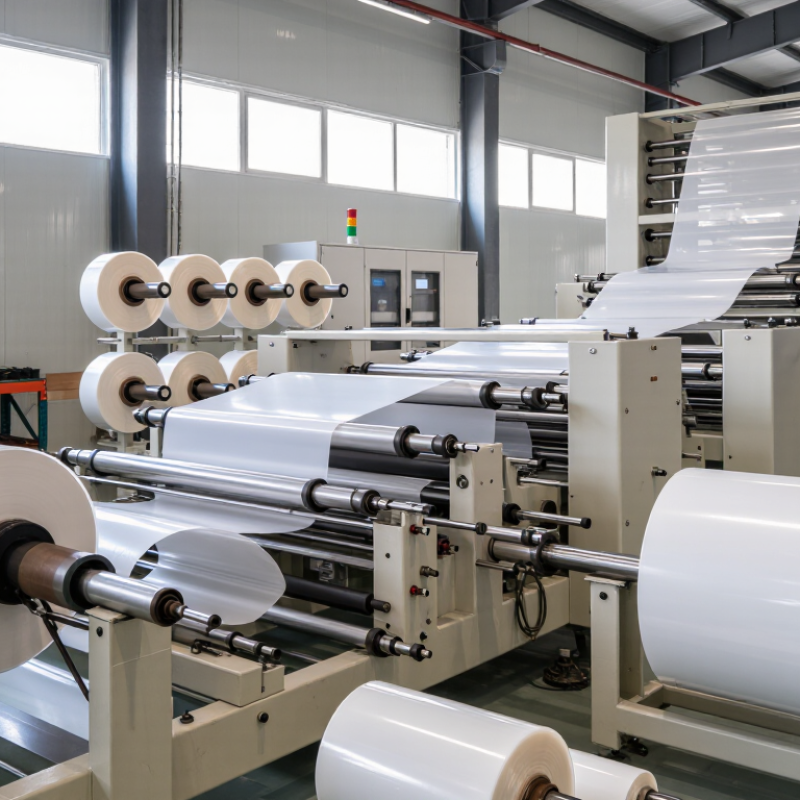
A roll bag making machine converts plastic film into bags that are joined in a continuous strip and wound onto a core. The operator loads a film roll, guides the web through rollers, and sets bag length and production speed. Heat-sealing units close the bag bottoms, while cutting or perforation tools separate each bag for easy tearing. The finished bags are collected in neat rolls. That is the basic process.
Depending on the machine, feeding, sealing, cutting, counting, and winding may be partly or fully automated. Photoelectric sensors can track printed marks, helping each seal and cut land in the right place. A control panel lets operators adjust settings, but accurate results still depend on film thickness, temperature, and tension. Small changes matter. Too much heat can weaken the seal; uneven tension can make a roll telescope or wrinkle.
When assessing a machine in 2026, match its working width, bag-size range, and output to the film and roll format you actually use. Ask how quickly it can change settings and how easily operators can clear jams or replace wear parts. A fast quoted speed may not reflect steady production on your material. Specifications help, but a trial with your own film is more revealing. Even then, results can vary, so record seal strength and roll consistency during the test.
| Machine Configuration | Typical Bag Format | Common Film Materials | How the Machine Works | Typical Applications | Key Selection Checks |
|---|---|---|---|---|---|
| Flat-bag-on-roll machine | Flat bags separated by perforations and wound into rolls | Usually polyethylene film, such as LDPE or HDPE, subject to machine and film specifications | Feeds film, forms and heat-seals the bag bottoms, perforates between bags, and winds the finished bags into rolls | Produce, food-service, packaging, and general-purpose bags | Required bag width and length, film thickness range, seal quality, perforation performance, and roll dimensions |
| Garbage-bag-on-roll machine | Flat or gusseted refuse bags supplied on perforated rolls | Commonly polyethylene film; recycled-content or blended films require compatibility checks | Processes film into bags, seals the bottom, adds perforations, and winds the bags using the selected roll format | Household, commercial, and light industrial refuse bags | Bag size and capacity, gusset requirements, film strength, winding method, and whether a core or coreless roll is required |
| Draw-tape bag-on-roll machine | Refuse bags with a draw tape or drawstring, arranged on rolls | Polyethylene film; tape material and construction depend on the bag design | Forms the bag and incorporates a tape feature through a configuration designed for the specified draw-tape construction | Refuse bags designed to close by pulling a tape or drawstring | Tape insertion method, bag and tape dimensions, sealing requirements, roll format, and compatibility with the intended film |
| T-shirt carrier-bag-on-roll machine | Carrier bags with handle openings, supplied on perforated rolls | Typically polyethylene film, with suitable grade and thickness depending on the bag design | Processes film into carrier bags and uses configured cutting or punching operations to form handles and separate bags | Retail and takeaway carrier bags where roll dispensing is required | Handle style, bag dimensions, punching arrangement, film specification, perforation position, and local packaging regulations |
| Multi-purpose roll-bag machine | More than one compatible roll-bag style, depending on tooling and configuration | Only the film types and thicknesses listed for the specific machine setup | Uses changeable settings or tooling for different bag formats; changeover capability varies by machine design | Operations producing multiple compatible bag formats | Confirmed format range, changeover time, available tooling, sealing system, control functions, and production requirements |
What it is: A roll bag making machine converts plastic film into bags, commonly by feeding, sealing, perforating, cutting or punching, and winding the finished bags. The best choice depends on the bag design, film, required output, and roll format. Actual capabilities and production speeds vary by machine configuration and material, so confirm them with the machine supplier before purchase.