

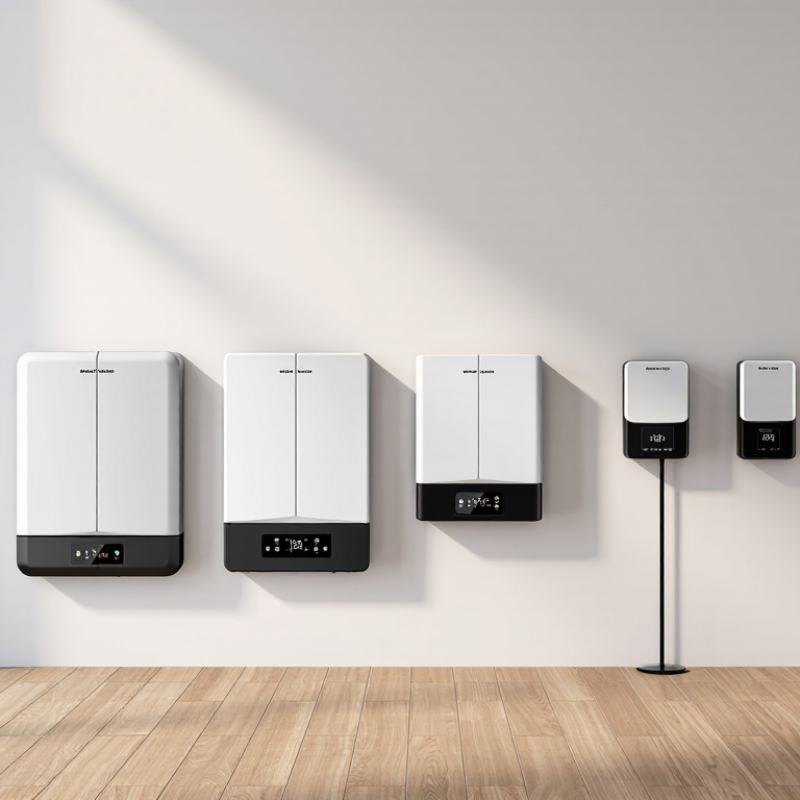
When comparing wall-mounted home batteries, look beyond the headline capacity. Usable capacity shows how much energy appliances can actually draw. Power rating matters too: a battery may store plenty but struggle to start a pump or run several appliances together. Check continuous and peak output, backup circuit limits, solar compatibility, expansion options, and warranty terms. A compact unit beside the breaker panel can save floor space, but heat, clearance, and installer access still matter. Small details count.
Efficiency affects how much stored energy returns to your home. NREL’s 2024 Annual Technology Baseline uses 85% round-trip efficiency for modeled lithium-ion storage systems; treat this as a benchmark, not a promise for every residential product. Ask for tested figures at realistic temperatures. Also compare warranty throughput and retained capacity, not just years. I still find warranty language easy to misread.
Tips: List the loads you need during an outage, such as a fridge, lights, and internet router. Ask an installer to estimate their combined running and startup power. Then compare usable kilowatt-hours and output ratings against that list. Check the system’s safety certification and whether its monitoring app reports charge, discharge, and faults clearly. A neat wall mount is useful. Clear service access matters too.