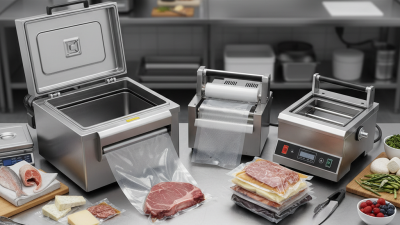
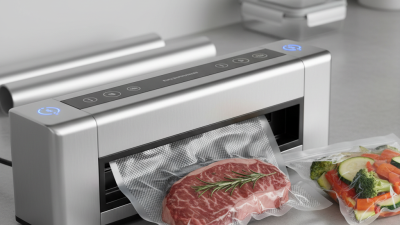
How to Choose the Best Chamber Vacuum Sealer for Your Needs?
Choosing the right chamber vacuum sealer is crucial for maximizing food preservation and storage efficiency. With the global vacuum packaging market projected to reach $36.3 billion by 2025, the demand for high-quality chamber vacuum sealers has never been higher. Reports indicate that these devices effectively extend the shelf life of food by up to five times compared to regular storage methods.
When selecting a chamber vacuum sealer, consider factors like capacity, sealing performance, and features. Industry experts highlight that sealers with double-seal capabilities provide better protection against air infiltration. Additionally, the best models integrate user-friendly controls and durability. However, potential buyers often overlook the importance of maintenance and operational costs. Investing in a reliable chamber vacuum sealer can be substantial upfront, but long-term benefits often justify the cost.
Evaluating your needs against market options can seem overwhelming. Be mindful that not every product on the market delivers consistent results. Research illustrates that quality varies significantly among brands. It’s wise to consult user reviews and comparisons to uncover the best alternatives for your specific requirements. Ultimately, understanding these dynamics will empower you to make an informed purchase, ensuring your chamber vacuum sealer meets both your expectations and needs.
Understanding Chamber Vacuum Sealers and Their Benefits
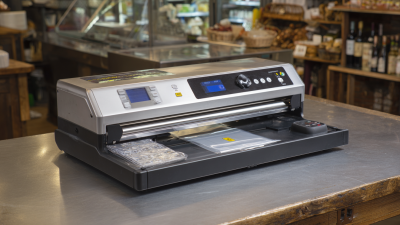
Chamber vacuum sealers have gained popularity for good reasons. These machines create a vacuum environment, enhancing food preservation. By removing air and sealing food in a bag, they help prevent spoilage and freezer burn. This technology is particularly beneficial for large quantities of food or liquids. The sealing process retains freshness, flavor, and nutritional value.
Choosing a chamber vacuum sealer requires understanding its benefits. These sealers are more effective than traditional vacuum machines, making them ideal for sous-vide cooking. They can handle a variety of food types, including liquids and fragile items. You might enjoy the ease of sealing moist foods without worries. However, they often come with a higher upfront cost and a larger footprint in your kitchen.
One should consider their specific needs. Do you often store large cuts of meat or homemade sauces? If so, a chamber vacuum sealer can significantly improve your food storage. Yet, if your needs are minimal, a simpler method might suffice. Balancing functionality and budget is essential. Investing in a robust machine might mean facing the challenge of finding suitable space for it.
How to Choose the Best Chamber Vacuum Sealer for Your Needs?
| Feature |
Description |
Benefits |
| Vacuum Power |
Measured in inches of mercury (Hg); indicates the strength of the vacuum. |
A stronger vacuum helps remove more air, which improves preservation. |
| Chamber Size |
Interior dimensions of the chamber where the bags are placed. |
Larger chambers allow for sealing bulk items or multiple bags at once. |
| Seal Settings |
Variety of seal options including manual and automatic. |
Customizable settings allow for different types of bags and items. |
| Material Compatibility |
Compatibility with various bag materials like poly, mylar, etc. |
Wide compatibility increases versatility for different applications. |
| Noise Level |
Measured in decibels (dB); indicates how noisy the machine is during operation. |
A quieter operation is preferable in home use environments. |
| Price Range |
Cost of the vacuum sealer, generally ranging from budget to high-end models. |
Choosing a model within budget that meets specific needs. |
Key Features to Consider When Choosing a Chamber Vacuum Sealer
When selecting a chamber vacuum sealer, several key features warrant careful consideration. The first important aspect is the sealing capacity. Data indicates that a chamber vacuum sealer is superior for bulk sealing compared to traditional systems. If you frequently handle larger quantities of food, opt for models with a spacious chamber. This can significantly streamline your packing process, especially for marinating meats or storing soups.
Another crucial feature is the vacuum pressure. Research shows that the optimal vacuum pressure is essential for preserving the freshness of vacuum-sealed items. A vacuum pressure of 25 inches of mercury achieves better results than lower pressures. Models that offer adjustable vacuum settings provide flexibility. It allows you to handle delicate items like fresh berries without crushing them.
Durability and ease of use are also critical. Chamber vacuum sealers typically feature stainless steel bodies, ensuring they withstand heavy use. While more robust models may carry a higher price, their longevity often justifies the investment. A user-friendly interface helps prevent errors during operation, making it easier for anyone to seal food efficiently. Remember, a complex machine might require more time to master, potentially leading to frustration, especially for beginners.
Comparing Different Models: Price, Size, and Functionality
When selecting a chamber vacuum sealer, three factors stand out: price, size, and functionality.
Industry reports indicate that mid-range models can cost between $400 and $800, while high-end options may exceed $1,500.
The price often correlates with efficiency and durability. More expensive models are typically better suited for high-volume users,
like restaurants or food manufacturers, whereas smaller units suffice for home kitchens.
Size is another critical consideration. Larger models can accommodate bulky items but may not fit comfortably in a home kitchen.
In practicality, smaller units often face limitations with larger bags or items. A 2021 study revealed that 70% of household users
prefer compact designs, which can still provide powerful suction without taking up too much counter space.
Functionality varies widely among models. Features like adjustable pressure and seal time can enhance usability.
Users often express frustration with models that lack user-friendly interfaces or clear instructions. A survey highlighted that
nearly 40% of consumers wish for more intuitive designs. As with any culinary tool, the right choice depends on individual
needs and preferences, making thorough research essential before purchasing.
Evaluating User Needs and Usage Scenarios for Optimal Selection
When choosing a chamber vacuum sealer, it’s important to understand your specific needs and usage scenarios. Consider how frequently you plan to use the machine. If you’re sealing items daily, a more robust model would be beneficial. For occasional use, a basic model may suffice. Think about the types of food or items you'll be sealing. Liquid-rich foods, like soups, require a vacuum sealer designed to handle liquids without spills.
It's also wise to evaluate your available space. Chamber vacuum sealers tend to be bulkier than other types. If kitchen counter space is limited, look for compact options. Reflect on features, such as adjustable sealing times. Different materials may require different settings for optimal results. Some users may overlook this aspect, leading to inefficiency in sealing.
User feedback can be a valuable resource. Reviews from other users often highlight unexpected benefits or shortcomings. Engage with online communities or forums for insights. These discussions can reveal common challenges faced by users, helping you to avoid potential pitfalls. Ultimately, aligning your choice with real-life applications will ensure that you select the right chamber vacuum sealer for your unique situation.
Maintenance and Care Tips for Your Chamber Vacuum Sealer
Proper maintenance of your chamber vacuum sealer is crucial for prolonging its lifespan and ensuring optimal performance. Research indicates that regular cleaning and inspection can enhance the machine's efficiency by up to 30%.
After each use, it’s essential to clean the vacuum chamber and sealing bars. Wipe down surfaces with a mild detergent and a soft cloth. This prevents food residue buildup, which can lead to malfunctions over time.
Additionally, checking the gaskets and seals for any wear or tear is vital. According to industry reports, faulty seals can compromise vacuum efficiency, resulting in product spoilage. Regularly replacing these components can save up to 25% in replacement costs, ensuring your investment lasts longer.
It’s also beneficial to calibrate the machine's settings periodically, as environmental factors like humidity can affect vacuum performance. Neglecting these practices can result in inconsistent sealing and potential waste of food products.
Understanding the importance of these maintenance actions will help you make informed decisions. By staying proactive, not only can you maximize your sealer's effectiveness, but you can also enhance the quality of your preserved items. The choice to maintain your equipment directly influences its reliability and the quality of results you achieve.