How to Choose the Best Commercial Vacuum Sealer for Your Business Needs
In today’s competitive business landscape, the efficiency and effectiveness of food preservation techniques can significantly influence a company’s bottom line. A commercial vacuum sealer is an essential tool that not only extends the shelf life of products but also enhances storage capabilities, reduces waste, and improves overall product presentation. According to a report by IBISWorld, the vacuum packaging industry is projected to grow at an annual rate of 3.5% over the next five years, driven by increasing demand for convenience foods and the rising trend of meal prepping among consumers.

Selecting the right commercial vacuum sealer tailored to your business needs is crucial for maximizing these advantages. Factors such as sealing speed, chamber size, and the type of sealing mechanism play significant roles in determining which vacuum sealer will best suit your operational demands. The global market for vacuum sealers is on the rise, with a projected increase to $18 billion by 2026, as noted in the latest Market Research Future report. This growth underscores the importance for businesses to invest in high-quality, reliable equipment that aligns with their specific packaging needs, ensuring they remain competitive in a rapidly evolving market.
Understanding Your Business Requirements for a Vacuum Sealer
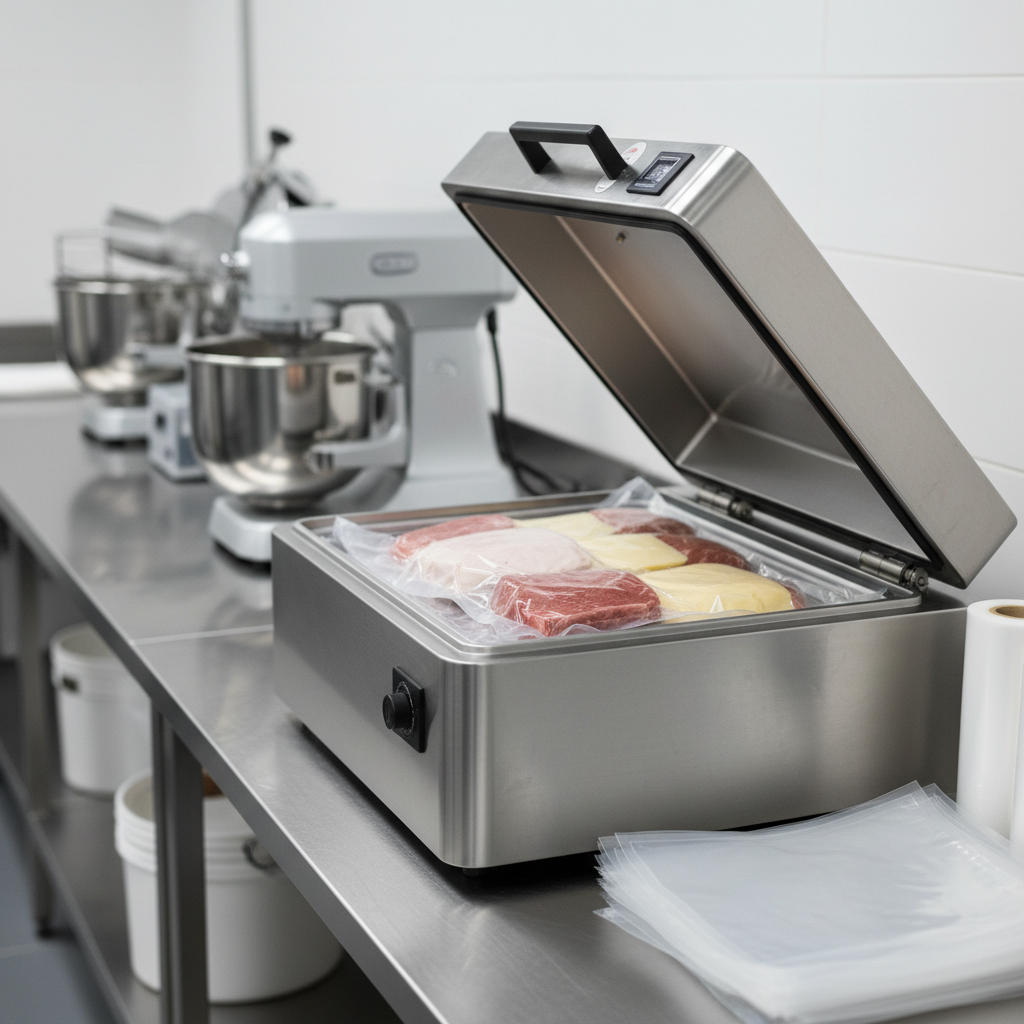
When selecting a commercial vacuum sealer for your business, it is crucial to first understand your specific requirements. According to the Food Processing Technology report, businesses in the food industry that utilize vacuum sealing often report a 20-30% increase in product shelf life, making it essential to choose a device that aligns with your preservation goals. For example, if your operations involve frequently sealing liquids or marinated foods, a chamber vacuum sealer is typically more effective, as it expels air while accommodating liquids without the risk of overflow.
Additionally, you need to consider the volume of production. The Global Vacuum Sealing Machine Market report estimates the market growth at a CAGR of over 5% from 2022 to 2027, underscoring the increasing demand for efficient sealing in various sectors. Businesses with high throughput may benefit from high-performance models that can handle continuous operation, minimizing downtime. In contrast, smaller operations might prioritize affordability and ease of use over heavy-duty capabilities, making it essential to balance your production needs with budgetary constraints when choosing the right vacuum sealer.
How to Choose the Best Commercial Vacuum Sealer for Your Business Needs
| Feature |
Importance Level |
Recommended Specification |
| Seal Type |
High |
Double Seal for enhanced durability |
| Pump Power |
High |
Minimum 20"/Hg vacuum pressure |
| Vacuum Chamber Size |
Medium |
At least 12" x 15" for versatile use |
| Portability |
Medium |
Lightweight design < 50 lbs |
| Durability |
High |
Stainless steel body construction |
| Ease of Use |
High |
One-touch operation features |
| Price Range |
Medium |
$500 - $2000 depending on features |
Key Features to Look for in a Commercial Vacuum Sealer
When selecting the best commercial vacuum sealer for your business, it’s essential to focus on key features that align with your operational needs. One of the primary considerations should be the sealing capacity. According to a report by IBISWorld, the vacuum packaging industry has seen a steady growth of around 4.5% annually, largely driven by increased demand from foodservice establishments. A higher sealing capacity allows businesses to process larger volumes, ensuring efficiency and reducing labor costs.
Another critical feature is the vacuum strength, which impacts the quality and longevity of the sealed products. Research indicates that vacuum sealers with a pressure of 27-29 inches of mercury provide superior sealing quality compared to lower-end models. Additionally, look for units equipped with customizable settings for varying bag sizes and sealing types. Flexibility in operation helps to accommodate diverse products, enhancing the versatility of your business setup. As per the Vacuum Sealer Market Report of 2023, businesses investing in advanced sealing technology have reported a 20% reduction in spoilage rates, showcasing the benefits of choosing a quality vacuum sealer.
Comparing Different Types of Vacuum Sealers for Various Applications
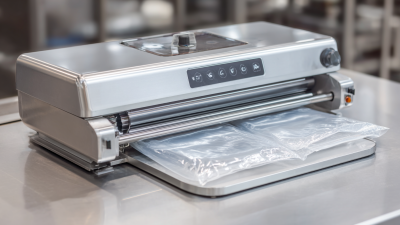
When selecting a vacuum sealer for your business, it's crucial to consider the specific requirements of your applications. Different types of vacuum sealers are designed to cater to varied operational needs, such as food preservation, packaging for shipping, or medical supplies. For instance, external vacuum sealers are generally more affordable and suitable for small-scale applications, making them ideal for restaurants or catering services that need to portion packs of food quickly and efficiently.

In contrast, chamber vacuum sealers are better suited for high-volume operations. These machines create a vacuum seal within a chamber, allowing them to remove air from larger bags and liquids without the risk of damaging the contents. This type of sealer is commonly used in commercial kitchens, where preserving food quality during storage is paramount. Additionally, there are specialized vacuum sealers for other industries, such as retail packaging and industrial applications, which offer unique features like customizable settings and enhanced durability. Understanding these variations will help you make a more informed decision tailored to your business's specific needs.
Evaluating Brand Reputation and Customer Support in the Market
When selecting a vacuum sealer for your business, evaluating brand reputation and customer support is crucial. A reliable brand often indicates product quality and effectiveness, which can significantly affect your operational efficiency. Research customer reviews and testimonials to gauge real-world experiences with a brand’s vacuum sealers. Look for brands that consistently receive positive feedback regarding their products' durability and performance; this can provide insight into the reliability you can expect.
Tips for evaluating brand reputation include checking for industry awards or certifications, as these can highlight a company's commitment to quality and innovation. Additionally, assess the level of customer support offered by the brand. Brands that provide extensive support resources—such as user manuals, troubleshooting guides, and responsive customer service—can enhance your experience and assist in resolving any issues quickly.
Moreover, consider the longevity and reliability of the brand. Established brands typically have a proven track record, which can offer peace of mind. Young or emerging brands might offer innovative features but may lack the support and reliability of their more seasoned counterparts. Therefore, take the time to analyze both the reputation and the support structures around potential vacuum sealers before making your final choice.
Cost-Effectiveness: Budgeting for Your Commercial Vacuum Sealer Needs
When selecting a commercial vacuum sealer, budgeting is a critical factor that can significantly impact your business's bottom line.
According to a 2022 report by IBISWorld, the vacuum sealing industry has seen a steady growth rate of approximately
3.4% annually, driven by the rising demand for food preservation and packaging solutions. However, the initial investment in a quality vacuum sealer can range
from $500 to $5,000, depending on the machine's capabilities. This cost must align with your business scale and expected return on investment.
Cost-effectiveness not only pertains to purchasing the sealer itself but also includes operational expenses, such as maintenance, consumables, and energy costs.
A study published by Packaging Strategies indicates that businesses can reduce food waste by up to
70% with effective vacuum sealing, leading to substantial savings in the long run. When assessing models, consider features like
automation, speed, and size, as these will influence both
the upfront cost and the long-term efficiency of your operations. Investing wisely in a vacuum sealer that fits your budget and operational needs can ultimately enhance
profitability and sustainability for your business.