

Choosing a Gelatin Factory Supplier is more than comparing prices on a quotation sheet. The supplier’s process can affect bloom strength, viscosity, color, odor, and how reliably each batch performs in a finished product. Grand View Research estimated the global gelatin market at USD 4.6 billion in 2023 and projected continued growth through 2030. That expansion brings opportunity, but it also makes supplier verification more important. A larger market does not guarantee consistent quality.
David J. Schrieber and Herbert Gareis, authors of Gelatine Handbook: Theory and Industrial Practice, describe gelatin quality as closely tied to raw materials and manufacturing controls. That is a useful lens when assessing a factory: ask how it tracks incoming materials, manages temperature and drying, and checks each batch against agreed specifications. Request recent certificates of analysis, traceability details, and samples from more than one production lot. Look closely. A neat sample is not proof of steady production.
Practical experience matters, too. A dependable supplier should explain what happens when a batch falls outside specification, rather than offering vague assurances. Check whether its technical team can discuss application needs, such as capsule production, confectionery, or food processing. Then test the material under your own conditions. Small differences can matter.
No supplier is flawless. Even a strong audit can miss a weak point, and buyers should keep reviewing performance. A reliable Gelatin Factory Supplier earns confidence through documented controls, clear communication, and consistent results—not polished promises alone.
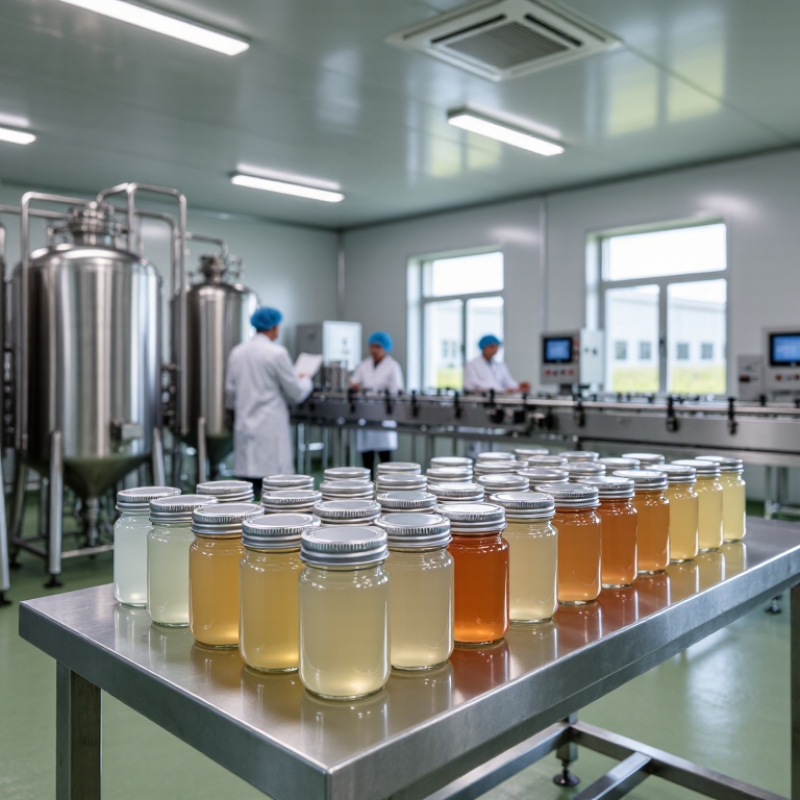
Gelatin is a protein made by processing collagen, which is found in animal connective tissues such as skin and bones. It can form a gel when mixed with water and cooled, or add body to soups, desserts, and capsules. The finished powder may look simple. Its behavior depends on how it was made.
Production starts with cleaned raw materials. They are treated with acid or alkaline solutions to prepare the collagen for extraction. The choice depends on the material, so one method does not fit every batch. Warm water draws out the gelatin, which is then filtered to remove remaining solids. The liquid is concentrated, heat-treated under controlled conditions, dried, and milled. It takes time. Even a tidy process has variables, including temperature, acidity, and extraction length.
Reliable manufacturing requires checks at several stages, not just a final glance at the powder. Producers commonly assess moisture, gel strength, viscosity, and microbiological quality against agreed specifications. Clear batch records and traceable raw materials help buyers understand what they are receiving. Small details matter. A supplier should also explain how product characteristics may vary with source and process, rather than promise identical results without evidence.
| Topic | What It Means | Why It Matters When Choosing a Supplier |
|---|---|---|
| What gelatin is | Gelatin is a protein ingredient produced by the partial hydrolysis of collagen, a structural protein found in animal connective tissues. | A supplier should be able to identify the product’s source and explain its manufacturing process and intended applications. |
| Common raw-material sources | Commercial gelatin is commonly made from bovine hides or bones, porcine skin, and, for some products, fish skin or bones. | Source affects suitability for dietary, religious, labeling, and market requirements. Verify source documentation for each product. |
| Raw-material preparation | Selected materials are cleaned and prepared. Pretreatment helps make collagen more accessible for extraction. | Consistent raw-material controls support traceability and help reduce variation between production lots. |
| Acid and alkaline pretreatment | Acid treatment is commonly associated with Type A gelatin, while alkaline treatment is commonly associated with Type B gelatin. The processes differ in how collagen is prepared before extraction. | A capable supplier should state the gelatin type and provide specifications appropriate to the application rather than relying on type alone. |
| Hot-water extraction | Prepared collagen is extracted with warm or hot water under controlled conditions. Extraction conditions influence the properties of the resulting gelatin. | Process control helps maintain a consistent functional profile, including gel strength and viscosity. |
| Clarification and filtration | The liquid extract is clarified and filtered to remove insoluble particles and other material. | Effective clarification supports product cleanliness and helps achieve a consistent appearance. |
| Concentration and drying | The clarified extract is concentrated and then dried. The dried gelatin is typically milled and screened to produce the required particle form. | Reliable controls help maintain moisture, particle size, handling properties, and batch consistency. |
| Bloom strength | Bloom strength is a measure of the firmness of a gelatin gel under specified test conditions. A higher Bloom value generally indicates a firmer gel, all else being equal. | Confirm the specified Bloom range and test method for the intended product. Do not compare values without checking whether test conditions match. |
| Viscosity and functional performance | Gelatin solutions have measurable viscosity, and gelatin can form thermally reversible gels: they set on cooling and melt when warmed. | Application trials and agreed specifications help establish whether a grade performs consistently in foods, capsules, or other uses. |
| Quality documentation | Relevant documents may include a product specification, certificate of analysis for a lot, safety data sheet, and applicable food-safety or regulatory information. | Review documents for completeness, lot identification, test methods, and alignment with the requirements of the destination market. |
| Traceability and lot control | Traceability links incoming materials and manufacturing records to finished-product lots. | Clear lot coding and documented traceability support effective investigation, stock control, and recall procedures if needed. |
| Supplier reliability | Reliability includes consistent specifications, transparent communication, dependable production planning, and timely handling of quality questions. | Assess performance using documented specifications, sample evaluation, delivery history, and the supplier’s process for addressing deviations. |