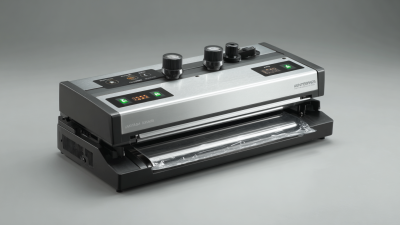

Choosing the right bag sealer machine can make everyday packing more consistent, whether you seal a few batches or run a busy production line. The wrong fit may slow work, create uneven seals, or require more maintenance than expected. Small details matter: bag material, film thickness, seal width, operating speed, and available workspace can all affect performance.
A polished product description is not enough. Test the machine with the bags you actually use, if possible. A seal that looks neat may still fail when handled or stored. It is worth checking temperature controls, sealing pressure, cleaning requirements, replacement-part availability, and the clarity of the operating instructions. These practical checks can reveal more than a long feature list.
This guide presents seven tips for comparing machines with confidence. It considers sealing needs, machine type, output capacity, ease of use, safety features, maintenance, and total cost. Not every buyer needs the fastest model or the most settings. A small operation may value simple adjustments, while a higher-volume workspace may need steady output and straightforward servicing. Be realistic about future demand, but avoid paying for capacity you are unlikely to use. Specifications can be useful, though they do not always reflect daily working conditions. A careful comparison—and a little skepticism—can help you choose equipment that suits your process, rather than forcing your process to suit the machine.
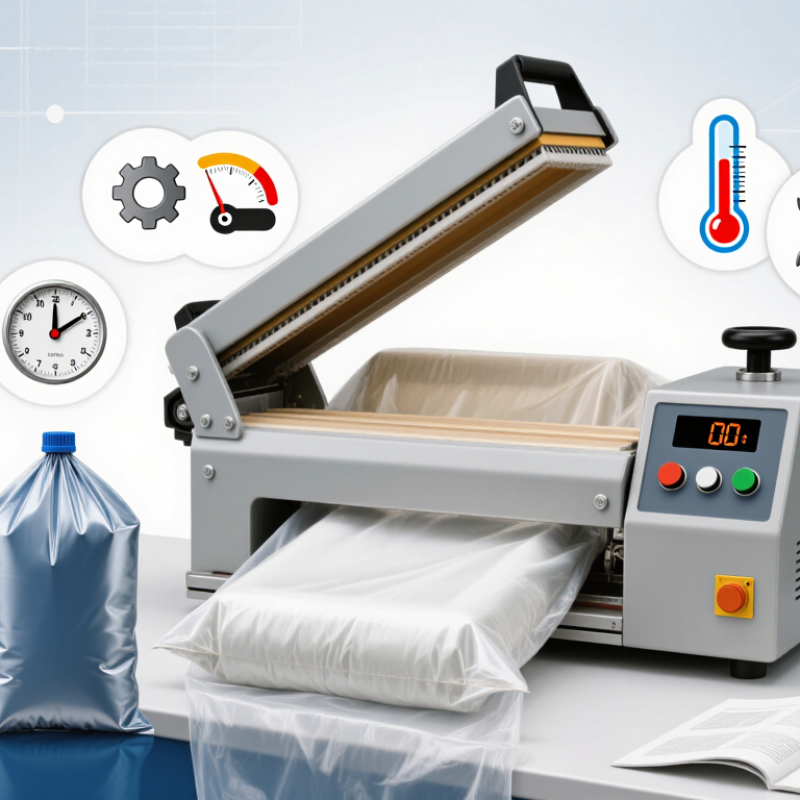
7 Tips for Choosing the Best Bag Sealer Machine?
Understanding Bag Sealer Types and How They Work
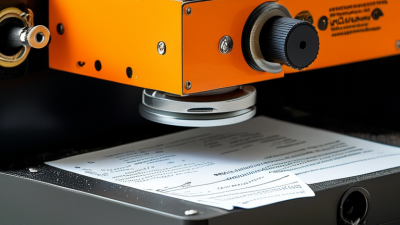
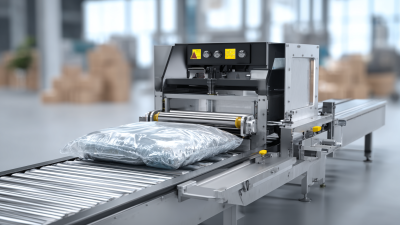
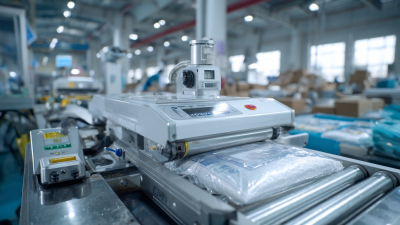
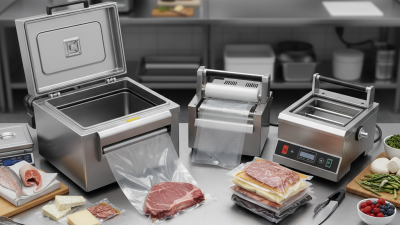
Bag sealers differ in how they apply heat and pressure. An impulse sealer heats its element only during the sealing cycle, making it useful for intermittent work with compatible thermoplastic films. Constant-heat sealers keep their jaws hot, which can suit thicker laminates or steady production. Continuous band sealers feed bags between moving heated belts, helping maintain a repeatable seal at higher throughput. Vacuum models remove air before sealing; they suit products that benefit from reduced air exposure, but not every bag material or product needs this step. Simple, but not interchangeable.
The choice depends on film structure, bag thickness, output, and seal appearance. Allied Market Research estimated the global packaging machinery market at $43.7 billion in 2021, forecasting $69.2 billion by 2031. This broad market figure signals investment in packaging equipment, not demand for any one sealer type. Tip: Check the film supplier’s sealing-temperature range, then test actual filled bags. Watch for wrinkles, weak corners, and scorching.
Tip: Match jaw width and cycle speed to your daily volume, not a peak estimate alone. Try several settings. A seal that looks neat may still fail under handling, so inspect samples and, where appropriate, conduct seal-strength testing. Keep notes on temperature, dwell time, and pressure. The awkward part is that small changes in film thickness can alter results; retest when materials change.
| Tip | Sealer Type | How It Works | Suitable Applications | What to Check Before Choosing |
|---|---|---|---|---|
| 1 | Impulse sealer | A heated element warms briefly when the sealing arm is pressed down. The heat seals compatible thermoplastic film, then the seal cools under pressure. | Intermittent, low-to-medium-volume sealing of compatible bags, such as many polyethylene and polypropylene films. | Confirm bag material and thickness compatibility, seal width, sealing length, and whether the unit has adjustable heat and a cooling or dwell setting. |
| 2 | Constant-heat sealer | Heated sealing bars remain at a controlled temperature and join compatible heat-sealable materials when pressure is applied. | Materials that require sustained heat, including some thicker or multi-layer laminates, depending on their construction. | Check the film supplier’s recommended sealing temperature and pressure. Verify that the machine can maintain stable heat for the intended workload. |
| 3 | Continuous band sealer | Conveyor belts move bags between heated sealing blocks. The blocks form the seal while the bag travels through the machine. | Repeated sealing of many bags, especially when operators need a steady workflow rather than closing each bag by hand. | Consider conveyor speed, bag opening and orientation, seal width, temperature controls, and whether the machine supports the bag’s size and material. |
| 4 | Vacuum chamber sealer | The bag is placed inside a chamber. Air is removed from the chamber and bag, then the bag is sealed before the chamber returns to normal pressure. | Products that benefit from reduced air in the package, such as certain foods or components, when the bag material is vacuum-compatible. | Assess chamber dimensions, pump capacity, bag compatibility, product sensitivity to pressure, and whether gas flushing is needed for the process. |
| 5 | Nozzle vacuum sealer | A nozzle enters the bag opening and withdraws air. The bag is then sealed, typically using a heated sealing bar. | Some larger or textured bags and production setups where a chamber-style machine is not suitable. | Check how the nozzle works with the bag opening, product particles, and packaging material. Confirm the required vacuum level and cycle time. |
| 6 | Foot-operated sealer | An operator positions the bag and uses a foot pedal to activate the sealing jaws, keeping both hands available to handle the package. | Workstations with regular manual packaging where hands-free activation can improve handling and consistency. | Compare sealing length, jaw design, operator ergonomics, cycle rate, and compatibility with the chosen bag film. |
| 7 | Automatic or conveyor sealer | A powered system feeds or guides bags through a sealing station. Sensors or controls coordinate movement and sealing in a repeatable cycle. | Higher-throughput packaging lines with consistent bag sizes and a defined production process. | Evaluate line speed, bag size range, changeover needs, available floor space, operator training, maintenance access, and integration requirements. |