

Choosing Beverage Matcha Powder starts with how you plan to use it. A powder for a small, whisked serving may behave differently in a cold latte or a fruit smoothie. The best choice is not always the brightest green or the most expensive tin. It should suit your recipe, taste preferences, and budget.
Check the ingredient list for matcha without unnecessary additions, then look for clear details about origin, harvest, and storage. A fresh powder often has a vivid green color and a clean, grassy aroma, though appearance alone cannot confirm quality. Taste a small amount before buying in bulk, if samples are available. Notice whether the flavor seems balanced or sharply bitter, and whether it blends smoothly with milk or water. Texture matters. Clumps can linger at the bottom of a glass.
Packaging also deserves attention. An opaque, tightly sealed pouch or tin can help limit light and air exposure after opening. Compare serving size and price rather than relying only on the package price. Some products are labeled “ceremonial” or “culinary,” but these terms are not used consistently across every seller. Treat them as clues, not guarantees. Taste is personal. Even careful research has limits; a powder that works beautifully in one café-style latte may taste too strong in your daily smoothie. This guide explains the details to compare so you can choose with more confidence and fewer costly surprises.
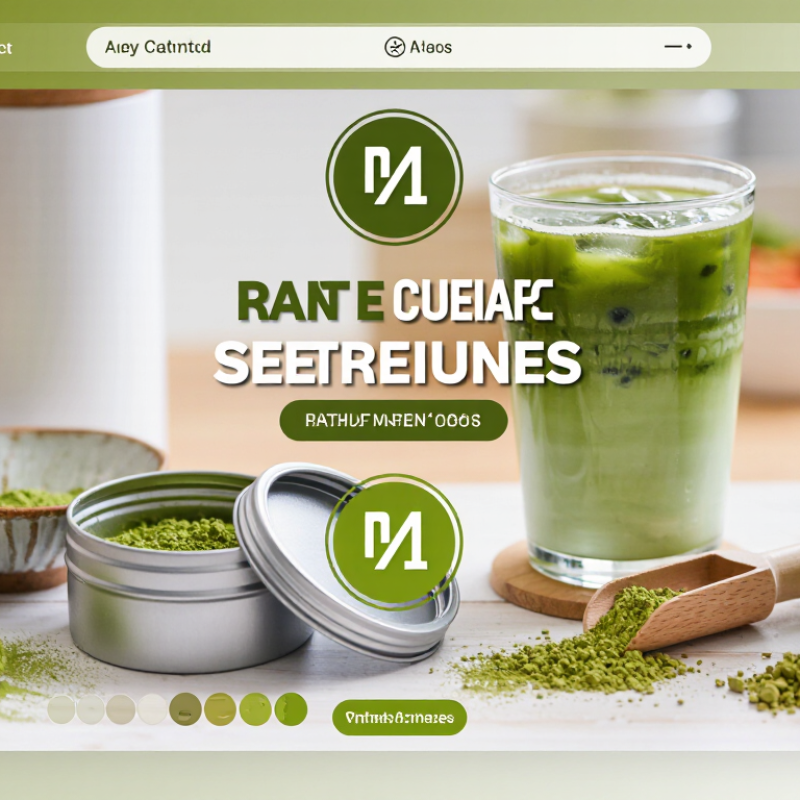
Beverage matcha powder is finely milled green tea made for mixing into drinks. It is commonly produced from shade-grown tea leaves that are steamed, dried, and ground into a vivid powder. Unlike steeped tea, matcha remains suspended in the drink, so you consume the leaf itself. That gives it a fuller body and a distinct, grassy flavor.
The word “beverage” describes an intended use, not a universal quality grade. Standards and labels can vary between sellers. Compared with powders marketed for baking or cooking, beverage matcha is often chosen for a smoother texture, brighter color, and more balanced taste. Still, a label alone cannot guarantee quality. Look for clear sourcing and ingredient information, then check the powder’s aroma and appearance when possible. A fresh powder usually smells green and clean, not stale or musty.
Preparation reveals useful differences. Sift a small portion into a cup, add a little cool or warm water, and whisk until evenly suspended before adding milk or more water. It should not dissolve like sugar. Clumps can form, especially when the powder is damp or the whisking is hurried. A small detail, but it matters. I would not judge a powder from color alone; lighting can mislead, and personal taste varies. Try a plain serving before mixing in sweeteners, which can hide bitterness or astringency.

How to Choose the Best Beverage Matcha Powder
Fresh matcha should look bright green, not dull olive or brown. Its aroma is clean and leafy, with a gentle sweetness; stale powder may smell flat or papery. When whisked, it should feel fine and smooth, not sandy on the tongue. These clues matter, but none proves quality alone. Cultivar, shading, harvest, and storage all affect color and flavor.
Japan’s Ministry of Agriculture, Forestry and Fisheries recorded about 4,176 tonnes of tencha production in 2023, the leaf material used for matcha. That figure offers useful context for origin and supply, not a freshness guarantee. Check for harvest or milling dates, clear origin details, and opaque, airtight packaging. After opening, keep the powder sealed, cool, and away from light and moisture. A vivid color can fade quickly in a warm, clear jar.
Tips: Whisk a small amount with warm water before buying a larger pack. Look for a fine, even foam and a balanced taste, not harsh bitterness. Still, taste is personal; a powder that seems slightly grassy may suit a latte better than a bowl of straight matcha. Freshness indicators are helpful, not perfect.
Quality indicators that can help reveal fresh, well-made matcha
Use these checks together: look for a vivid green color, a fresh vegetal aroma, a smooth fine texture, balanced umami with limited harsh bitterness, and packaging that protects the powder from light, air, and moisture. Scores are a practical comparison guide, not a standardized lab rating.
A good beverage matcha should suit the drink, not simply taste pleasant on its own. In warm water, delicate grassy notes and a mild sweetness are easy to notice. A stronger, more bitter powder may hold its flavor in milk, where fat and sweetness soften its edges.
Texture matters, too. Very fine powder usually blends more smoothly, while coarse particles can leave grit at the bottom of a cup. Sift it before whisking; small clumps are stubborn.
Taste before sweetening. For a latte, mix the matcha with a little warm water first, then add steamed milk and adjust the balance. If the tea disappears, try a slightly larger amount rather than adding more sugar.
Iced drinks need care: shake or whisk the powder with a small splash of water before adding ice, or dry pockets may remain. In lemonade, matcha’s bitterness can sharpen the citrus, though too much may taste harsh.
Smoothies cover subtle flavors, but their thickness can make a grainy powder feel even heavier. I still find cold drinks less forgiving than expected. A quick taste test helps.
The best matcha for a drink depends on what you want to taste through. For plain tea, choose a powder with a fresh, grassy aroma and a bright green color. A fine texture helps it whisk smoothly, though even good powder can leave a little foam or grit if the water is too cool. Taste it plain.
Milk softens matcha’s sharper notes, so a latte can handle a more robust, slightly bitter powder. Whisk the powder with a small splash of warm water before adding milk; this helps prevent dry clumps. Oat milk often adds sweetness, while unsweetened dairy milk keeps the flavor more neutral. I find that a heavily sweetened drink can hide the tea almost completely.
For iced drinks and smoothies, choose a powder with enough flavor to stand up to cold temperatures, fruit, or ice. Cold liquid can make clumps stubborn, so blend or shake the matcha with a little water first. Keep it simple. Try a small batch before making a full glass, then adjust the powder amount to suit your palate. A powder that tastes pleasant in hot tea may seem too mild beside banana or berries, and that mismatch is easy to miss until you taste it.
| Beverage | Flavor Goal | Matcha Profile to Look For | Starting Matcha Amount | Preparation Tips | Why It Works |
|---|---|---|---|---|---|
| Usucha-style matcha | Clean, grassy, and gently savory | A fine, vivid-green powder with a smooth taste and restrained bitterness | About 1–2 g per 60–80 ml water | Sift the powder, add water at about 70–80°C, and whisk until smooth and lightly frothy. | With no milk or sweetener to mask its character, a balanced, smooth-tasting matcha is easier to appreciate. |
| Hot matcha latte | Creamy, mellow, and lightly sweet | A robust, full-bodied powder that can hold its flavor in milk | About 1.5–2 g per 180–240 ml milk | Whisk matcha with a small amount of warm water to make a smooth concentrate, then add steamed milk. | Milk softens matcha’s bitterness, while a more pronounced flavor helps keep the drink from tasting diluted. |
| Iced matcha latte | Refreshing, creamy, and clearly tea-flavored | A vivid, well-balanced powder with enough body to stand up to cold milk and ice | About 1.5–2 g per 180–240 ml milk | Whisk the powder with a little cool or room-temperature water until lump-free; pour over milk and ice. | Making a concentrate first helps disperse the powder evenly and prevents dry clumps in a cold drink. |
| Matcha lemonade | Tart, bright, and slightly sweet | A fresh, moderately assertive matcha that pairs well with citrus | About 1–1.5 g per 200–250 ml lemonade | Whisk matcha separately with a small amount of water, then mix into lemonade. Adjust sweetness to taste. | Citrus adds acidity and brightness, so a balanced matcha can complement the fruit without overpowering it. |
| Matcha smoothie | Soft, fruity, and filling | A full-bodied powder that remains noticeable alongside fruit and other ingredients | About 1–2 g per 300–400 ml smoothie | Blend with the other ingredients; start with the lower amount and add more to taste. | Fruit, yogurt, and other additions can mute delicate tea flavors, making a more pronounced profile useful. |
| Matcha with sparkling water | Light, bubbly, and crisp | A clean, balanced powder without an overly sharp finish | About 1 g per 200–250 ml sparkling water | First whisk the matcha with a small amount of still water. Slowly top with chilled sparkling water and stir gently. | Preparing a concentrate helps avoid clumps, while gentle mixing preserves more carbonation. |
Choosing beverage matcha starts with origin and traceability, not a premium-sounding label. Japan’s Ministry of Agriculture, Forestry and Fisheries recorded 4,176 tonnes of tencha production in 2022. Tencha is the shaded leaf processed into matcha. This limited supply can affect availability and price, though origin alone does not guarantee flavor. Ask for harvest year, region, processing details, and a lot number. “Ceremonial” is not enough.
Compare prices by cost per serving. For example, divide the package price by the number of two-gram servings it provides. A lower price may reflect a different crop or finer details left undisclosed. I still find this easy to misjudge. For storage, choose an opaque, airtight pack and keep it away from heat, light, moisture, and strong odors. A cool cupboard works for unopened powder; after opening, follow the supplier’s guidance. If refrigerating it, let the sealed pack reach room temperature before opening to limit condensation. Buy an amount you can use while its color and fresh, grassy aroma remain vivid.

