
How to Choose the Best Commercial Food Vacuum Sealer?

Choosing the best commercial food vacuum sealer requires more than comparing prices and motor power. The right machine must match your kitchen’s daily rhythm, product sizes, moisture levels, and packaging materials. A small café may need a compact external sealer for portioned vegetables and prepared meals. A busy butcher shop may require a chamber machine with stronger suction and faster sealing cycles. Watch the workflow. Staff should not wait beside the machine while orders accumulate.

Capacity matters, but it is not the only concern. Check the seal bar length, pump performance, cycle time, and bag compatibility. Wet foods can challenge weak seals, especially when liquid reaches the sealing area. A removable seal bar and easy-clean chamber can save time after a long shift. Stainless steel construction helps, but inspect hinges, gaskets, controls, and replacement-part availability. These small details often decide whether equipment remains useful after months of heavy service.

A reliable choice also depends on honest testing. Request demonstrations with your actual products, not empty bags. Test soup, marinated meat, cheese, and delicate produce separately. Compare seal strength, package appearance, noise, and cleaning effort. There is no perfect machine. A powerful vacuum may crush soft foods, while a faster cycle may sacrifice control. I would question any supplier promising effortless performance for every product. Review manufacturer specifications, maintenance guidance, warranty terms, and applicable food-safety requirements before purchasing. The best commercial food vacuum sealer is the one your team can operate consistently, clean properly, and trust during a demanding service.
How to Choose the Best Commercial Food Vacuum Sealer?

Define Your Commercial Vacuum Sealing Needs

Define Your Commercial Vacuum Sealing Needs

Choosing a commercial food vacuum sealer starts with the daily workload, not the machine’s appearance. Count the packages prepared during a busy shift. Record their sizes, weights, and moisture levels. A small kitchen may need a compact chamber model, while a high-volume operation requires faster cycles and stronger cooling systems. Measure the largest bag before comparing equipment. That detail is easy to miss.

Product type matters just as much. Fresh meat, soups, sauces, cheese, and dry ingredients behave differently during vacuuming. Liquids can enter the pump when the cycle is too aggressive. A chamber machine usually offers better control for moist foods. Check the seal bar length, vacuum range, cycle time, and pump capacity. These specifications should match actual production, not optimistic estimates. Test several sample products before making a purchase.

Cleaning requirements deserve equal attention. Look for smooth stainless surfaces, removable parts, and simple access around the sealing area. Staff should be able to clean the machine between product changes without complicated tools. I once underestimated this step, and a few hidden food particles created unnecessary maintenance work. That was avoidable. Consider electrical capacity, noise, service access, and operator training. A machine that seals perfectly but slows the team may still be the wrong choice. Review the results after one busy week, then adjust the settings carefully.

Compare Chamber and External Vacuum Sealer Designs

How to Choose the Best Commercial Food Vacuum Sealer?

Compare Chamber and External Vacuum Sealer Designs

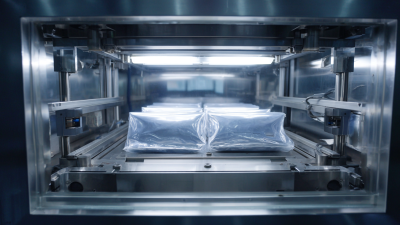
Choosing a commercial vacuum sealer starts with the food you handle most. Chamber models place the bag inside a sealed compartment. The machine removes air from the chamber and bag together. This method reduces pressure differences, so liquids are less likely to spill during sealing. It suits soups, marinades, fresh meat, and wet vegetables. Seals are usually even and strong. The trade-off is real. Chamber units need more counter space and usually cost more.

External vacuum sealers keep the bag outside the machine. A suction nozzle pulls air through the open edge. They are compact, quick to move, and practical for dry products. Textured bags are often required because smooth film can block airflow. Liquids can travel toward the pump, especially when the operator rushes. Chilling food first helps. A short pause can help too. Small details matter.

In a busy kitchen, I would match the design to daily volume, moisture, and bag size. Measure the largest package, not the average one. Check seal width, pump maintenance, cycle time, and cleaning access. I once underestimated cleanup around a narrow sealing bar. That mistake slowed service more than expected. Chamber machines offer better control for wet foods, while external models can be sensible for lighter workloads. Neither choice is perfect. Temperature, portion shape, and operator habits still affect the final seal.

Evaluate Vacuum Strength, Sealing Performance, and Capacity

How to Choose the Best Commercial Food Vacuum Sealer?

Vacuum strength affects how well the machine removes air from food packages. In a busy kitchen, I check the vacuum gauge, pump cycle, and final bag appearance. A strong pump should create firm, even compression without crushing delicate products. Watch the bag closely. If air pockets remain, the machine may need better settings or maintenance. Excessive suction can damage soft foods, so adjustable control is valuable.

Sealing performance matters just as much as vacuum strength. I look for a wide, continuous seal that stays closed during handling and storage. Moisture, grease, or crumbs near the opening can weaken the seal. Run a simple leak test by pressing the sealed bag gently. If air returns, inspect the seal bar and bag position. I once trusted a clean-looking seal that opened overnight. That mistake changed my inspection routine.

Capacity should match the kitchen’s daily workload, not an imagined peak. Measure chamber size, seal-bar length, and the largest bags you regularly use. A compact chamber may suit small portions but slow production. Larger chambers handle multiple packages and bulky cuts more efficiently. Check cycle time, cooling needs, and cleaning access before buying. Vacuum sealing does not replace refrigeration or safe food handling.

Check Materials, Features, Safety, and Ease of Cleaning

How to Choose the Best Commercial Food Vacuum Sealer?

Material quality affects both hygiene and service life. Choose food-contact components made from durable, non-reactive materials. Stainless steel surfaces resist corrosion and tolerate frequent wiping. A reliable silicone gasket should remain flexible after repeated sealing cycles. Check the sealing bar carefully. Uneven edges can create weak seals and wasted packaging.

Useful features should match your daily workload. Adjustable vacuum strength helps protect delicate foods, such as soft fruit or fresh pastries. A clear lid makes it easier to monitor liquid movement and sealing pressure. Automatic programs save time, but manual controls offer better adjustment for unusual products. I have found that faster is not always better. Excessive suction can crush food and pull liquid into the pump.

Safety deserves practical attention. Look for stable feet, insulated handles, and protection against overheating. Keep electrical connections away from wet work areas. Never ignore unusual smells or a noisy pump. Cleaning should not require complicated tools. Removable drip trays, smooth corners, and accessible sealing bars reduce residue buildup. Wipe the chamber after each shift, especially after sealing marinades. Allow every part to dry fully before storage. One detail is easy to miss: a clean gasket may still seal poorly when it becomes stretched or cracked. Inspect it regularly, and replace it before leakage affects food quality or production records.

Calculate Total Cost, Maintenance, and Long-Term Value

Choosing a commercial food vacuum sealer requires more than comparing purchase prices. In my experience, the cheapest unit can become expensive after months of heavy use. Calculate the total cost over three to five years. Include the machine, sealing bags, electricity, replacement seals, pumps, and service visits. A simple spreadsheet can expose hidden expenses.

Record your daily workload before choosing a model. A small kitchen sealing 30 portions daily has different needs from a processing room sealing 300. Check the sealing cycle, cooling time, chamber size, and expected duty rating. Faster equipment may reduce labor costs, but only if staff can use it consistently. My earlier estimate ignored cleaning time. That mistake affected our labor calculation.

Maintenance also affects long-term value. Inspect the lid gasket, oil level, heating wire, and sealing bar regularly. Food particles around the seal can cause leaks and wasted packaging. Ask whether replacement parts are available and whether technicians can service the unit locally. Keep maintenance records with dates, costs, and recurring faults. Useful evidence. Calculate the cost of one failed seal, including discarded food and delayed orders. A durable sealer may cost more initially, yet its reliable output can protect margins. Still, durability claims deserve careful checking. Request service intervals, warranty details, and realistic performance data before purchasing.

How to Choose the Best Commercial Food Vacuum Sealer? — Calculate Total Cost, Maintenance, and Long-Term Value
Five-year comparison based on typical commercial chamber-vacuum-sealer specifications and operating assumptions. Figures are planning estimates and should be verified against current supplier quotations, local electricity rates, and actual packaging requirements.
Evaluation Dimension Light-Duty Commercial Standard Commercial Heavy-Duty Commercial How to Use This Data
Suitable Workload Up to 50 cycles per day Approximately 50–150 cycles per day More than 150 cycles per day Choose a machine whose rated workload is above your normal daily volume to reduce overheating and downtime.
Typical Purchase Price US$1,200 US$2,500 US$5,000 Compare the complete delivered price, including shipping, installation, electrical work, and initial spare parts.
Usable Chamber Size Approximately 330 × 280 × 75 mm Approximately 420 × 370 × 100 mm Approximately 500 × 450 × 120 mm A larger chamber can seal multiple small pouches per cycle and accommodate thicker or irregular products.
Maximum Bag Width Approximately 250–300 mm Approximately 300–400 mm Approximately 400–500 mm Make sure the chamber and sealing bar are wider than the largest bag you plan to use.
Typical Cycle Time 25–45 seconds 20–35 seconds 15–30 seconds Actual throughput also depends on loading, product temperature, bag arrangement, and operator speed.
Typical Pump Capacity Approximately 8–12 m³/h Approximately 12–20 m³/h Approximately 20–40 m³/h Higher pump capacity generally improves evacuation speed, but it may increase purchase price, noise, and energy use.
Estimated Energy Use per Cycle 0.025 kWh 0.040 kWh 0.060 kWh Energy use is relatively small compared with packaging cost, but it becomes relevant at high cycle volumes.
Typical Bag Cost per Cycle US$0.10 US$0.14 US$0.18 Bag cost depends on dimensions, material thickness, barrier performance, printing, and purchase volume.
Recommended Preventive Maintenance Clean sealing area daily; inspect gasket weekly; replace sealing wire or tape every 3–6 months as needed. Clean sealing area daily; inspect oil level and gasket weekly; service pump and replace wear parts every 6–12 months. Clean sealing area daily; inspect oil, gasket, lid alignment, and sealing system weekly; schedule professional service every 6 months. Following the maintenance schedule helps protect vacuum performance, seal quality, and product safety.
Estimated Annual Maintenance Cost US$180 US$300 US$550 Includes routine consumable wear parts and basic service; labor, emergency repairs, and shipping may cost extra.
Expected Economic Service Life Approximately 5–7 years Approximately 7–10 years Approximately 10–12 years Service life depends on workload, cleaning, operator training, sealing temperature, and preventive maintenance.
Five-Year Operating Assumption 100 cycles per day × 250 days per year = 125,000 cycles 100 cycles per day × 250 days per year = 125,000 cycles 100 cycles per day × 250 days per year = 125,000 cycles Use your actual annual cycle count for a more accurate total-cost calculation.
Five-Year Bag Cost US$12,500 US$17,500 US$22,500 Calculation: 125,000 cycles × estimated bag cost per cycle.
Five-Year Energy Cost US$469 US$750 US$1,125 Calculation uses an electricity rate of US$0.15 per kWh. Replace this rate with your local tariff.
Five-Year Maintenance Cost US$900 US$1,500 US$2,750 Calculation: estimated annual maintenance cost × five years.
Estimated Five-Year Total Cost of Ownership US$15,069 US$22,250 US$31,375 Calculation: purchase price + bag cost + energy cost + maintenance cost. Labor, rent, taxes, financing, and downtime are excluded.
Estimated Five-Year Cost per Cycle US$0.12 US$0.18 US$0.25 Calculation: five-year total cost of ownership ÷ 125,000 cycles.
Best Long-Term Value When You have moderate volume, limited floor space, and mostly small or medium bags. You need a balance of throughput, flexibility, maintenance cost, and purchase price. You have high, continuous volume and the cost of labor or downtime is significant. The lowest purchase price is not always the lowest long-term cost; match capacity to actual production demand.
Important Questions Before Buying Can the machine handle your largest bag? Is the electrical supply compatible? Are sealing bars, gaskets, pump oil, and replacement parts readily available? Does the supplier provide service documentation and response-time commitments? These factors can materially affect uptime, repair cost, and the useful life of the equipment.
Calculation Note: The comparison assumes 250 operating days per year, 100 vacuum cycles per day, a five-year ownership period, and an electricity rate of US$0.15 per kWh. Product labor, bag waste, downtime, financing, taxes, installation, and resale value are excluded because they vary substantially by operation.
You've just added this product to the cart:

0
    0
    Your Cart
    Your cart is empty