How to Choose the Best Oil Filter Papers for Your Needs?
Choosing the best Oil Filter Papers can be crucial for various industries, including automotive and manufacturing. According to a report by MarketsandMarkets, the oil filter paper market is projected to grow significantly, driven by demand for high-performance filtration solutions. Selecting the right oil filter papers ensures optimal performance and longevity of machinery.
Factors such as filtration efficiency, burst strength, and chemical resistance are key. It’s essential to match the paper’s specifications with the desired application. Industry experts emphasize the importance of using high-quality oil filter papers to prevent equipment failures. Inferring from studies, inadequate filtration can lead to increased wear and tear on engines, costing businesses significantly in repairs.
However, not all oil filter papers are created equal. Some may fail under specific pressure or temperature conditions. Research shows that a significant percentage of users face challenges in identifying the right filter paper for their needs. This reflects a gap in understanding product specifications. Therefore, it's vital to review industry standards and consult with experts before making a decision.
Understanding Oil Filter Paper Types: Key Characteristics and Applications
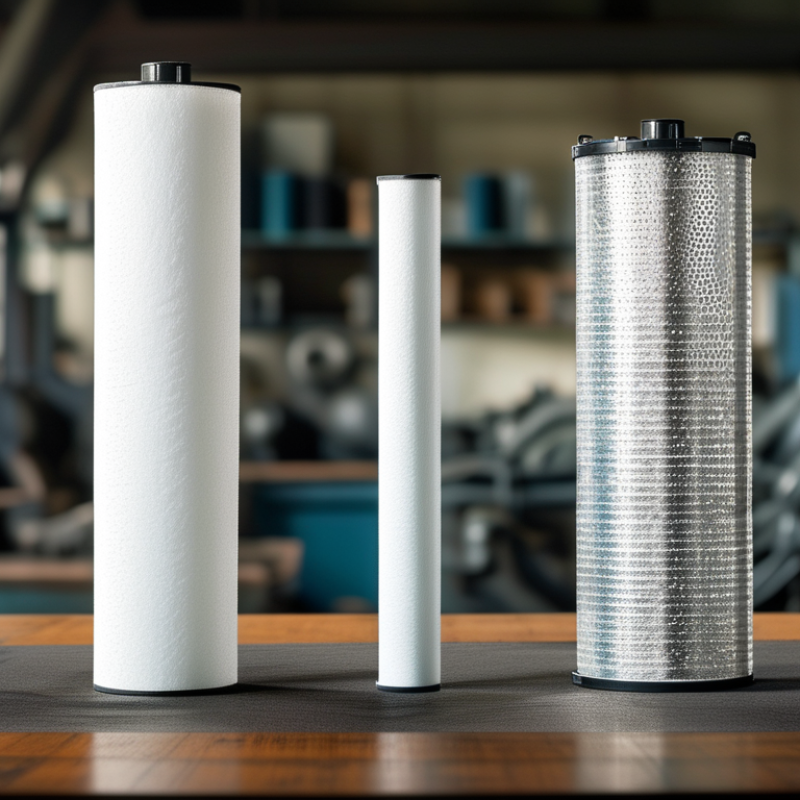
When selecting oil filter papers, it’s crucial to understand the types available and their specific characteristics. There are various options, including cellulose, synthetic, and microglass materials. Each type offers distinct filtration capabilities and durability levels. For instance, cellulose papers are commonly used for their cost-effectiveness and suitable filtration efficiency in simple applications. However, they may not perform well in high-temperature environments.
Synthetic filter papers often exhibit greater chemical resistance. They are better suited for modern applications where high performance is essential. Microglass, on the other hand, provides exceptional filtration but can be more expensive. Evaluating your need for chemical resistance or temperature tolerance is vital when making your choice.
It’s important to reflect on the specific requirements of your application. The ideal choice may not always be the top-rated option. Sometimes, a less expensive filter could perform adequately for your needs. Your choice should balance performance with practicality, ensuring that you are making a reliable decision. Understanding the details about each type can lead to a more dependable filtration process. Make sure to consider the specific environment and fluid characteristics when selecting oil filter papers.
Evaluating Filter Efficiency: Importance of Micron Rating in Oil Filtration
When it comes to oil filtration, the micron rating plays a crucial role. This rating signifies the size of particles that the filter can remove from the oil. A lower micron rating indicates finer filtration, which can be essential for preserving engine health and performance. For instance, a filter with a rating of 10 microns will trap smaller particles compared to one rated at 30 microns. This can help reduce wear and tear on engine components.
Choosing the right micron rating involves balancing filtration efficiency and oil flow. High-efficacy filters may restrict flow rates, leading to potential engine issues. It's vital to consider your specific needs. In applications where cleanliness is critical, opt for lower ratings. However, if faster oil circulation is essential, a higher rating could be more practical. The decision can feel overwhelming. Many individuals overlook these details in their selection process. Understanding this aspect helps make informed choices.
Continuously evaluating filter performance is a necessary step. Regular inspection can reveal that, despite a satisfying micron rating, the efficiency may decline over time. Staying vigilant about the quality of oil and filter will enhance longevity. This reflection ensures you always have optimal filtration, maintaining engine efficiency and reliability.
Material Composition: Comparing Cellulose, Synthetic, and Blended Filters
When selecting oil filter papers, material composition significantly influences performance. Three main types exist: cellulose, synthetic, and blended filters. Each has distinct advantages. Cellulose filters are made from plant fibers. They are cost-effective and offer decent filtration. However, they may not perform well under extreme conditions.
Synthetic filters are engineered for durability and higher efficiency. They can trap smaller particles, ensuring better oil cleanliness. But their price point is generally higher than cellulose options. Blended filters combine the best of both worlds. They provide solid performance while maintaining affordability. However, they may not reach the filtration efficiency of 100% synthetic materials.
Tips: Always consider your specific needs before choosing a filter. Evaluate the environment where the filters will be used. If you're in extreme conditions, synthetic may be worth the investment. Cost is important, but don't compromise on quality. A poor choice may lead to engine damage down the line. Ensure you understand the specifications of each type. Comparing different options can prevent mistakes. Prioritize filters that meet your application requirements.
Comparison of Oil Filter Papers by Material Composition
Flow Rate vs. Filtration Quality: Finding the Right Balance for Your Needs
Choosing the right oil filter paper requires careful consideration of two critical factors: flow rate and filtration quality. The flow rate refers to how quickly oil can pass through the filter paper. A high flow rate is beneficial for applications that demand rapid oil processing. However, fast flow often sacrifices filtration quality. Contaminants may slip through, leading to reduced oil purity.
Filtration quality is paramount in applications where cleanliness is vital. This means smaller particles must be trapped effectively. Higher quality papers can filter more contaminants, ensuring that the oil remains clean. Yet, this superior filtration may slow down the flow rate. Striking the right balance can be challenging. It involves understanding the specific needs of your application.
Exploring other aspects can also influence your choice. Paper thickness plays a role in durability but can affect both flow and filtration. Too thick might clog quickly; too thin might tear. Enjoying the benefits of optimal filtration while maintaining a decent flow rate requires thoughtful experimentation. It’s often a process of trial and error, reflecting on performance in real-world conditions.
Industry Standards and Certifications: Ensuring Quality and Performance
When selecting oil filter papers, industry standards and certifications play a crucial role. These guidelines ensure that the filter papers meet specific performance benchmarks. They help maintain the integrity of the filtration process. Industry certifications, such as those from recognized organizations, can indicate that a product has undergone rigorous testing.
High-quality oil filter papers tend to feature certain certifications. These may include ISO standards or specific environmental guidelines. Such certifications signal reliability. However, not all products display these marks clearly. Consumers need to actively seek this information before making a decision.
Performance is another key consideration. Filter papers must excel in various conditions. Some may absorb moisture better than others. This factor can impact the overall efficiency of the oil filtration system. It's important to reflect on how the chosen filter paper aligns with your unique requirements. Sometimes, the cheapest option may not be the best choice. Balancing cost and quality is often a challenge.