

What Is an Electronic Puff and How Does It Work?

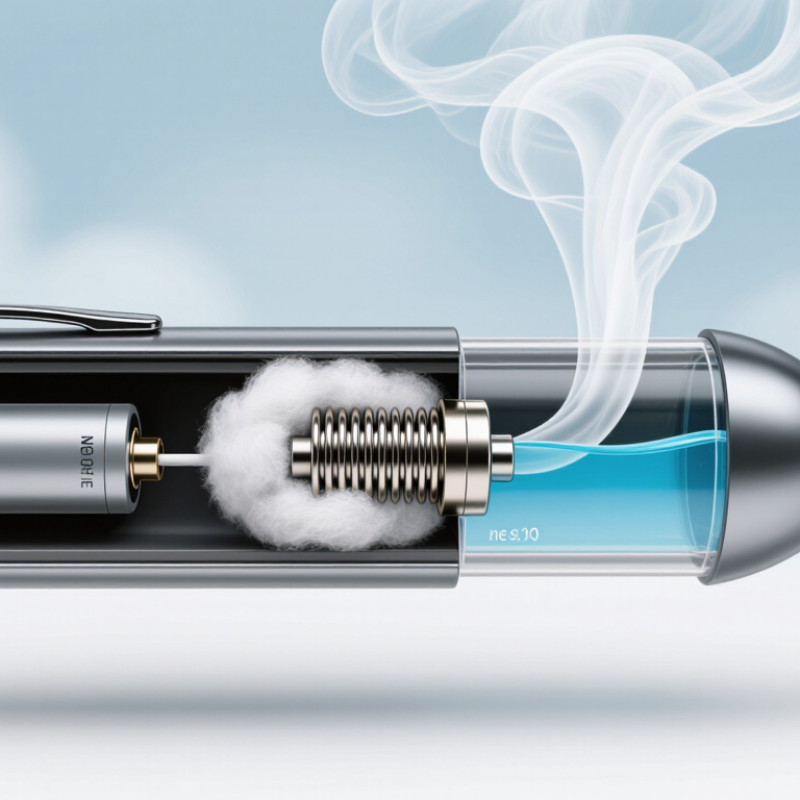
An Electronic Puff is a small electronic device that produces an inhalable aerosol by heating a liquid. Its shape may resemble a pen or a compact pod. Inside, a battery powers a heating element, while a wick carries liquid toward it. When the device activates, the heated liquid forms an aerosol that exits through the mouthpiece. No flame is involved. The exact design varies by product, so not every device works in precisely the same way.

“Understanding the battery, heater, and liquid explains the puff more clearly than its appearance,” says fictional product-safety specialist Alex Morgan. This is an illustrative quotation, not a verified statement from a real expert. The distinction matters: a simple-looking device still contains electrical and heated components. Follow the manufacturer’s instructions, and stop using a device that appears damaged, leaks, or becomes unusually hot. Do not open or modify it.

A puff can feel effortless. The mechanism is not magic. This guide explains what each component does, how activation creates aerosol, and why product designs differ. It also separates common device features from assumptions about what an Electronic Puff contains or delivers. Details can vary between models. Read the product label. Understanding the mechanism is useful, but it does not establish that a product is risk-free or suitable for everyone.
What Is an Electronic Puff and How Does It Work?

Definition and Main Types of Electronic Puff Devices

An electronic puff device, often called an e-cigarette, uses a battery to heat liquid in a small chamber. The resulting aerosol travels through a mouthpiece; it is not simply water vapor. Most devices contain a power source, heating element, liquid reservoir, and airflow channel. Some activate with a button, while others respond to inhalation. Small, but not simple.

Common types include disposable devices, pod systems, vape pens, and tank-style devices. Disposables come prefilled and are discarded when depleted. Pod systems use replaceable or refillable cartridges. Vape pens tend to have a slim battery and a refillable tank; tank-style models may allow more adjustment.

The CDC’s 2024 National Youth Tobacco Survey counted 1.63 million current student users in the United States. Disposables were the most commonly reported device type. This figure describes youth use, not adults or product safety.

The device category alone cannot show what a user may inhale. Liquid ingredients, coil temperature, airflow, and maintenance can all affect aerosol output. The National Academies’ 2018 report found that emissions vary with device features and use conditions. A pod may look uncomplicated. That is not the whole story.

Core Components: Battery, E-Liquid Reservoir, Coil, and Airflow Sensor

What Is an Electronic Puff and How Does It Work?

An electronic puff is a small battery-powered device that heats e-liquid to create an inhalable aerosol. Its parts work together, though layouts can differ between devices. The battery supplies electrical power. A coil, usually made from metal wire, turns that power into heat. The liquid does not burn like paper or tobacco; it warms near the coil instead. The result is an aerosol, not simply water vapor. Small distinction, but an important one.

The e-liquid reservoir holds the liquid and feeds it toward the coil through a wick or similar material. If the wick dries out, heating may taste harsh. An airflow sensor detects a user’s draw and activates the heating circuit on some models. Air then passes through the device and carries aerosol toward the mouthpiece. In simple terms: power, liquid, heat, and airflow. Real devices can be less tidy than diagrams, and a sensor may respond differently as parts wear.

Tips: Keep the device dry and check for visible leaks. Use only the charging method specified for that device, and stop using it if the battery looks swollen or damaged. Don’t open the casing; internal parts can be difficult to handle safely. A quick inspection helps, but it cannot confirm that every component is working properly.

Operating Sequence: How Airflow Activates the Coil and Forms Aerosol

An electronic puff begins when a person draws air through the mouthpiece. That airflow passes a small sensor, which detects a change in pressure or movement. The sensor then signals the device’s control circuit. In many designs, the circuit briefly connects the battery to a heating coil. The exact response depends on the device.

The coil warms material held in a wick, which draws liquid toward the heated area. As the liquid heats, it forms an aerosol: tiny droplets suspended in air, not simply water vapor. Incoming airflow carries those droplets through the device and out of the mouthpiece. That signal matters. Without enough airflow, some devices may not activate; others use a button or another control.

A puff’s feel can change with airflow, coil temperature, liquid supply, and battery condition. A dry or poorly supplied wick may produce a harsh taste, while excessive heat can affect aerosol composition. Small changes matter. The process is not perfectly uniform, even between similar devices, and a smooth draw does not show what substances are present. Aerosol can contain substances that may affect health, so it should not be treated as harmless air.

ISO 20768:2018 Test Regimen: 55 mL Puffs, 3 Seconds Each, 30-Second Gaps

An electronic puff is a measured draw of air through an electronic aerosol device. In laboratory testing, a puffing machine creates repeatable draws so researchers can compare aerosol output under controlled conditions. ISO 20768:2018 specifies a regimen of 55 milliliters per puff, with each puff lasting three seconds and a 30-second gap before the next one.

That timing matters. The machine draws air at a steady rate, then pauses while the device rests between puffs. A 55-milliliter draw is roughly the volume of a small breath, but the machine controls it more consistently than a person can. Small details matter. Differences in airflow, timing, or temperature may change how much aerosol a device produces.

Technicians check the machine settings and document the test conditions before collecting measurements. They may also inspect tubing and connections for leaks, since even a small leak can affect results. Real people do not puff with perfect regularity. Not quite. The standard regimen is a useful comparison point, not a complete model of everyday use. Results should be interpreted alongside the test setup and other relevant measurements.

What Is an Electronic Puff and How Does It Work?

Illustrative ISO 20768:2018 puff regimen: 55 mL drawn over 3 seconds, followed by a 30-second gap.

The chart shows a constant illustrative flow of 18.33 mL/s for 3 seconds, which corresponds to 55 mL, then zero flow during the 30-second interval. The profile is a simplified representation of the test regimen, not a measurement of a specific device.

Factors Affecting Output: Coil, Power, E-Liquid, and Airflow

An electronic puff is an aerosol produced when a heated coil warms e-liquid. Its output is not controlled by one setting alone. Coil material, surface area, and resistance affect how heat reaches the liquid. Power adds heat, but excessive power can outpace liquid supply and create a dry, harsh puff. The National Academies’ 2018 report, Public Health Consequences of E-Cigarettes, found that aerosol emissions vary with device design, operating conditions, and e-liquid composition. Small changes matter. A larger cloud does not automatically mean a better or more consistent puff.

E-liquid viscosity also shapes delivery. Liquids with more vegetable glycerin are generally thicker, so they may feed differently through a coil than thinner, propylene-glycol-rich liquids. Airflow cools and dilutes the aerosol; a tighter draw can feel warmer, while open airflow may feel cooler. These are tendencies, not guarantees. ISO 20768:2018 uses a machine-testing puff of 55 mL over 3 seconds, once every 30 seconds. That benchmark helps compare devices under controlled conditions, but real puffing varies. A small test chamber cannot fully reproduce a person’s draw, and that limitation deserves attention.

You've just added this product to the cart:

0
    0
    Your Cart
    Your cart is empty