How to Ensure Quality in Offset Printing Inspection Process?
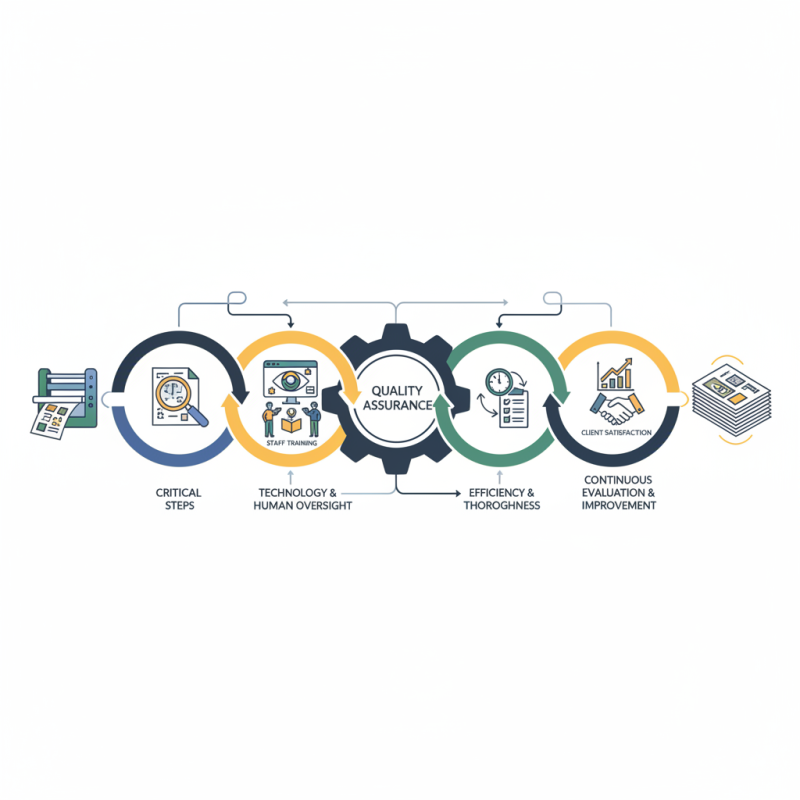
Ensuring quality in the Offset Printing Inspection process is vital for delivering outstanding printed materials. The offset printing inspection involves several critical steps that require attention to detail. Proper inspection can prevent costly mistakes and enhance client satisfaction. Quality assurance is not just a final check; it is an ongoing process that needs expertise and reliable practices.
Incorporating advanced technology helps streamline offset printing inspection. Automated systems can identify defects that human eyes might miss. However, these systems are not infallible. Human oversight is still necessary to ensure accuracy. Periodic training for staff improves inspection skills. Knowledge of common printing issues enhances their ability to catch errors early.
Balancing efficiency and thoroughness is often a challenge. Fast-paced production environments may lead to oversight. Mistakes can slip through, affecting quality. Continuous evaluation of inspection methods and outcomes is essential. This reflection allows for adjustments that improve performance. A meticulous approach to offset printing inspection establishes a reputation for excellence in the printing industry.
Understanding the Importance of Quality in Offset Printing
In offset printing, quality is paramount. Ensuring that every print meets the desired standard is crucial to maintain customer satisfaction and brand reputation. Small errors can lead to costly reprints and dissatisfied clients. Quality inspections should be an integral part of the production process. They help catch defects early, minimizing waste and maximizing efficiency.
Understanding quality in offset printing is not just about technical parameters. It involves a comprehensive approach that includes the choice of materials, ink consistency, and machinery calibration. Each element contributes to the final product's appearance. However, even with strict controls, issues can arise unexpectedly. A slight misalignment in printing plates can lead to noticeable flaws.
Regular training for staff offers an extra layer of quality assurance. Employees must be aware of the standards and pitfalls in their processes. Creating a culture of continuous improvement helps identify potential issues before they escalate. While striving for perfection, it is essential to recognize the areas needing improvement. Ultimately, a commitment to quality leads to better outcomes in offset printing.
Key Steps in the Offset Printing Inspection Process
In the offset printing inspection process, quality assurance is vital. A structured approach helps identify potential issues early. One key step is visual inspection. Inspectors should watch for color variations and alignment problems. Ensure samples are checked against the original design.
It’s crucial to maintain precise color calibration. Color deviations can easily occur during printing. Implement routine checks using standardized color samples. This method helps highlight any discrepancies quickly.
Another vital step involves checking the printed materials physically. Feel the texture and weight. This can reveal inconsistencies in the paper or ink. Sometimes, human error leads to overlooked flaws. Regular training for inspectors can help reduce these mistakes.
Tips: Always document findings during inspections. This record can be valuable for future reference. It helps track recurring issues. Communication among team members is essential. A quick discussion can prevent repeated errors.
Tools and Technologies for Effective Printing Quality Control
In the offset printing industry, quality control is vital to maintaining high standards. Effective tools and technologies play a crucial role in this process. According to industry research, nearly 70% of print defects can be identified through proper inspection techniques. Automated inspection systems are now more common, utilizing high-resolution cameras and AI algorithms to detect color variations and alignment issues.
Data shows that over 60% of printers have adopted spectrophotometers for color measurement. These devices help ensure consistency across print runs. They measure color in real-time, allowing for immediate adjustments. However, many facilities still rely on manual inspection methods, which can introduce human error. This reliance raises questions about the effectiveness of human judgment in detecting subtle flaws.
Innovative software solutions also aid in quality assurance. Many companies are now integrating cloud-based platforms for tracking quality metrics. These systems provide valuable insights into production trends. Nevertheless, not all organizations embrace this technology. Resistance to change can hinder improvements. It's essential to reflect on your current processes and explore how new tools can elevate print quality.
Common Quality Issues in Offset Printing and Their Solutions
Offset printing is a complex process. Common quality issues can arise at any stage. One frequent problem is color inconsistency. When colors do not match specifications, it can lead to unsatisfactory results. Using calibrated instruments for color checking can help, but it requires regular maintenance. Sometimes, staff training is overlooked, leading to human error.
Another issue is paper quality. Poor-quality paper can cause smudging or misalignment. It’s crucial to select the right paper for the job. Regular visual inspections should be a part of the process. In some cases, operators may miss subtle flaws that can affect the final product.
Ink transfer problems are also common. Inconsistent ink distribution can lead to streaks or missing elements. Monitoring ink viscosity is essential, but it often gets neglected. Ensuring the right balance of ink and dampening solution is vital. Operators must remain alert to subtle changes during printing. Continuous education can make a significant difference in reducing these issues.
Best Practices for Consistent Quality Assurance in Offset Printing
In offset printing, maintaining consistent quality is vital. A systematic inspection process can help achieve this. Start by establishing clear quality standards for each print job. This ensures that everyone on the team understands the expectations. Regularly review these standards to keep them relevant.
Utilizing the right tools for inspection is crucial. Color measurement devices and densitometers can provide accurate data on color consistency. Additionally, having a checklist for inspecting key elements—like registration and ink density—can enhance the inspection process. Involve trained personnel who understand these tools and can interpret the results accurately.
Mistakes can happen. Occasionally, prints may deviate from the desired quality. It's essential to log these incidents and analyze the causes. This reflection can reveal areas needing improvement. Encouraging open communication among the team fosters a culture of quality. Everyone should feel responsible for the final product.
How to Ensure Quality in Offset Printing Inspection Process? - Best Practices for Consistent Quality Assurance in Offset Printing
| Quality Assurance Aspect | Best Practice | Frequency of Inspection | Responsible Party |
| Color Accuracy | Use color calibration tools and perform regular checks | Every print run | Press Operator |
| Print Alignment | Conduct visual checks and measurements | Every 1000 sheets | Quality Control Inspector |
| Paper Quality | Inspect paper for defects before printing | At receiving | Warehouse Staff |
| Print Density | Use a densitometer to measure density | Every hour | Press Operator |
| Registration Marks | Regularly check registration during the print run | At start and every 500 sheets | Quality Control Inspector |