| Cold-chain temperature | Codex’s general quick-frozen food benchmark is a product temperature of −18°C or colder throughout the cold chain. | Pre-shipment temperature records, container set-point details, and shipment temperature-monitoring records. | Helps verify that the product remained frozen during storage and transport. |
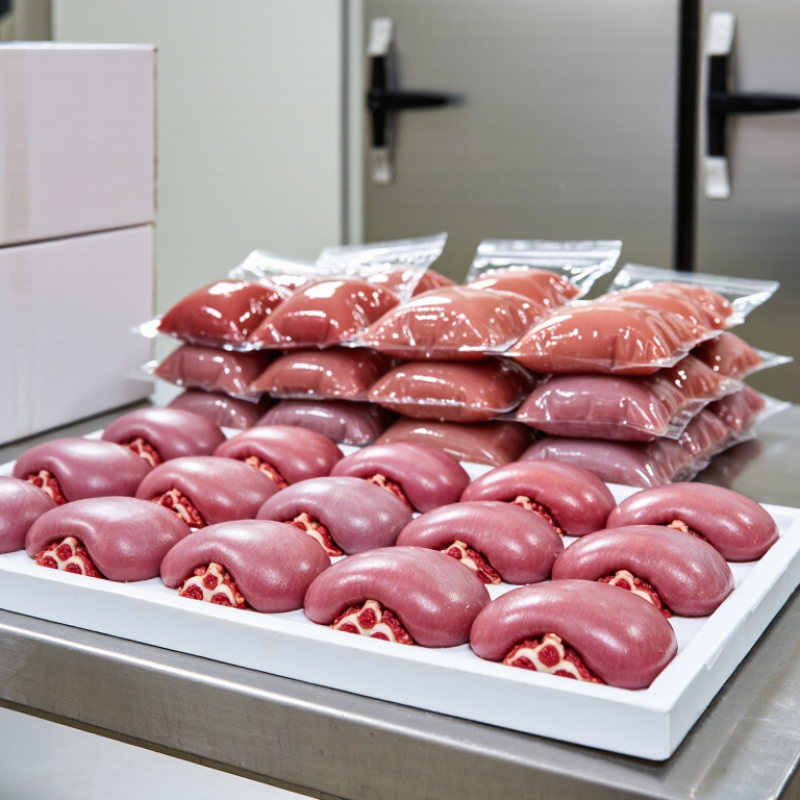
| Product identification | Confirm that the product is chicken gizzards and specify whether they are cleaned, trimmed, and supplied whole or cut. | Product specification, product photographs, and the agreed packing description. | Reduces the risk of receiving product that does not match the intended use. |
| Processing hygiene | Assess the supplier’s hygiene controls against applicable destination-market requirements and Codex food-hygiene principles. | Facility approval details, hygiene procedures, and food-safety management documentation. | Supports a documented review of the production site and its food-safety controls. |
| HACCP-based controls | Ask how hazards are identified, monitored, and managed during processing, freezing, and packing. | HACCP plan overview, monitoring records, and corrective-action procedures. | Shows how the supplier manages food-safety hazards at relevant process steps. |
| Microbiological criteria | Apply the limits and testing requirements of the importing market; there is no single universal numerical specification for every destination. | Recent certificate of analysis, sampling details, test methods, and laboratory information. | Allows buyers to assess results against their market’s rules and purchasing specification. |
| Product specification | Set measurable requirements for size range, trimming, foreign matter, block format, and any other product attributes in the contract. | Signed product specification and a pre-shipment inspection plan. | Many commercial grading details are contract-defined rather than universal Codex limits. |
| Glazing and declared weight | Agree whether the product is glazed and how net weight and glaze are declared, in line with destination-market rules. | Label artwork, packing specification, and weight-control records. | Clear declarations help buyers compare offers and verify delivered quantity. |
| Packaging integrity | Specify food-contact packaging, pack size, sealing, and outer-carton requirements for the intended distribution route. | Packaging specification, label sample, and inspection records for seals and cartons. | Sound packaging helps protect the product during frozen storage and handling. |
| Lot traceability | Require a lot or batch identifier linked to production records and shipment documents. | Sample carton label and a traceability demonstration for a selected lot. | Enables targeted investigation or recall if a product-safety concern arises. |
| Export documentation | Confirm import-country requirements before shipment; certificates and approvals vary by destination. | Applicable health certificate, establishment approval details, certificate of origin, and shipping documents as required. | Incomplete or incorrect documents can delay customs clearance or prevent import. |
| Shipment and container readiness | Agree shipment size, loading plan, frozen-container requirements, and temperature-record access before dispatch. | Loading records, container details, seal number, and agreed temperature-monitoring data. | Connects the supplier’s dispatch controls with the buyer’s receiving and transport plan. |