How to Buy L-Carnitine Powder in Bulk?
How to Buy L-Carnitine Powder in Bulk?
Buying L-Carnitine Powder in bulk requires more than comparing prices per kilogram. A dependable decision begins with identity, purity, documentation, and supplier consistency. Sports-nutrition researcher Dr. Jose Antonio has often stated, “Supplements are not a substitute for a good diet.” That principle matters here. Bulk purchasing should support responsible product development, not encourage exaggerated health claims.
Ask each supplier for a current certificate of analysis, or COA. Check the assay result, testing method, lot number, manufacturing date, and expiry date. Confirm whether the material is L-carnitine, L-carnitine tartrate, or another form. They are not interchangeable in formulation. Review microbiological results, heavy-metal limits, allergen controls, and residual-solvent testing where applicable. A professional supplier should explain these details clearly.
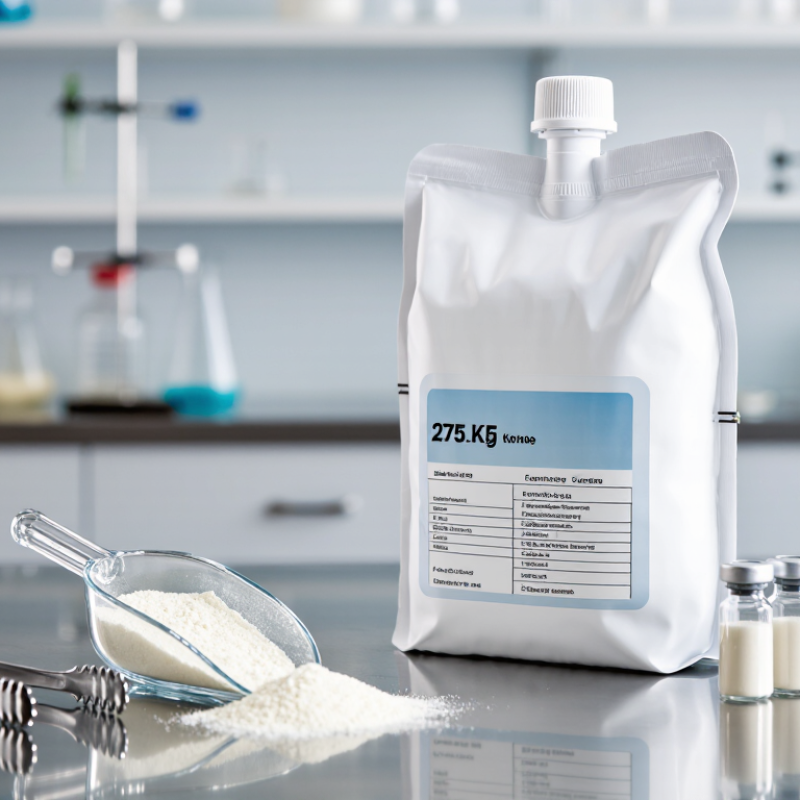
Manufacturing standards deserve close attention. Look for GMP-aligned production, traceable raw materials, secure packaging, and documented quality systems. A sealed twenty-five-kilogram bag should show more than a product name. It should include batch information and storage instructions. Protect the powder from moisture, heat, and strong odors during transport and storage.
Price still matters. However, the cheapest offer may exclude testing, reliable logistics, or technical support. Request a sample before signing a large contract. Evaluate its appearance, flow, odor, solubility, and laboratory results. Small details can expose larger problems.
There is room for careful doubt. A polished website does not prove dependable quality. Even experienced buyers can miss a missing COA or unclear specification. Compare several suppliers, record every question, and choose evidence over confident promises.
Define Your Bulk L-Carnitine Powder Requirements
How to Buy L-Carnitine Powder in Bulk?
Define Your Bulk L-Carnitine Powder Requirements
Before requesting quotations, define how the powder will be used. Will it support capsules, drink mixes, tablets, or laboratory development? Each format may require different solubility, particle size, and handling properties. Write the target batch size clearly. Include monthly demand, preferred packaging, and acceptable delivery schedules.
Purity must be supported by reliable evidence. Request a current certificate of analysis for every production lot. Check identity, assay, moisture, microbial limits, heavy metals, and residual solvents where applicable. Independent laboratory testing adds useful confidence. It is not excessive for a large purchase. Confirm whether the material is L-carnitine or a specific permitted salt form. These forms are not interchangeable in formulation work.
Think beyond the price per kilogram. Ask about minimum order quantities, retest periods, storage conditions, and packaging protection. A sealed inner liner and dry warehouse matter during long storage. My early purchasing mistake was choosing a low quote before checking testing details. The cheaper powder created more questions, not fewer. Leave room for small trial samples before committing to a full shipment. Keep written specifications and approval records. Requirements sometimes change after production begins. That uncomfortable possibility deserves attention.
Evaluate Purity, Specifications, and Product Forms
How to Buy L-Carnitine Powder in Bulk?
Bulk purchasing starts with a clear purity specification, not a low quotation. Grand View Research’s 2024 market analysis estimates the global L-carnitine market will grow at about 5.2% annually through 2030. This expansion increases supplier choices, but it also increases quality variation. Ask for a lot-specific certificate of analysis, not a generic document. The certificate should show assay results, moisture, residual solvents, heavy metals, and microbiological limits. HPLC testing is preferable for confirming identity and concentration. Look beyond the headline.
Product form also affects performance and manufacturing cost. L-carnitine base offers high active content, while L-carnitine tartrate may suit powdered drink mixes. Acetyl-L-carnitine is a different chemical form and needs separate specifications. Forms matter. Compare elemental L-carnitine content, solubility, hygroscopicity, and recommended storage conditions. A 2023 technical review in the Journal of Dietary Supplements notes that formulation and stability can influence handling and finished-product consistency.
Reliable suppliers should provide recent third-party test results and traceable batch numbers. Check whether the reported assay uses a recognized analytical method. Confirm packaging integrity, pallet conditions, and shelf-life evidence before signing a bulk contract. In practice, small pilot samples reveal problems that documents miss, including clumping, odor, or poor dissolution. Not perfect. Supplier questionnaires can also contain outdated information, so independent verification remains worthwhile. Cost comparisons should include testing, freight, rework, and rejected-material risks.
How to Buy L-Carnitine Powder in Bulk? Evaluate Purity, Specifications, and Product Forms
Product forms have different molecular masses and active-moiety proportions. The chart compares free L-carnitine, L-carnitine L-tartrate, and acetyl-L-carnitine hydrochloride using values calculated from their molecular formulas.
Bulk purchasing checklist: Confirm the exact chemical form and CAS identity, assay basis, optical purity, moisture, residual solvents, heavy metals, microbiological limits, particle size, packaging, and batch-specific certificate of analysis. The theoretical L-carnitine-equivalent percentage is calculated from molecular composition and is not a substitute for laboratory assay results.
Compare Manufacturers, Suppliers, and Wholesale Pricing
Buying L-carnitine powder in bulk requires more than finding the lowest quoted price. Grand View Research estimates that the global L-carnitine market may expand at about 5% annually through 2030, increasing pressure on buyers to secure reliable supply. Manufacturers usually offer stronger batch traceability and lower factory pricing, while trading suppliers may provide smaller minimum order quantities and faster regional delivery.
Ask each manufacturer for a current certificate of analysis, assay result, moisture level, heavy-metal testing, and microbiological limits. A practical specification should state L-carnitine content clearly, not simply “premium grade.” Check whether testing comes from an independent laboratory. Review GMP documentation, production capacity, packaging conditions, and lot numbers before discussing volume discounts. Small details matter, especially when powder arrives in sealed 20- or 25-kilogram bags.
Wholesale pricing depends on purity, order size, origin, shipping terms, and payment conditions. Compare the delivered cost, not only the price per kilogram. A very low offer can hide testing fees, long lead times, or unstable supply. Supplier quotations should show MOQ, lead time, Incoterms, packaging, and replacement terms for failed batches. The Global Dietary Supplements Market Report by Nutrition Business Journal has repeatedly highlighted quality assurance as a major purchasing concern. Still, reports cannot replace direct verification. Request samples from two or three sources, test them independently, and keep room for uncertainty in your forecast.
Verify Quality Testing, Compliance, and Documentation
How to Buy L-Carnitine Powder in Bulk?
Verify Quality Testing, Compliance, and Documentation
Buying L-Carnitine powder in bulk requires more than comparing prices per kilogram. Ask for a current certificate of analysis for the exact lot. The document should show identity, assay, moisture, heavy metals, and microbiological results. Check the testing dates. Old results may not represent new material.
Request independent laboratory reports when possible. The laboratory should use recognized analytical methods and clearly identify the sample. Review the supplier’s manufacturing standards, quality procedures, and facility certifications. Documentation should also include batch numbers, country of origin, storage conditions, and shelf life. Missing details create avoidable uncertainty.
Do not rely on appearance alone. A white powder can still have contamination or incorrect potency. I have seen purchasing decisions focus too heavily on packaging and delivery speed. That approach feels efficient, but it can fail during a quality audit. Confirm that specifications match your intended application and local requirements. Ask whether the supplier can provide traceability from raw material to finished batch. Keep signed records, test reports, and communication in one controlled file.
Small details matter. A clear answer is not always a complete answer. Ask follow-up questions when a report lacks method numbers, acceptance limits, or laboratory signatures. Before placing a large order, evaluate a representative sample under your own quality process. Cost matters, but reliable evidence protects the purchase better.
Finalize the Order, Packaging, Shipping, and Storage Plan
Buying L-carnitine powder in bulk requires more than comparing price per kilogram. Request the current specification, assay range, moisture limit, particle size, allergen statement, and batch-specific certificate of analysis. Ask for a small sample before approving a full shipment. A clear lot number matters. It connects the sample, production record, and final cartons. Confirm the order in writing, including quantity, unit price, tolerance, payment terms, inspection timing, and responsibility for damaged goods. Keep every detail visible.
Packaging should match the expected storage period and transport route. Use sealed food-grade inner bags inside sturdy fiber or plastic drums. Add tamper evidence, net weight, lot number, production date, and recommended storage conditions. Do not accept vague labels. They create avoidable warehouse errors. I once overlooked pallet dimensions during a trial purchase. The cartons arrived safely, but they occupied more rack space than planned. That small mistake increased handling costs.
Agree on shipping documents before dispatch. Confirm the carrier, delivery window, pallet count, tracking method, and temperature or humidity controls when needed. Ask for photos of sealed pallets before loading. On arrival, inspect seals, cartons, odor, color, and visible moisture. Record deviations immediately, then quarantine questionable material until review. Store the powder in a cool, dry, clean area, away from sunlight, chemicals, and strong odors. Use FIFO and retain a reserve sample from each lot. Storage plans need revision. Seasonal humidity may expose weaknesses that looked harmless in winter. This issue deserves another review.