What is Lifepo4 Battery Benefits and Applications?
The Lifepo4 Battery has gained significant attention due to its unique advantages. Its reputation stems from both performance and safety. By utilizing lithium iron phosphate as the cathode material, this battery offers a stable and reliable power source. Users often note that it has a longer lifespan compared to traditional batteries. This longevity translates into cost savings over time.
Moreover, the Lifepo4 Battery is less prone to overheating. This makes it a safer choice for various applications. Its efficiency shines in electric vehicles, renewable energy storage, and even portable electronics. However, some users report challenges related to energy density. While it may not provide the same energy output as lithium-ion alternatives, its performance in safety is commendable.
In assessing the Lifepo4 Battery, it's essential to consider both its benefits and limitations. Users should weigh the trade-offs carefully. Overall, the Lifepo4 Battery stands out as a reliable option for many modern energy needs.
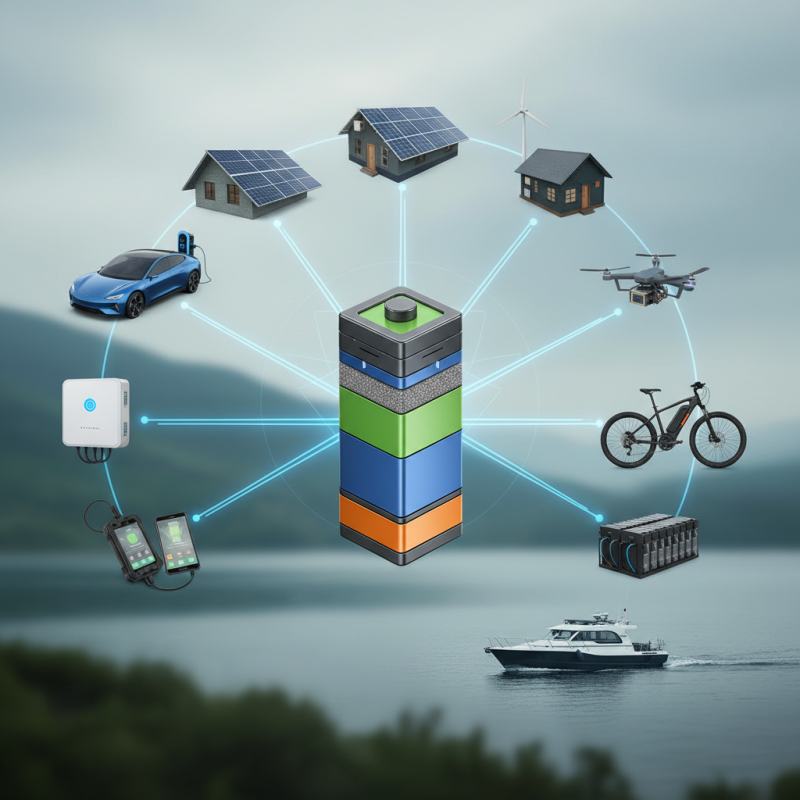
Overview of Lifepo4 Battery Technology
Lifepo4 (Lithium Iron Phosphate) battery technology has gained traction in various industries due to its unique properties. These batteries are known for their excellent thermal stability and safety. Unlike traditional lithium-ion batteries, Lifepo4 batteries pose a lower risk of thermal runaway. According to a recent industry report by Bloomberg New Energy Finance, Lifepo4 batteries can endure temperatures up to 75°C without significant performance degradation.
One notable aspect of Lifepo4 technology is its lifespan. These batteries can provide over 2000 charge cycles with minimal capacity loss. This lifespan is critical for applications such as electric vehicles and renewable energy storage. Moreover, the capacity retention over time can reach up to 80% even after extensive use. However, some reports indicate that the energy density of Lifepo4 can be lower than other lithium battery chemistries, which may limit their application in certain high-performance scenarios.
Another compelling feature is the environmental impact. Lifepo4 batteries are more sustainable than conventional lithium-ion options. They are less toxic and more recyclable. A study released by the International Renewable Energy Agency highlights that the use of iron in these batteries reduces reliance on rare materials. Yet, it's essential to continuously explore ways to improve their energy density further. Balancing sustainability with performance remains a challenge in the industry.
Key Benefits of Lifepo4 Batteries
Lifepo4 batteries, short for lithium iron phosphate, are becoming increasingly popular due to their unique benefits. These batteries are known for their long lifespan and thermal stability, making them safer compared to other lithium-ion batteries. They generally last over 2,000 charge cycles. This translates into fewer replacements and reduced waste. Additionally, they provide consistent power output, even as they discharge.
One key benefit of Lifepo4 batteries is their environmental friendliness. They are non-toxic and do not contain harmful heavy metals. This makes them a great choice for applications in electric vehicles and renewable energy systems. Users can feel more confident knowing they are making a sustainable choice.
Tips: When considering Lifepo4 batteries, assess your specific needs. Look into factors like size, weight, and energy output. Not all applications require the highest capacity. Balancing power needs with budget constraints is crucial. Additionally, proper charging practices can extend the battery's lifespan significantly.
Lastly, it's essential to recognize that Lifepo4 batteries may not perform well in extremely low temperatures. Users should prepare for potential performance issues in such environments. Understanding the limitations will aid in maximizing their benefits.
Common Applications of Lifepo4 Batteries
LiFePO4 batteries, known for their safety and longevity, have various practical applications. One widespread use is in electric vehicles. These batteries provide a stable performance and have a longer cycle life compared to other lithium batteries. Many manufacturers opt for them due to their thermal stability, reducing the risk of fires or explosions. However, the initial cost can be high, which sometimes makes adoption challenging.
Another significant application is in renewable energy systems. Many solar energy setups utilize LiFePO4 batteries for energy storage. This allows users to store excess energy generated during sunny days for use during the night. The efficiency of these batteries in terms of charge and discharge cycles makes them a suitable choice for off-grid applications. Nevertheless, potential users must consider installation costs and maintenance needs, which can be tricky for some.
In addition, LiFePO4 batteries are increasingly being used in portable power stations. These compact systems provide reliable energy for outdoor activities, such as camping or emergency backup. Their lightweight nature adds to their appeal. However, not all devices are compatible with these batteries, and users should verify this before making choices. Overall, while LiFePO4 batteries present unique advantages, challenges remain in maximizing their potential.
Comparison with Other Battery Technologies
Lifepo4 batteries, or lithium iron phosphate batteries, offer distinct advantages compared to other battery technologies. They provide a longer cycle life and enhanced safety features. These batteries have a stable chemistry that reduces the risk of overheating. In many applications, their lifespan can exceed 2000 charge cycles. Users often prefer them for renewable energy storage and electric vehicles.
When compared to lithium-ion batteries, Lifepo4 batteries stand out due to their thermal stability. Lithium-ion packs can be sensitive to overcharging. This can lead to fires or explosions. Lifepo4 batteries are less prone to these issues, making them safer choices in critical applications. However, they tend to have a lower energy density.
In contrast, lead-acid batteries are heavier and bulkier. Lifepo4 batteries are lighter, making them ideal for portable devices. Yet, they have a higher initial cost. This factor can discourage some consumers. The trade-off often involves balancing upfront expenses with long-term savings on replacement. Understanding these differences helps users make informed choices for their specific needs.
Future Trends in Lifepo4 Battery Development
The future of LiFePO4 battery development looks promising. Researchers are focusing on enhancing energy density, which is crucial for many applications. Recent studies highlight improvements in charge rates and lifespan, making these batteries more attractive for electric vehicles and renewable energy storage.
Another area of interest is recycling. With the growing demand for LiFePO4 batteries, the environmental impact of battery disposal needs addressing. Innovative recycling methods are under exploration to minimize waste and recover valuable materials. Such approaches could significantly reduce the carbon footprint of battery production.
However, challenges remain. While advancements are made, scaling up production is complex. There is a need for reliable and sustainable supply chains. Collaboration across industries may be essential to overcome these hurdles. As new technologies emerge, ongoing research will likely refine these approaches, paving the way for more efficient batteries in the future.