What is a Mechanical Parts Supplier and How to Choose One?
Selecting the right mechanical parts suppliers is crucial for businesses in various industries. With the global market for mechanical components projected to reach $500 billion by 2025, choosing the right supplier can significantly impact production efficiency and costs. Many companies struggle with sourcing quality parts, often leading to delays and increased expenses.
mechanical parts suppliers play a vital role in the manufacturing ecosystem. Their offerings can range from simple components to complex assemblies. A 2022 industry report indicated that 45% of manufacturers reported issues with supply chain disruptions. This highlights the need for reliable suppliers who can deliver consistent quality.
Finding the optimal supplier is not without challenges. Quality control, cost, and communication dynamics are areas where many companies falter. Some overlook the importance of supplier audits and relationship management. This can result in poor product quality and lost time. Businesses must reflect on their supplier choices to ensure they align with their operational goals.
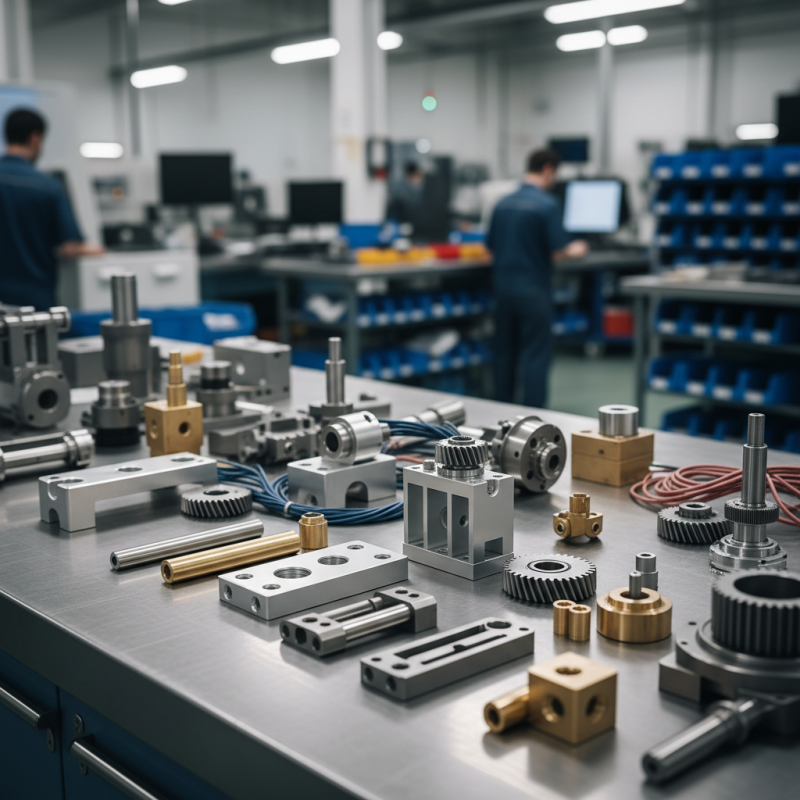
Understanding the Role of a Mechanical Parts Supplier
A mechanical parts supplier plays a crucial role in various industries. They provide essential components for machinery, vehicles, and equipment. These parts might include gears, bearings, and fasteners. Companies rely on suppliers for both quality and timely delivery. A mechanical parts supplier serves as a bridge between manufacturers and end-users.
Choosing the right supplier can be challenging. Businesses need to assess several factors. Quality control processes are vital. Suppliers should have rigorous testing and certification systems. It is also important to evaluate their inventory. A supplier with a diverse range can better meet specific project needs. Communication matters, too. Effective dialogue reduces misunderstandings and improves service efficiency.
Sometimes, even with careful selection, issues arise. Delays in delivery can happen, and not every part will meet expectations. Reflecting on past experiences can lead to better choices in the future. Building strong relationships with suppliers can also help mitigate problems. Collaboration fosters trust and flexibility, which are essential in the ever-changing industrial landscape.
Key Factors to Consider When Selecting a Supplier
When selecting a mechanical parts supplier, several key factors demand attention. Quality is paramount. You need components that meet strict standards. Look for suppliers with certifications or industry recognition. Certifications indicate a commitment to quality and reliability. However, don’t just rely on paperwork; request samples and test their products.
Supplier responsiveness is crucial. Timely communication can make a significant difference. Evaluate how quickly they reply to inquiries or resolve issues. This reflects their overall professionalism. Do they understand your needs? Are they willing to collaborate on custom solutions? These questions matter.
Consider logistics as well. Shipping times can affect your production schedule. Ask about their inventory management. Do they have the ability to scale based on your demand? It's essential to ensure they can handle fluctuations. Partnerships should be flexible yet reliable. In the end, reflective discussions with your team can help guide the final choice.
Evaluating Quality Standards in Mechanical Parts Supply
When selecting a mechanical parts supplier, quality standards are paramount. A supplier's ability to meet specifications can significantly impact your project. It's vital to evaluate their quality control processes. Look for certifications like ISO 9001, which indicates they adhere to international quality management standards. However, not all suppliers prioritize these certifications, and this can be a red flag.
One area often overlooked is the supplier's ability to provide consistent testing results. Ask about their testing procedures and equipment. A supplier should be transparent about how they ensure quality. Consider requesting samples to assess physical attributes. Keep in mind that not every supplier achieves perfect results. It’s crucial to have clear communication and set expectations early on. If there are quality issues, understand how the supplier responds and rectifies these situations. This response will give insight into their reliability and commitment to quality.
The Importance of Supplier Communication and Support
Supplier communication plays a vital role in the mechanical parts industry. A report by the Supplier Performance Measurement Association reveals that 75% of successful companies cite effective communication as a key factor. Strong communication ensures both parties understand requirements and expectations. It reduces misunderstandings and enhances collaboration, especially when discussing complex specifications.
Support is equally important. According to a study by the Institute for Supply Management, 65% of businesses experience delays due to inadequate supplier support. This reflects a gap in expectations. Suppliers must offer timely responses and assistance to avoid production hiccups. Clear communication channels can help bridge this gap.
However, not all suppliers excel in these areas. Some may struggle to provide consistent updates. Others may lack the tools for effective communication. Companies must evaluate their suppliers' support capabilities as part of their selection process. This involves asking targeted questions about their communication strategies and availability. In the end, choosing the right mechanical parts supplier requires careful consideration beyond just price points.
Case Studies: Successful Partnerships with Mechanical Parts Suppliers
Successful partnerships with mechanical parts suppliers can significantly impact business efficiency. One case study highlights a manufacturing company that improved production speed by 30% after collaborating with a reliable supplier. They streamlined inventory management and reduced lead times. According to industry reports, companies that establish strong supplier relationships see a 20% increase in operational performance.
Another example involves an aerospace firm that faced delays due to subpar parts. By switching to a qualified supplier, they minimized defects and enhanced product quality. Researchers found that 67% of businesses prioritize quality over cost when selecting suppliers. However, challenges remain. Not every supplier meets expectations. Frequent communication and feedback loops are essential to avoid pitfalls.
Investing time in supplier selection pays off, but it’s not foolproof. A supplier may seem ideal but later prove unreliable. Building a partnership requires ongoing assessment and flexibility. Gathering performance data regularly can help in making informed decisions.
What is a Mechanical Parts Supplier and How to Choose One? - Case Studies: Successful Partnerships with Mechanical Parts Suppliers
| Case Study | Industry | Parts Supplied | Supplier Location | Partnership Duration | Benefits Realized |
| Case Study 1 | Automotive | Engine Components | USA | 5 Years | Cost Reduction, Quality Improvement |
| Case Study 2 | Aerospace | Structural Parts | Europe | 3 Years | Enhanced Design Flexibility, Faster Turnaround |
| Case Study 3 | Industrial Machinery | Gear Systems | Asia | 7 Years | Increased Efficiency, Reduced Downtime |
| Case Study 4 | Consumer Electronics | Circuit Boards | North America | 2 Years | Improved Product Reliability, Cost Savings |