How to Ensure Quality in Book Printing Inspection?
Ensuring quality in Book Printing Inspection is crucial for publishers and authors alike. The printed page should reflect the vision and effort invested in the manuscript. However, the reality of book printing is often fraught with challenges.
Many factors can affect the final product. Inadequate checks can lead to issues like misaligned text or poor color reproduction. These mistakes are not just minor flaws; they can tarnish the reader's experience. Issues may arise during the printing process, from file preparation to binding. One mishap can compromise the entire project.
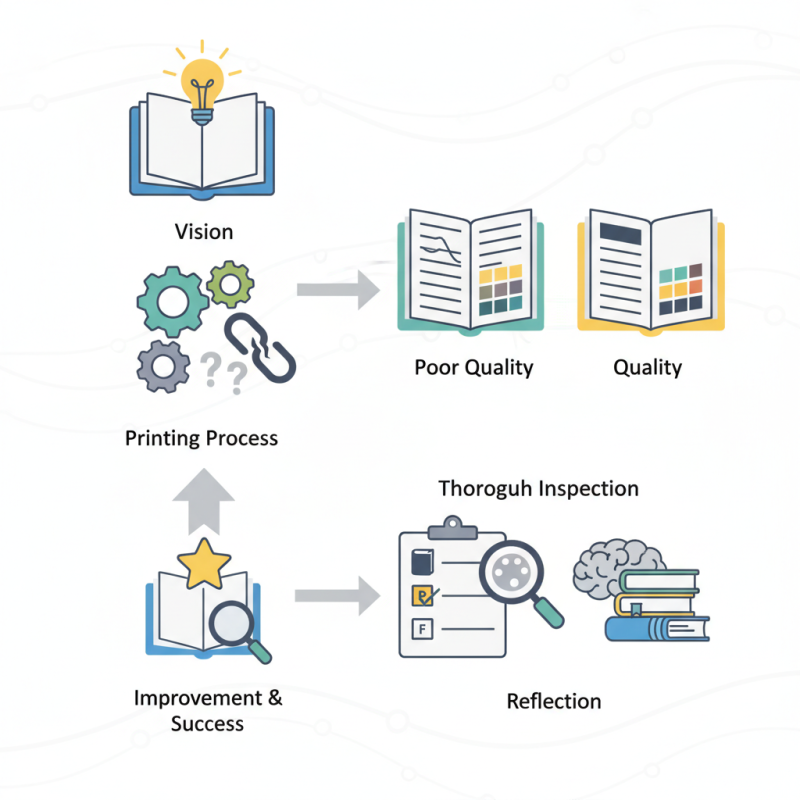
To achieve quality, a thorough book printing inspection is essential. This includes checking proofs, color samples, and final copies. It is easy to overlook small details, but they matter greatly. A single misplaced word can change a reader's interpretation. Hence, reflection on the inspection process can lead to improvement and success. Understanding these aspects is key to delivering a quality book.
Understanding the Importance of Quality in Book Printing
Quality in book printing is crucial for both publishers and readers. A well-printed book enhances the reading experience. It reflects the publisher’s commitment and professionalism. Quality issues can lead to unsellable products. Imagine receiving a book with blurry text or faded images. Such flaws damage a book's credibility.
Inspection processes are vital in ensuring that quality standards are met. Printers should conduct regular checks during production. This includes assessing paper quality, ink consistency, and binding durability. Yet, even the best systems have occasional oversights. A small error in alignment can go unnoticed until the final product emerges. This highlights the need for continuous improvement.
Understanding the importance of quality means recognizing the impact of imperfections. A slight misprint can affect a reader’s perception. Readers expect clear visuals and crisp text. Any deviation can lead to disappointment. Thus, thorough inspections can not only prevent mistakes but also build trust.
Key Elements of Book Printing Quality Inspection
Ensuring quality in book printing inspection is crucial for publishers. Key elements of this process include maintaining color accuracy, checking paper quality, and ensuring binding precision. According to industry reports, 30% of printing defects are linked to poor color management. This highlights the need for thorough color checks using calibrated systems.
Paper quality is another critical aspect. A study found that nearly 25% of print runs fail due to substandard paper. Inspectors should examine paper texture and weight closely. These physical aspects directly influence the book's durability and feel. Eye-catching covers may attract readers, but if the interior pages are poor, it diminishes overall appeal.
Binding issues often go unnoticed until too late. A survey noted that 15% of books have binding flaws that can affect usability. Inspecting spine strength and page alignment is vital. Improper binding can lead to pages falling out or misalignments, frustrating readers. Regular audits can uncover these flaws early. A proactive approach allows for corrections before full runs are completed, ultimately preserving quality and customer satisfaction.
Methods for Inspecting Print Quality Effectively
Inspecting print quality is vital for successful book printing. To ensure the final product meets expectations, a few methods stand out. Visual inspection is a common practice. This method involves checking copies for any visible defects. Look for smudges, color inconsistencies, or misalignment. Each book should be examined closely, paying attention to page edges and alignment.
**Tips:** Use natural light when inspecting prints. This can reveal issues that artificial light may hide. It’s also helpful to compare printed materials with a color reference guide. This ensures color fidelity and consistency across prints.
Another effective method is to utilize technology. Digital inspection tools can analyze print quality metrics. They may include scanning systems that detect flaws automatically. These tools can save time and enhance accuracy. However, relying solely on machines can overlook human errors that need addressing.
**Tips:** Even with technology, human oversight is paramount. Always do a final check by hand. Don’t be afraid to mark areas of concern. This will help in refining future printing runs. A balance of technology and human inspection often yields the best results.
Print Quality Inspection Metrics
Common Printing Defects and How to Identify Them
In the world of book printing, quality control is crucial. Common printing defects can significantly affect a book's appeal. These defects may include misregistration, color inconsistency, and paper quality issues. For instance, a study shows that nearly 30% of printed materials have some form of color variation that can detract from a reader's experience. Proper inspection procedures can help detect these errors early in the production process.
Identifying printing defects involves careful monitoring of several elements. Misregistration occurs when printed images or text do not align correctly. This error is often visible in images or designs that require precise alignment. Printing inspection reports indicate that this issue can lead to a perceived lack of professionalism. Color consistency is another concern. Research indicates that fluctuating color profiles can result in drastic tonal shifts, impacting the overall aesthetic.
Moreover, poor paper quality can lead to an uneven finish or inconsistent texture. Many printers report that subpar paper can be a hidden issue. Inspectors must ensure the paper's weight and finish meets the required standards. A detailed inspection routine should include checks at various stages. While defects happen, regular assessments can reveal patterns. Acknowledging recurring issues can be the key to improving overall quality.
Best Practices for Maintaining Printing Equipment and Standards
Maintaining printing equipment is crucial for quality control in book printing. Regular inspections can prevent issues that may arise during the printing process. A thorough routine check can help identify wear and tear on critical components. This can include checking rollers, ink density, and alignment. Frequent calibration is necessary as well. Even a slight misalignment can lead to significant defects.
Emphasis should also be placed on cleaning. Dust and debris can affect print quality. Cleaning machines may seem tedious, but it is necessary. Operators must be trained to recognize when a machine is not performing optimally. If they ignore warning signs, the quality of prints may suffer.
In addition, following industry standards is essential. Understanding the desired specifications for print quality is a must. However, these standards can vary. Not every print job will meet expectations. A lack of adherence to these standards can lead to inconsistent results. It's important to regularly evaluate both the equipment and the output quality. By doing so, the printing process can continuously improve.
How to Ensure Quality in Book Printing Inspection? - Best Practices for Maintaining Printing Equipment and Standards
| Inspection Criteria | Best Practices | Frequency of Inspection | Responsible Party |
| Color Consistency | Regular calibration of printers | Daily | Press Operator |
| Print Clarity | Routine cleaning of printer nozzles | Weekly | Maintenance Technician |
| Paper Quality | Verify supplier certifications | Before each print job | Quality Assurance Team |
| Finishing Techniques | Inspect binding and cutting quality | Post-production | Production Manager |