Why Choose Brown Paper for Your Packaging Needs?
In recent years, the demand for sustainable packaging solutions has surged. Businesses seek eco-friendly options to reduce their carbon footprint. Brown Paper has emerged as a popular choice in this landscape. According to a report by Smithers Pira, the global market for sustainable packaging is expected to reach $500 billion by 2027. This reflects a growing recognition of the environmental impact of packaging materials.
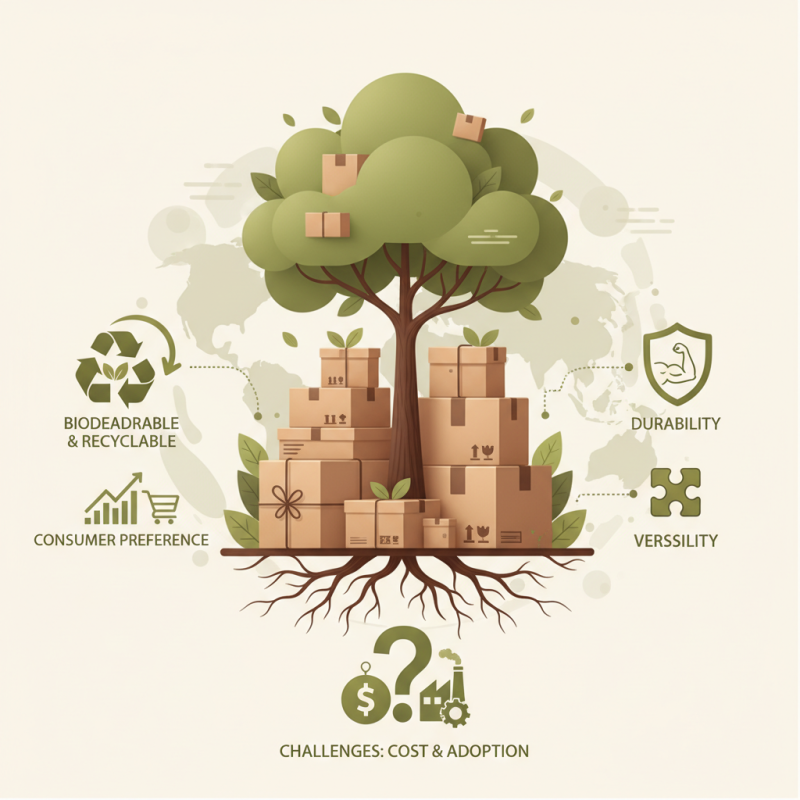
Brown paper offers several advantages. It is biodegradable and recyclable, making it a greener alternative to plastic. Many consumers prefer brands that prioritize sustainability. Research shows that 67% of consumers consider sustainable packaging an important factor in their purchasing decisions. Furthermore, brown paper provides durability and versatility, suitable for various products and industries.
However, challenges persist. Some businesses may find it difficult to switch from conventional materials. Cost and availability can also be obstacles. Evaluating these factors is essential for companies looking to adopt brown paper. As we explore the benefits of using brown paper for packaging, it's crucial to address these concerns while celebrating its advantages.
Benefits of Using Brown Paper for Packaging
Brown paper packaging offers numerous benefits that appeal to both businesses and eco-conscious consumers. It is a versatile option, ideal for a variety of products. From simple wrapping to custom boxes, brown paper adapts well. Its natural look enhances the aesthetic of items while maintaining a rustic charm. This appeal can enhance your brand’s first impression.
One major advantage of brown paper is its eco-friendliness. Made from recycled materials, it minimizes waste. This choice aligns with growing consumer demands for sustainable practices. Additionally, brown paper is biodegradable. It breaks down naturally without harmful residues. However, companies should ensure proper disposal practices to maximize these benefits.
Cost-effectiveness is another reason to choose brown paper. It is often less expensive than plastic alternatives. Businesses can reduce packaging costs significantly. Yet, the strength and durability of brown paper can be questionable in some applications. Evaluating the specific needs of your products is essential. Balancing cost, durability, and environmental impact will lead to smarter packaging decisions.
Benefits of Using Brown Paper for Packaging
Sustainability and Environmental Impact of Brown Paper
The environmental benefits of using brown paper for packaging are significant. Brown paper is made from unbleached pulp, which reduces harmful chemicals in the production process. In fact, a report by the Paper and Packaging Board indicates that recycled paper significantly cuts down carbon emissions by up to 74% compared to products made from virgin materials.
Moreover, brown paper is compostable and biodegradable. While plastic can take hundreds of years to decompose, brown paper breaks down within months, enriching the soil in the process. Research shows that 70% of consumers prefer eco-friendly packaging options, which can enhance brand loyalty. However, there are concerns about deforestation. It's essential to source brown paper responsibly. Look for certifications that ensure sustainable forestry practices.
Despite its benefits, brown paper isn't without drawbacks. It may not provide the same level of moisture resistance as plastic. Some products might require additional treatments, potentially impacting the environment. These are important considerations for businesses. Balancing sustainability with functionality is crucial. As consumers demand greener options, companies face a challenge to innovate while being mindful of their environmental impact.
Versatility of Brown Paper in Various Industries
Brown paper has gained traction across various industries due to its versatility. In the retail sector, its eco-friendly nature is appealing. Reports indicate that about 80% of businesses are shifting towards sustainable packaging options. Brown paper, made from recycled materials, meets this need effectively. It is strong yet lightweight, making it ideal for shipping. Companies can reduce their carbon footprint significantly by choosing this material.
In the food industry, brown paper is increasingly popular for packaging. It is grease-resistant, allowing it to hold various food items securely. According to recent studies, around 60% of consumers prefer products packaged in sustainable materials. This preference influences packaging decisions, as businesses aim to attract eco-conscious customers. Bakery items wrapped in brown paper also enhance visual appeal, promoting a natural and organic brand image.
However, not all brown paper is created equal. Some types may not have the necessary strength for heavy items. Businesses must choose the right grade depending on their needs. Testing different varieties can ensure durability while maintaining sustainability. Understanding these nuances can elevate packaging strategies and improve consumer satisfaction.
Why Choose Brown Paper for Your Packaging Needs? - Versatility of Brown Paper in Various Industries
| Industry | Use Case | Benefits of Brown Paper | Environmental Impact |
| Food Packaging | Wrapping and bagging | Biodegradable and safe for food contact | Sustainable sourcing |
| E-commerce | Shipping products | Customizable and durable | Recyclable |
| Crafting | Making bags, cards | Easy to cut, fold, and glue | Biodegradable |
| Retail | Shopping bags | Strong and reusable | Sustainable option |
| Stationery | Notebooks and wrapping | Textured finish and aesthetic appeal | Recyclable and eco-friendly |
Cost-Effectiveness of Brown Paper Packaging Solutions
Cost-Effectiveness of Brown Paper Packaging Solutions
Brown paper packaging has gained traction due to its cost-effectiveness. According to a 2022 study by the Paper and Packaging Board, paper packaging's market share has grown by 5% year-over-year. Businesses are increasingly turning to brown paper for its affordability. The average cost of brown paper packaging can be 30% lower than plastic alternatives. This significant saving attracts many businesses looking to reduce expenses while maintaining quality.
The versatility of brown paper is another financial advantage. It can be used for various products, from food items to electronics. This adaptability minimizes the need for multiple packaging types, further cutting costs. Also, brown paper is recyclable and biodegradable. This can lead to lower waste management fees, creating additional savings for companies.
Tips: Consider the quantity needed. Bulk purchasing can reduce costs even more. Explore local suppliers to avoid high shipping fees. Always calculate the long-term savings of sustainability. While the initial investment may seem significant, the recurring savings on disposal and replacement make brown paper a wise choice.
Comparative Analysis: Brown Paper vs. Other Packaging Materials
When considering packaging materials, brown paper stands out. It offers unique benefits compared to alternatives. This material is biodegradable and recyclable, making it an eco-friendly choice. Unlike plastic, brown paper decomposes easily. This reduces landfill waste and supports sustainability.
One significant aspect is its durability. Brown paper can withstand considerable wear and tear. It provides reliable protection for various items. However, while it may not be as water-resistant as plastic, its ability to absorb moisture makes it suitable for specific products, especially in food packaging.
Tips for choosing the right packaging:
- Assess the weight and fragility of your products.
- Consider the storage environment. If moisture is a concern, additional protective measures may be needed.
- Evaluate your customers' values. Many prefer eco-friendly options, which could influence their purchasing decisions.
Brown paper can compete well with plastic and cardboard. Understanding its characteristics can help you make informed choices. It’s essential to weigh its pros and cons for your specific needs.