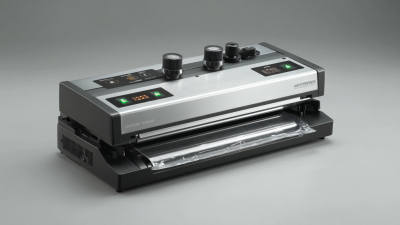
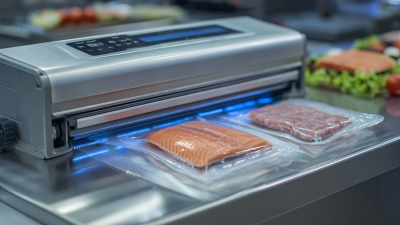
What Is a Table Top Tray Sealing Machine?
A table top tray sealing machine is a compact packaging system designed for sealing prepared trays. It usually sits on a workbench in a food production room, laboratory, or small processing facility. The operator places a filled tray into a fitted mold. The machine then aligns sealing film, applies heat, and presses the film against the tray rim. A clean seal helps protect contents from moisture, dust, and handling during distribution. Simple in principle. However, reliable results depend on careful settings and consistent preparation.
This equipment is useful for meals, fresh produce, meat products, sauces, and ready-to-eat portions. Different tray materials require different temperatures, pressures, and sealing times. A trained operator checks the tray edge before every cycle. Food residue, uneven filling, or a damaged rim can create weak points. Some models include gas flushing, cutting systems, date coding, or modified-atmosphere packaging functions. These features can extend product quality, but they do not replace hygienic production controls or suitable storage conditions.
Understanding the machine requires more than reading a product brochure. Practical evaluation should consider tray size, film compatibility, output targets, cleaning access, and operator safety. In real workplaces, small delays often come from film alignment or mold changes. That detail is easy to overlook. Manufacturers should provide clear operating instructions, maintenance guidance, and measurable sealing specifications. Buyers should also test samples under actual production conditions. No single machine suits every product, and performance claims may require closer verification. This guide explains how a table top tray sealing machine works, where it fits, and what users should examine before purchase.
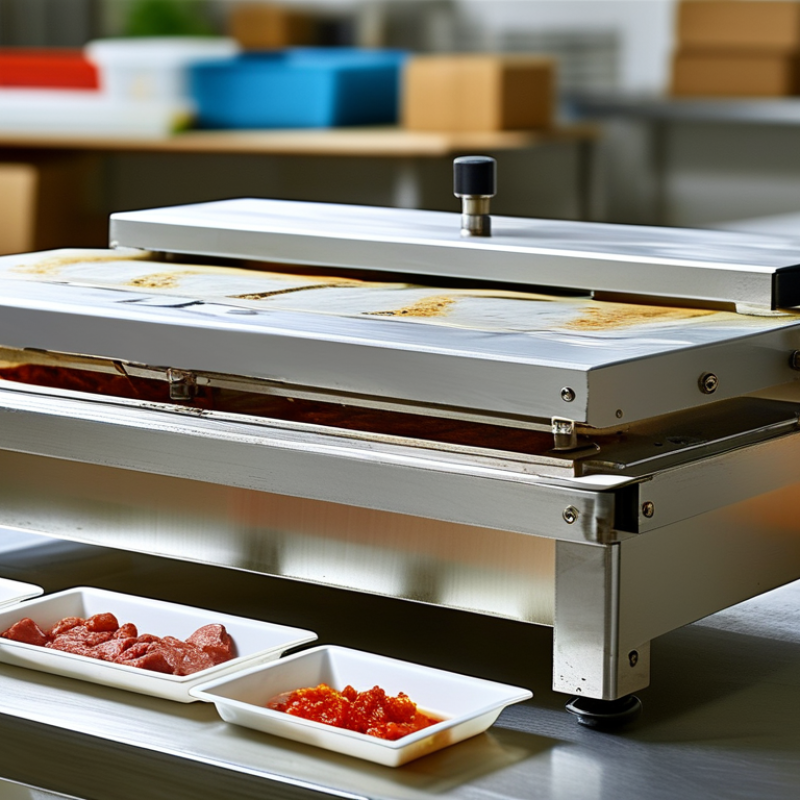
What Is a Tabletop Tray Sealing Machine?
A tabletop tray sealing machine is a compact unit that closes prepared trays with heat-sealed film. It usually sits on a worktable, not a factory production line. An operator places a filled tray into a matching die, adds film, and starts the sealing cycle. Heat and pressure bond the film around the tray rim. The finished pack may protect meals, produce, bakery items, or chilled foods from dust and moisture.
In practical use, the machine suits small kitchens, catering rooms, laboratories, and growing food businesses. Its smaller footprint saves valuable floor space. Many models allow adjustments for sealing temperature, pressure, and cycle time. These settings must match the tray material and film structure. A seal can look smooth but still fail after cooling. That detail is easy to miss.
Cleanliness matters every day. Operators should remove food residue from the sealing plate and inspect the cutting edge regularly. Film tension also needs attention. Too much tension can distort the tray flange. Too little may leave wrinkles across the seal. I have found that rushed loading causes more defects than the machine itself. Still, tabletop equipment is not automatically simple. It needs trained handling, compatible packaging materials, and routine checks. Some users expect fast output, then discover that manual tray placement limits production. That can be frustrating, but it is an important planning lesson.
How a Tabletop Tray Sealing Machine Works
What Is a Table Top Tray Sealing Machine?
How a Tabletop Tray Sealing Machine Works
A tabletop tray sealing machine seals prepared food or product trays with heat-sensitive film. Its compact frame suits small production areas, test kitchens, and packing stations. The process starts when an operator places a filled tray into a forming cavity. The tray flange must remain clean and level. Even a small sauce smear can weaken the seal.
The machine pulls film from a roll and positions it above the tray. A sensor helps control film alignment and registration. The sealing die then descends, applying pressure and controlled heat around the flange. Heat softens the film’s sealing layer, while pressure bonds it to the tray rim. A timer controls dwell time. After sealing, a cutting edge trims the film, and the die lifts.
Some models can remove air or introduce a suitable protective gas before sealing. That feature requires careful settings and compatible packaging materials. Too much heat may distort the tray or damage the film. Too little heat may create channels that permit leakage. It is not foolproof.
In practical operation, technicians check temperature, pressure, and sealing time during each product changeover. They also inspect sample seals by peeling the film and checking for an even bond. A clean, continuous seal usually indicates stable settings, but visual inspection alone cannot prove package integrity. Seal testing remains necessary, especially when trays travel far or face refrigeration.
What Is a Tabletop Tray Sealing Machine?
A tabletop tray sealing machine places a tray into a forming die, positions a lidding film over the tray, removes or replaces the air when required, applies heat and pressure to create a hermetic seal, and then cuts the film around the tray.
Typical sealing temperature ranges by tray and lidding-film combination
These representative temperature ranges show why the machine must be adjusted according to the tray material and the heat-sealing layer of the film. Actual settings depend on film construction, tray design, dwell time, pressure, and equipment configuration.
How a Tabletop Tray Sealing Machine Works
- Tray loading: The filled tray is placed into the machine’s sealing die.
- Film positioning: A roll of lidding film is advanced and aligned over the tray.
- Optional atmosphere control: Air may be removed and replaced with a selected gas mixture for modified-atmosphere packaging.
- Heat and pressure application: The heated sealing plate presses the film against the tray flange until the sealant layer bonds.
- Film cutting: The machine trims the film around the tray, producing a finished sealed package.
- Unloading: The sealed tray is removed and inspected for seal continuity, alignment, and cleanliness.
Key Components and Sealing Methods
A tabletop tray sealing machine is a compact unit for closing preformed trays with lidding film. Its key components include a heated sealing plate, tray die, film holder, cutting blade, temperature controller, and control panel. Many models also use sensors to check tray position and film alignment. In practice, a clean die matters as much as heating power. Small food particles can create weak edges.
The sealing method depends on product sensitivity and shelf-life targets. Heat sealing bonds the film to a compatible tray rim and suits many fresh foods. Vacuum sealing removes air before the film is applied. Modified atmosphere packaging adds selected gases, helping protect appearance and texture.
A 2024 report from Future Market Insights estimates the tray sealing machine market will grow at about 5.4% annually through 2034. That growth reflects demand for portion control, safer handling, and compact automation.
Operating details still require judgment. Film temperature, dwell time, and pressure must match the tray material. Excessive heat can distort the rim. Insufficient pressure may cause leaks. PMMI’s 2024 packaging machinery outlook identifies labor shortages and automation as continuing investment drivers. Yet automation is not a cure-all. Operators should test seal strength, inspect corners, and record changes during production. The weak point is often overlooked.
Common Applications and Compatible Tray Materials
A table top tray sealing machine seals a film lid onto a preformed tray. Its compact design suits small food producers, test kitchens, cafés, and short production runs. Operators place each tray into a die, add the lidding film, and start the sealing cycle. The machine applies controlled heat, pressure, and dwell time.
Common applications include ready meals, cut fruit, fresh vegetables, bakery portions, deli foods, and takeaway dishes. Sealed trays can reduce spills and improve shelf presentation. Some operations also use suitable films for modified-atmosphere packaging. Product temperature, moisture, and fill height affect the result. A wet rim can weaken the seal.
Compatible trays often include polypropylene, polyethylene-coated paperboard, PET, and certain multilayer structures. The tray and film must have matching seal layers. Compostable or fiber-based trays may require dedicated coatings and different settings. Never assume material compatibility.
In practical testing, PP trays usually provide consistent heat-sealing performance. PET trays can offer good stiffness and visibility. Paperboard trays feel more natural but may need careful pressure control. Aluminum trays tolerate heat well, yet their rigidity can demand accurate tooling. The first setting is rarely perfect. We check seal strength, wrinkles, leaks, and film cutting after several cycles. Small adjustments matter. A higher temperature is not always better. Excess heat can distort the tray or damage the film. Reliable results come from documented trials, clean sealing rims, and routine inspection.
How to Choose and Operate the Right Machine
Choosing a table top tray sealing machine starts with the tray, not the machine. Measure its length, width, depth, and rim flatness. Then match the sealing plate, film type, and heating range. According to PMMI’s 2023 State of the Industry report, U.S. packaging machinery shipments reached about $10.2 billion in 2022, reflecting strong investment in automation and packaging efficiency. Yet higher output is not always better. A small kitchen, limited power supply, or frequent product changes may favor a compact manual unit.
During operation, allow the machine to reach its stated temperature before sealing. Keep the tray rim dry and free from food particles. Set dwell time and pressure according to the film supplier’s guidance, then inspect the first sealed tray. Look for wrinkles, channels, weak corners, or film lifting. A perfect seal on one tray does not prove process stability. That assumption is easy to make—and wrong. Record temperature, sealing time, product type, and inspection results. These simple records support traceability and help identify gradual heater or pressure problems.
Tips: Choose adjustable controls, removable sealing parts, and easily cleaned surfaces. Run a short trial with your real trays and film before purchasing. Check the seal after cooling, not only when it is warm. The 2023 Food Packaging Forum review highlights that packaging performance depends on material compatibility and intended use. Operators should also follow applicable food-safety procedures, including hygiene controls and documented cleaning. Small mistakes matter. A reliable machine still needs disciplined operation.