10 Tips for Using a Vacuum Packer to Preserve Food Freshness and Flavor
In the modern kitchen, preserving food freshness and flavor has become easier and more efficient with the advent of technology. A vacuum packer stands out as an essential tool for those interested in extending the shelf life of their ingredients. As food preservation expert Dr. Lisa Johnson aptly states, “There is no better way to lock in flavor and prevent spoilage than using a vacuum packer.” Her insights highlight the advantages of vacuum sealing, which not only safeguards food from oxidation and freezer burn but also helps in retaining nutrients.
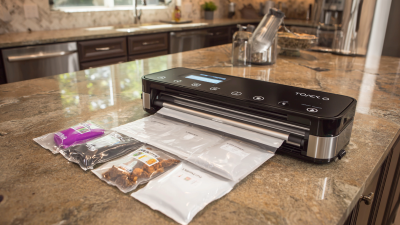
Using a vacuum packer effectively can transform the way we store food, making it easier to plan meals and reduce waste. The process of vacuum sealing removes air from bags and containers, creating an airtight environment that inhibits the growth of bacteria and molds. This method is particularly useful for sous vide cooking, where the precise control of temperature combined with vacuum sealing enhances both flavor and texture. In this guide, we will explore ten valuable tips for utilizing a vacuum packer, ensuring that your culinary creations remain as vibrant and delicious as the day you prepared them. Whether you are a seasoned chef or a home cook, mastering this technique will elevate your food preservation game and expand your culinary possibilities.
Understanding the Basics of Vacuum Packing for Food Preservation
Vacuum packing has become an essential method in food preservation, providing a solution to extending the shelf life of a wide variety of foods. By removing air from the packaging, vacuum sealing significantly slows down the growth of aerobic bacteria, molds, and yeast, all of which thrive in oxygen-rich environments. According to a study published by the National Center for Home Food Preservation, vacuum packaging can prolong the freshness of dry foods by 30-50% compared to traditional storage methods. This process not only preserves food but also helps retain its nutritional value, flavor, and texture.
Understanding the basics of vacuum packing involves recognizing how the process works at a molecular level. When food is vacuum sealed, the absence of oxygen minimizes oxidation and enzymatic reactions, which are responsible for spoilage. The USDA reports that vacuum-packed refrigerated meats can last up to 4 times longer than those stored in traditional packaging. Furthermore, the vacuum sealing process is versatile, allowing for the preservation of both solid and liquid foods, making it an invaluable technique for anyone looking to reduce food waste and save money. Embracing this method can lead to a more sustainable kitchen environment, enhancing meal prep efficiency while ensuring that fresh produce and cooked meals maintain their original flavor profiles for extended periods.
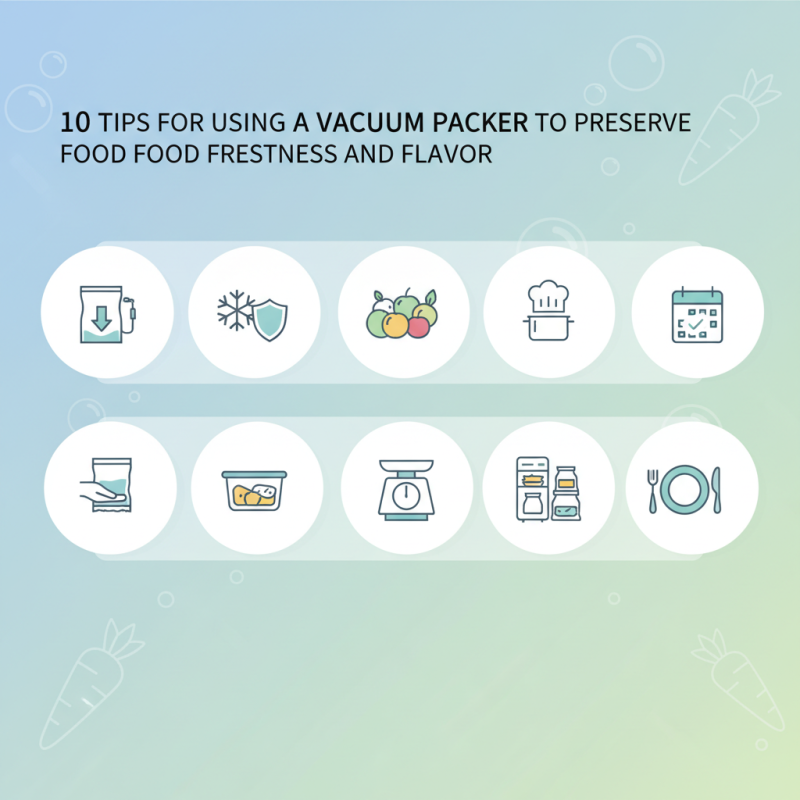
10 Tips for Using a Vacuum Packer to Preserve Food Freshness and Flavor
| Tip Number |
Tip Description |
Benefit |
| 1 |
Choose the right bags |
Prevents air leaks and improves vacuum seal |
| 2 |
Use the pulse setting for delicate items |
Prevents crushing of soft food items |
| 3 |
Label and date packages |
Easier tracking of food freshness |
| 4 |
Pre-freeze items that contain liquid |
Avoids liquid from being sucked into the vacuum sealer |
| 5 |
Do not overfill bags |
Ensures a tight seal without any obstruction |
| 6 |
Use vacuum packing for marinating |
Enhances flavor infusion and reduces marinating time |
| 7 |
Vacuum pack non-food items |
Protects items like important documents and electronics |
| 8 |
Consider using a vacuum canister |
Great for storing dry goods like nuts and grains |
| 9 |
Store food properly after vacuum packing |
Extends overall shelf life and freshness |
| 10 |
Regularly check vacuum seals |
Ensures quality and safety of stored food items |
Choosing the Right Vacuum Packer for Your Needs
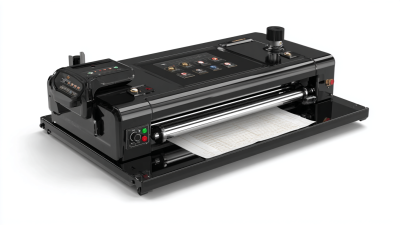
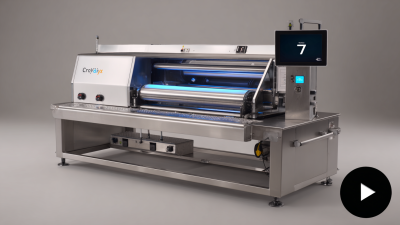
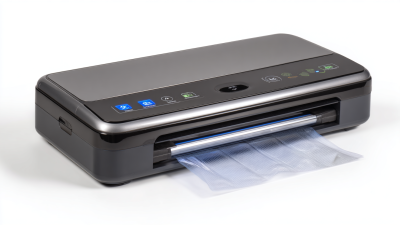
When it comes to choosing the right vacuum packer for your needs, understanding the various types available is essential. There are two main categories: external vacuum sealers and chamber vacuum sealers. External sealers are compact and ideal for home use, as they are generally more affordable and user-friendly. They work by sucking the air out of a bag before sealing it, making them suitable for shorter storage periods. On the other hand, chamber vacuum sealers are more versatile and effective for long-term storage. They work by placing the entire bag inside a chamber to remove air, ensuring a secure seal that is less likely to let air back in over time.
Additionally, consider the size and capacity of the vacuum packer based on your storage needs. If you regularly preserve large quantities of food, investing in a machine with a higher capacity will save you time and effort. Another important factor is the sealing mechanism; some machines offer adjustable settings for different types of foods, such as dry items or moist foods. Furthermore, features like built-in roll storage, cutter, and an easy-to-clean surface can enhance your user experience, making the food preservation process more efficient and enjoyable. By carefully evaluating these aspects, you can select a vacuum packer that aligns with your specific goals and cooking habits.
Step-by-Step Guide to Vacuum Packing Different Food Types
Vacuum packing is an excellent method for preserving the freshness and flavor of various food types. When it comes to different items, the approach can vary slightly to ensure optimal results. For meat and fish, it's crucial to trim any excess fat and pat them dry to avoid moisture buildup, which can lead to spoilage. Position the items in the vacuum bag without overcrowding, allowing the heat to circulate evenly during the sealing process. Once packed, store these items in the freezer for long-term preservation, which helps maintain their quality and flavor.
Fruits and vegetables require a different approach. It’s often recommended to blanch vegetables briefly before vacuum packing, as this helps to preserve color, texture, and nutrients. For fruits, slicing them and adding a sprinkle of lemon juice can prevent browning. When sealing, make sure to remove as much air as possible to prevent freezer burn. For items like herbs, chopping and packing them in ice cube trays before vacuum sealing can create convenient portions for future use, allowing you to enjoy the garden-fresh flavor year-round. By following these tailored steps for each food type, you can effectively extend their shelf life while retaining their natural taste and nutrients.
Common Mistakes to Avoid When Using a Vacuum Packer
When using a vacuum packer to preserve food, it’s essential to avoid common mistakes that can compromise food safety and quality. One prevalent error is not properly sealing the bags. According to research from the Institute of Food Technologists, improper sealing can lead to air pockets that allow bacteria and mold to grow, reducing the longevity of the stored food. Ensuring that the bags are free of moisture and debris before sealing is crucial, as these contaminants can prevent a complete vacuum, leading to spoilage.
Another mistake to dodge is overpacking the vacuum bags. Overfilling can cause the machine to have difficulty creating a tight seal, as it may not have enough space to remove all the air. The USDA emphasizes that vacuum sealing works best when foods are laid flat and arranged in a single layer, allowing for even packaging and preservation. Additionally, neglecting to allow for food expansion during freezing can lead to burst bags and waste; proper accommodation should be made, especially for liquids and items that may expand upon freezing.
By being aware of these pitfalls, users can maximize the effectiveness of their vacuum packers, leading to longer-lasting freshness and flavor in their food.
Best Practices for Storing Vacuum-Sealed Foods for Optimal Freshness
When it comes to preserving food freshness and flavor, vacuum sealing is a game changer. The key to maintaining the quality of vacuum-sealed foods lies in understanding the best practices for storage. One essential tip is to choose the right storage environment. Keep vacuum-sealed bags in a cool, dark place to thwart any potential growth of bacteria. Additionally, storing them in a temperature-controlled space, such as a pantry or refrigerator, ensures that the food remains at an optimal temperature, minimizing spoilage.
Another vital point to consider is the correct handling of vacuum-sealed items. Always ensure that your hands are clean before handling the bags to prevent contamination. Moreover, avoid puncturing the bags or exposing them to sharp objects that could compromise the seal. If you plan to freeze items, make sure to leave enough space at the top of the bag for expansion as liquids freeze. This helps to maintain the integrity of the seal and keeps your food fresher for longer.
Lastly, label your vacuum-sealed foods with the date they were sealed. This habit not only helps in tracking the freshness but also assures that older items are used first, reducing food waste. By following these practices, you'll not only enhance the longevity of your vacuum-sealed foods but also enjoy optimal freshness and flavor in your meals.