Top 10 Poultry Slaughtering Equipment Manufacturers Worldwide
Poultry processing lines rely on coordinated machinery, not one impressive machine. poultry slaughtering equipment can include systems for stunning, bleeding, scalding, defeathering, evisceration, and chilling. Each stage affects product quality, operating efficiency, and hygiene. A line may run for hours, so small delays can quickly become costly. A worn shackle or poorly adjusted plucker can disrupt the rhythm.
This overview introduces ten manufacturers serving markets around the world. It considers practical factors such as equipment range, automation options, production capacity, maintenance access, and technical support. Clear specifications matter. So does the availability of spare parts when a line stops unexpectedly. No single ranking suits every processor: a compact facility and a high-volume plant may need very different solutions. Published capacities also depend on bird size, line configuration, and operating conditions. That detail is easy to overlook.
Manufacturer claims should be checked against documented specifications, installation references, and the buyer’s own production requirements. Local service coverage can be as important as headline throughput. This guide offers a starting point, not a substitute for site assessment or direct technical review. Some comparisons will remain imperfect because companies disclose different levels of detail. Readers should treat that limitation seriously. A careful shortlist, followed by questions about sanitation, training, and lifecycle costs, can lead to a more informed decision.
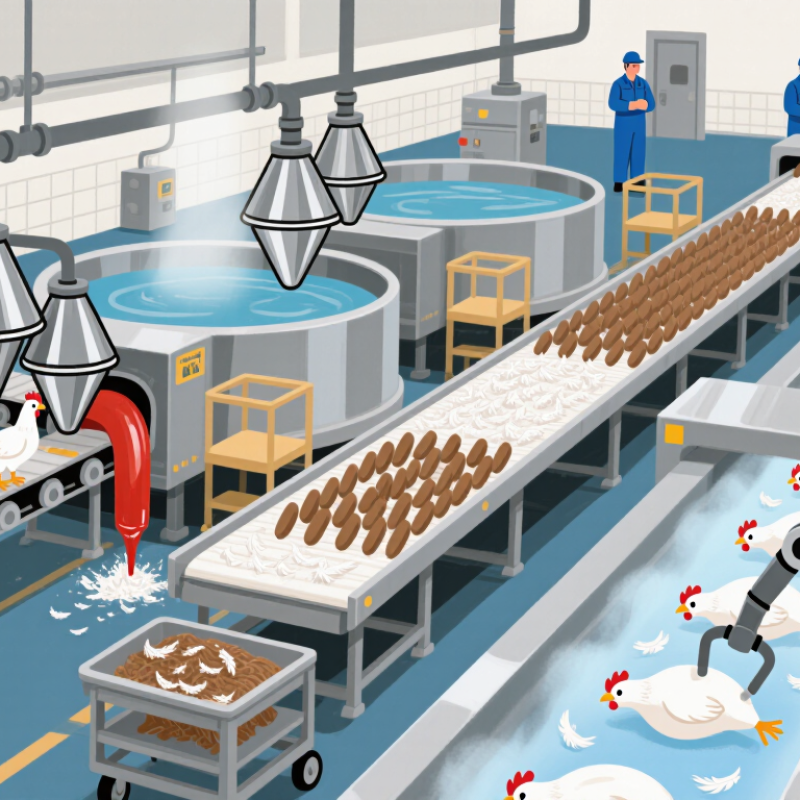
How Poultry Slaughtering Equipment Manufacturers Are Evaluated
Evaluating poultry slaughtering equipment manufacturers requires more than comparing quoted line speeds. Buyers should examine how machines handleuneven bird sizes, wet floors, and routine stoppages. Ask for throughput data measured under conditions similar to the intended plant, not only during ideal demonstrations. Stainless steel grades, weld quality, drainage, and access for cleaning affect daily operation. Small details matter.
A thorough review also considers process control, operator safety, spare-part availability, and staff training. Request clear maintenance schedules and technical documentation, then check whether service support can respond within a practical timeframe. If possible, inspect equipment running in a working facility. Watch for difficult-to-reach surfaces, vibration, and delays between stations. No checklist captures every shift. That gap deserves attention.
Manufacturers should explain how performance claims were tested and what assumptions shaped them. Compare warranties and installation plans alongside purchase price; the cheapest offer may require more downtime later. Ask how equipment can be adjusted as production needs change. A polished presentation is useful, but it cannot replace evidence from real operating conditions. Do not overlook operator feedback.
Key Stages and Equipment in Poultry Processing
Poultry processing depends on coordinated equipment, not one fast machine. After birds arrive, conveyors and shackles guide them through each station. A controlled stunning system and an automated cutting station support consistent handling. Operators still need to watch for uneven positioning. Small errors travel down the line.
Scalding tanks loosen feathers before rotary pickers remove them with flexible fingers. Water temperature and exposure time affect both feather removal and skin condition. Too much heat can damage the surface; too little leaves work for trimming staff. Evisceration equipment then opens the carcass and removes internal organs, while inspection points allow workers to identify problems. Clean water matters. Equipment must also be cleaned and checked between production runs, since residue can hide in joints and moving parts.
Carcasses move through a washing stage and into a chilling system, such as an immersion chiller or air-chilling tunnel. Chilling equipment needs to bring product temperature down reliably, without overcrowding or uneven airflow. That sounds straightforward, but small differences in load and spacing can affect performance. Grading scales and portioning machines help sort products by weight and cut, while packaging equipment seals and labels them for storage or transport. The most useful line is not always the fastest one; it is the one staff can monitor, clean, and adjust when real conditions differ from the plan.
Top 10 Poultry Slaughtering Equipment Manufacturers Worldwide
A worldwide comparison of the top 10 poultry slaughtering equipment manufacturers should look beyond production speed. A line may include shackles, scalding tanks, defeathering machines, evisceration stations, and chilling systems. Each stage must work smoothly with the next. Even small changes in bird size or line speed can affect handling and product consistency.
Useful manufacturers offer equipment suited to a plant’s actual capacity, floor space, and maintenance skills. Inspect stainless-steel welds, access panels, spray nozzles, and the ease of cleaning hard-to-reach areas. Ask how quickly common wear parts can be supplied, and whether technicians can train operators on site. Details matter. A polished brochure cannot show how a machine performs during a difficult shift.
A fair top-10 assessment should compare documented performance, service support, spare-parts access, and the ability to integrate equipment into existing lines. References from plants with similar volumes are more useful than broad claims. No ranking is perfect. Local operating requirements also differ, so buyers should verify specifications independently. It is easy to overvalue speed; uptime and careful maintenance may matter more over the long term.
Technologies and Services Offered by Leading Manufacturers
Leading poultry slaughtering equipment manufacturers provide more than individual machines. They design connected systems for bird handling, stunning, scalding, defeathering, evisceration, chilling, and product transfer. A well-matched line can reduce bottlenecks and limit unnecessary handling. The right setup depends on processing volume, building layout, staffing, and the products being made.
Small details matter. For example, adjustable conveyor speeds help operators coordinate work between stations, while accessible washdown areas make routine cleaning easier. Sensors and control panels can track temperatures, line speeds, and equipment status. These tools are useful only when staff understand the readings and respond consistently. Training, installation support, spare-parts planning, and scheduled maintenance are therefore important services, not optional extras.
Some manufacturers also assess existing facilities and recommend upgrades in stages. This can help a processor avoid replacing equipment that still performs well. Reliable technical support matters when a worn bearing or misaligned belt threatens to stop production. A brochure rarely reveals how quickly help will arrive. Buyers should ask for practical service details and clear operating guidance. Even advanced automation has limits; careful observation by experienced staff remains essential.
How to Compare Manufacturers for Different Processing Needs
When comparing poultry slaughtering equipment manufacturers, start with the plant’s actual processing profile, not a headline capacity. Estimate birds per hour, average weight, shift length, and product mix. A compact line for whole birds may need different scalding, defeathering, and chilling settings than a high-volume cut-up operation. Check whether equipment dimensions fit existing floor space, drainage, and utilities. A fast line is not useful if workers cannot safely reach routine inspection points.
Tips: Ask each supplier for a process-flow drawing, stated capacity assumptions, and utility loads. Request a sample acceptance test using your target bird size. Compare changeover time, water use, cleaning access, spare-parts lead times, and operator training. Keep answers in one comparison sheet. Small differences matter.
Ask for references from plants with similar output and product requirements, then verify performance with measurable records. Look beyond purchase price: installation support, commissioning, maintenance intervals, and local service coverage affect downtime. Clarify what is included in warranties and which wear parts are excluded. Request hygienic design details, such as smooth welds, accessible bearings, and drainage without standing water. Numbers may look precise, yet results shift with bird variation and team experience. I would leave room for that uncertainty rather than choosing on brochure figures alone.