

China’s coating powder suppliers serve demanding markets, from appliance panels and aluminum profiles to automotive components. Their role is not simply to offer a low price. Buyers need stable color, dependable curing, and consistent batches. Small differences matter. A shade shift can stand out across an entire production line.
Grand View Research’s Powder Coatings Market Size, Share & Trends Analysis Report estimated the global market at about USD 13.1 billion in 2023 and projected continued growth through 2030. Its analysis identifies Asia Pacific as a major regional market. These figures indicate broad demand, but they do not rank individual Chinese manufacturers or verify their production claims. That distinction matters.
This guide examines how to identify leading suppliers using practical evidence: product range, quality-control procedures, technical documentation, export experience, and responsiveness to sample requests. Buyers should also ask about resin systems, curing schedules, and performance under their actual operating conditions. A polished website is not enough. Nor is a long catalog. Some supplier claims can be difficult to compare, and public information may leave gaps. That is worth noting. The strongest shortlist comes from checking specifications, requesting representative samples, and confirming that test results match the intended application. With those checks in view, “top” means more than market visibility; it means a supplier can deliver suitable Coating Powder consistently and support the buyer after the order.
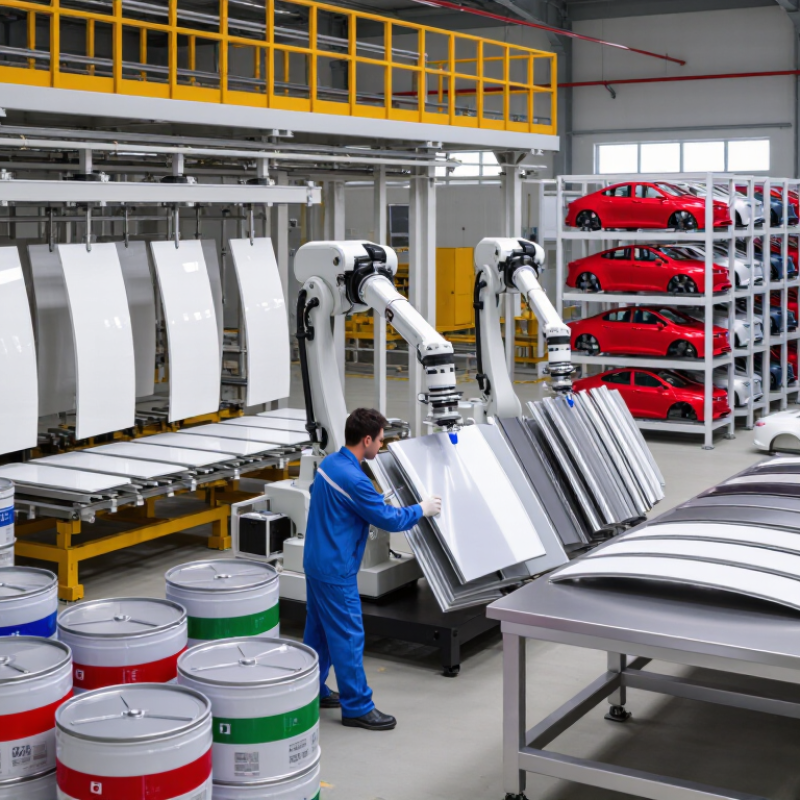
Powder coating is a dry finishing process that applies finely ground resin and pigment to a surface. In common electrostatic spraying, charged powder clings to a grounded metal part. The coated part then enters an oven, where heat melts and cures the powder into a continuous film. No solvent is needed in the coating itself. The finish can be smooth, textured, glossy, or matte.
It is widely used on metal furniture, shelving, tools, appliances, bicycle frames, and architectural components. Outdoor railings and garden equipment often need coatings designed for weather and sunlight. Indoor cabinets may prioritize color consistency and resistance to scratches. Details matter: sharp edges, corners, and recessed areas can receive uneven coverage if the part is poorly prepared or sprayed. A neat surface is not guaranteed.
For buyers comparing coating powder suppliers in China, technical data sheets and sample tests are more useful than color charts alone. Ask about cure schedules, intended use, and batch consistency. Then test the powder on the actual substrate and inspect adhesion, color, and coverage after curing. It can still be imperfect. Powder coating also needs heat, so it may not suit heat-sensitive materials, and damaged areas can be harder to touch up invisibly. A small trial helps reveal these limits before production.

China’s leading powder-coating suppliers are best judged by consistent quality, formulation range, and technical support—not output alone. That distinction matters. The China National Coatings Industry Association’s 2023 industry review estimates domestic powder-coating output at about 2.3 million tonnes. This indicates a substantial supply base, but does not mean every producer offers the same performance. Grand View Research estimated the global powder-coatings market at USD 13.3 billion in 2023 and identified Asia Pacific as its largest regional market. Demand is strong across sectors, yet supplier comparisons can be difficult because product mix and reporting methods vary.
For buyers, useful checks include batch-to-batch color consistency, documented tests for adhesion and corrosion resistance, and clear technical data sheets. Ask suppliers for sample panels matching the intended substrate and curing conditions. A smooth finish on a showroom sample proves little if production-line results vary. Look, too, for support with pretreatment, film thickness, and oven settings. These details affect appearance and durability. Capacity and delivery records matter, but should be verified against the buyer’s order size and schedule. No single ranking fits every project; a supplier strong in architectural finishes may not suit demanding industrial applications. Even published figures deserve a second look.
Chinese coating powder suppliers serve several industries with products tailored to different parts and operating conditions. Polyester powders are common on outdoor aluminum profiles, where weather resistance matters. Epoxy-polyester blends suit appliance panels and indoor metal furniture. Epoxy grades protect pipes, tanks, and industrial equipment from corrosion. Some suppliers also offer polyurethane or acrylic powders, textured finishes, and electrical-insulation coatings. The right choice depends on the substrate, curing temperature, desired appearance, and production speed.
Demand spans construction, appliances, automotive components, and general manufacturing. Grand View Research estimated the global powder coatings market at about US$15.8 billion in 2023 and projected a 5.4% compound annual growth rate from 2024 to 2030. That growth reflects demand for durable finishes and efficient application, though the figure covers the global market, not China alone.
In practice, a coating that works well on a window frame may not suit a brake component. “Outdoor grade” on a product sheet is not a complete specification.
Tip: Ask for a test panel using your actual substrate and curing schedule. Check film thickness, adhesion, gloss, and color after curing. Small differences matter.
Chinese coating-powder suppliers differ less by catalogue size than by process control, testing depth, and application support. The China National Coatings Industry Association reported 35.77 million tonnes of total coatings output in 2023. That figure covers all coating types, not powder coatings, but shows the scale of China’s wider manufacturing base. That matters. Buyers should still verify powder-specific production records, batch traceability, and consistency between sample panels and repeat orders.
Capability becomes visible in the details. Ask for documented cure windows, recommended film thickness, and test results for adhesion, gloss, and corrosion resistance. Cross-cut adhesion testing under ISO 2409 and salt-spray testing under ASTM B117 can help compare suppliers, provided test conditions match the intended use. A capable technical team can explain why a textured finish changes flow, or why a thick steel part needs a different oven cycle. Request recent batch data, not only a polished sample. Smaller suppliers may offer flexible colour matching, while larger plants may provide stronger automation and capacity; neither guarantees better performance. I would also check how the supplier handles failed batches, since this is often less visible than its showroom panels.
A standardized adhesion test is one practical way to compare coating performance across suppliers. The chart shows ASTM D3359 Method B rating thresholds, not company-specific results.
Higher ratings indicate better adhesion: 5B corresponds to no coating removal, while 0B indicates removal of more than 65% of the test area. The 100% bar marks the chart scale endpoint; actual supplier performance must be confirmed using consistent testing and product specifications.
When evaluating coating powder suppliers in China, compare more than price and color charts. Request a current technical data sheet, safety information, and a batch-specific certificate of analysis. Check key details such as resin type, gloss range, particle size, recommended film thickness, and curing conditions. Then test a sample on the same metal parts and production line you use. Record coverage, flow, adhesion, and color under consistent lighting. Ask for evidence. A glossy sample alone proves little.
Review how the supplier controls production consistency. Ask how batches are identified, retained, and checked before shipment. Request recent test records, and confirm whether the supplier can provide a larger trial quantity without changing the formulation. Small details matter. Packaging, moisture protection, lead time, and clear responses can affect results as much as the powder itself. Compare quotations using the same specifications and delivery terms. In practical sourcing, a low price can become costly if rework or delayed shipments follow. One point buyers sometimes overlook: a supplier may answer every question confidently, yet still need time to provide reliable records. Check the documents, test the material, and leave room for a second review.

