

Top Fava Bean Protein Peptides Suppliers for Global Buyers

Fava Bean Protein Peptides are gaining attention among food, nutrition, and ingredient buyers seeking plant-based options with clear technical specifications. Yet supplier selection involves more than comparing price per kilogram. Buyers need to understand how peptides are produced, what their intended applications are, and whether the supporting documentation matches the product offered. Details matter.

A dependable supplier should provide a current certificate of analysis, including protein content and relevant product specifications. Ask for an amino acid profile, allergen information, batch identification, and details about testing methods. These records help teams compare samples with commercial shipments, not just attractive product sheets. Packaging and shipping conditions also deserve attention: moisture barriers, storage guidance, and delivery timelines can affect quality and planning. For international orders, confirm that labels and documents meet the requirements of the destination market.

This overview of top Fava Bean Protein Peptides suppliers is intended to help global buyers ask more informed questions. It considers product consistency, technical support, communication, and the clarity of available documentation. A polished website is useful, but it cannot replace a sample review or direct discussion with a supplier’s technical team. Not every quote tells the full story. Specifications may differ by grade, process, or intended use, so comparisons should be made carefully. Supplier rankings can also become outdated as products and service levels change. Treat them as a starting point, then verify current details before making a purchasing decision.
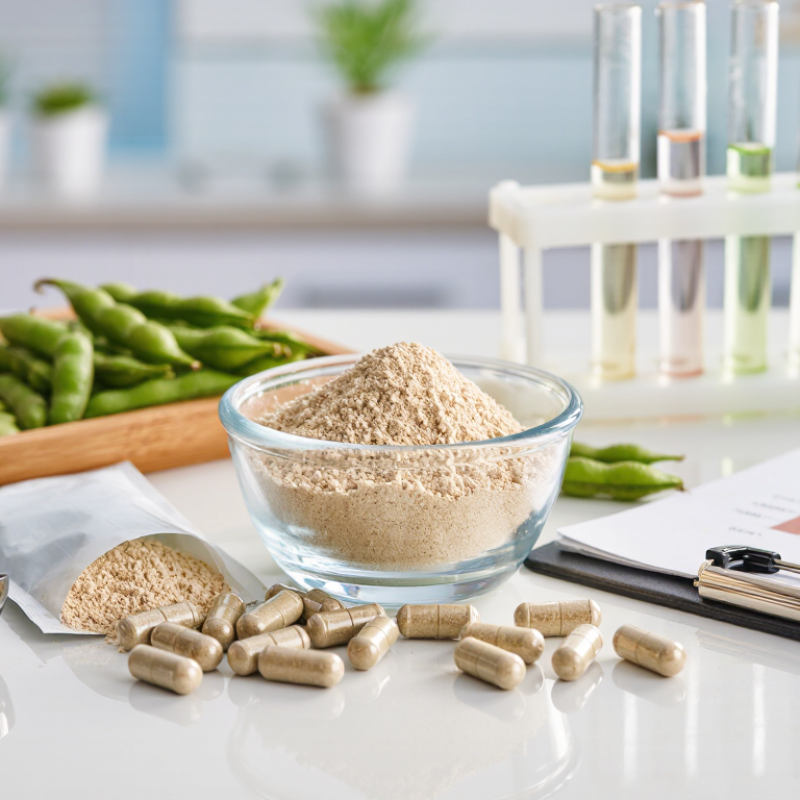
Top Fava Bean Protein Peptides Suppliers for Global Buyers

What Fava Bean Protein Peptides Are and How They Are Made

Fava bean protein peptides are short chains of amino acids released from fava bean protein. Their smaller structure can improve dispersibility and processing performance in beverages, nutrition powders, and food formulations. Peptides are not magic powders. Their properties depend on amino acid sequence, molecular weight, purity, and processing conditions.

Production usually begins with cleaned, dehulled beans. The beans are milled into flour before water-based extraction separates protein from starch and fiber. Filtration and concentration create a protein-rich fraction. Food-grade enzymes then hydrolyze the protein into smaller peptide chains. Manufacturers control temperature, pH, enzyme dosage, and reaction time. The liquid is later heated to stop enzymatic activity, filtered again, and spray-dried into a stable powder.

Quality can vary between suppliers. It can vary noticeably. Different bean varieties, harvest conditions, and enzyme systems affect flavor, solubility, and peptide distribution. A reliable supplier should provide batch specifications, protein content, moisture, microbiological results, heavy metal testing, and allergen statements. Buyers should also examine sensory data, because a mild earthy or beany note may remain after processing. No process is perfectly neutral. Higher hydrolysis may improve solubility, yet it can create bitterness. Lower hydrolysis may preserve a softer flavor, but performance can weaken. Careful application testing remains necessary before global-scale purchasing.

Key Product Specifications Buyers Should Understand

Top Fava Bean Protein Peptides Suppliers for Global Buyers

Key Product Specifications Buyers Should Understand

Global buyers should examine more than the protein percentage. A reliable fava bean peptide specification should state protein content, moisture, ash, and testing methods. Confirm whether values use a dry basis or an as-is basis. This small detail can change purchasing decisions.

Molecular weight distribution is equally important. Smaller peptides may dissolve faster in beverages, while larger fractions can support texture. Ask for the percentage below the stated molecular-weight range. Solubility data should include temperature, pH, dosage, and mixing time. A powder that dissolves in warm water may perform poorly in a cold shake. Test it under real production conditions.

The certificate of analysis should cover microbiological limits, heavy metals, allergens, and residual processing chemicals. Buyers should also request amino acid data and information about enzymatic processing. Processing conditions can affect taste, color, and peptide stability. A clean, mild flavor matters in nutrition products. It is often overlooked.

Batch consistency deserves close attention. Compare at least two or three production batches, not one attractive sample. Check particle size, bulk density, packaging material, shelf life, and storage temperature. Traceability should connect each lot to its raw material origin and production date. A specification sheet is useful, but it is not proof by itself. Independent verification may expose gaps. Some buyers focus too heavily on headline protein content and regret ignoring dispersibility.

Top Fava Bean Protein Peptides Suppliers for Global Buyers: Key Product Specifications

Example procurement screening benchmarks for comparing product specifications—not universal requirements or supplier-specific test results.

How to read: Bars show the numeric percentage thresholds; the direction matters. Protein content is a minimum, moisture and ash are maximums, and degree of hydrolysis is shown at the midpoint of an illustrative 10–20% range. Confirm each supplier’s specification, analytical method, and certificate of analysis before comparing products.

How to Evaluate Fava Bean Peptide Suppliers

A dependable evaluation of fava bean peptide suppliers starts with traceability. Ask where the beans are grown and how each batch is identified. Request a current certificate of analysis, with test methods and batch details. Review protein content, moisture, microbiological results, and relevant contaminant tests. These records should match the material offered, not just a general product sheet.

Tips: Request a recent sample and compare its color, odor, solubility, and taste. Ask for the peptide molecular-weight profile and hydrolysis details. Small details matter. A neat brochure is not proof; I would treat it as a starting point.

Supplier quality also depends on consistency. Compare documents from more than one production batch, since crop and processing differences can affect the powder. Ask how the supplier handles deviations and whether it can explain changes in specifications. Confirm packaging, shelf-life data, and storage conditions before a larger order. A bench sample may perform well in water but behave differently in a finished food or drink. Test it in the intended formulation. Some supplier documents can be incomplete, so note gaps and ask clear follow-up questions rather than assuming they are harmless.

Global Sourcing, Logistics, and Regulatory Considerations

Global buyers should assess fava bean protein peptide suppliers beyond price and quoted protein content. Request a current specification, certificate of analysis, manufacturing-site details, and batch traceability records. Check peptide profile, moisture, microbiological results, and testing methods against your product needs. Ask how samples represent commercial production. A polished sample is not enough.

Plan shipments around the ingredient’s sensitivity to moisture and handling. Confirm packaging materials, pallet configuration, expected transit time, and storage conditions before placing an order. For long ocean routes, agree on safeguards against humidity and damaged sacks. Keep a retained sample from each received lot. Small details matter. Delays can also affect shelf-life planning, so confirm production dates and remaining shelf life at delivery, not only at dispatch.

Regulatory checks depend on the destination market and intended use. Verify ingredient classification, import documentation, labeling rules, and permitted nutrition or health claims with qualified local advisers. Request supporting records for origin, processing, and food-safety controls. Fava is a legume, so discuss allergen management and cross-contact controls rather than assuming one market’s rules apply everywhere. Requirements can change, and supplier paperwork may be incomplete. A spreadsheet cannot replace a careful review of the actual documents and, where needed, an independent audit.

Comparing Supplier Capabilities for Different Buyer Needs

Choosing a fava bean protein peptides supplier depends on the product you plan to make. A beverage developer may prioritize solubility, mild flavor, and stable performance in an acidic drink. A nutrition-powder producer may focus more on protein content, peptide profile, and repeatable batch specifications. Ask suppliers to explain their testing methods, not just share headline figures.

Small buyers often need low minimum orders and practical sample support. Request a recent specification sheet, a representative sample, and clear lead-time estimates. Check whether the supplier can provide batch-level test results and traceability documents. These details help teams compare offers on more than price. They also reveal whether technical support is available when a trial behaves differently than expected. It happens.

Larger manufacturers may value dependable monthly volume, change-control procedures, and advance notice of production or specification changes. Buyers serving several markets should confirm which quality documents and product statements are available for their own review. Do not assume every supplier measures solubility, peptide distribution, or sensory properties the same way. A polished datasheet can still leave gaps. Run application tests with your intended recipe, processing conditions, and packaging before making a long-term commitment. One imperfect trial can be useful; it may show which questions were missing from the first supplier discussion.

Top Fava Bean Protein Peptides Suppliers for Global Buyers - Comparing Supplier Capabilities for Different Buyer Needs

A practical comparison of supplier capability types and buyer priorities. The profiles below are not named companies or verified supplier claims; confirm product specifications, certifications, capacity, and export readiness directly with each prospective supplier.

Supplier Capability Type Best-Fit Buyer Capabilities to Assess Key Product Checks Quality and Compliance Documents Buyer Due-Diligence Questions
Bulk ingredient manufacturer Food manufacturers seeking recurring, larger-volume purchases and stable supply. Commercial production capacity; lot-to-lot consistency; routine production scheduling; established export packing and logistics. Protein content and test basis; moisture; solubility; flavor and color; microbiological limits; batch consistency. Current specification sheet; batch-specific certificate of analysis (CoA); food safety management certificates where applicable; allergen and traceability statements. What are the standard and maximum production volumes? How are specifications monitored across lots? Can recent CoAs and audit documents be reviewed?
Custom hydrolysis processor Buyers needing a tailored peptide profile, functional performance, or application-specific formulation. Ability to adjust enzyme selection and hydrolysis conditions; pilot trials; documented process controls; technical support for formulation work. Degree of hydrolysis (if measured); peptide-size distribution and analytical method; solubility and sensory performance in the intended application. Product and process specifications; method details for peptide analysis; trial records; applicable food safety and traceability documentation. Can target peptide characteristics be defined and measured? Are methods and acceptance limits agreed before scale-up? Who owns custom formulation data?
Application-focused ingredient supplier Food and beverage developers evaluating taste, solubility, or performance in a finished product. Sample availability; bench-scale application guidance; formulation support; clear recommendations for storage and handling. Dispersibility and solubility under relevant conditions; taste and odor; compatibility with the intended pH, heat treatment, and formulation. Product specification; CoA; allergen information; storage and shelf-life documentation; application or handling guidance. Can samples be supplied from a representative production lot? Are application results based on the buyer’s process conditions?
Organic-certified supplier Buyers whose product positioning or market rules require certified organic ingredients. Valid organic certification for the relevant facility and product; certified input sourcing; segregation and traceability controls. Organic status and scope; ingredient composition; processing aids and enzymes; product identity and specification. Valid certificate and scope; transaction documentation where required; traceability records; standard food safety and batch documents. Does the certification cover this exact product and production site? Is the certificate valid for the destination market and transaction?
Regional distributor or stockholding supplier Smaller buyers or importers prioritizing local availability, consolidated shipments, or shorter replenishment lead times. Local inventory; regional documentation support; order consolidation; clear handling of expiry dates and storage conditions. Original manufacturer and lot traceability; sealed packaging; remaining shelf life; confirmation that the supplied grade matches the buyer’s specification. Manufacturer’s CoA and specification; distributor traceability records; applicable import, labeling, and food safety documents. Is the product held in controlled storage? Can each shipment be traced to its manufacturing lot? What are the reorder and replenishment arrangements?
Small-batch or pilot-scale producer Research teams, startups, and product developers requiring samples or limited quantities before commercial launch. Small trial lots; sample lead-time clarity; repeatability between pilot batches; a defined route to commercial-scale production. Representative sample status; batch size; specification consistency; analytical methods; packaging suitable for trial use. Sample specification and CoA where available; ingredient and allergen statements; pilot-to-commercial scale-up information. Are pilot samples made using the intended commercial process? What changes may occur during scale-up, and how will they be validated?

Important: Fava bean protein peptide composition and performance depend on the raw material and processing conditions. Request a product-specific specification and recent batch CoA; confirm the analytical method, test basis, intended food-use status, allergen labeling, and destination-market requirements before purchase. Organic, non-GMO, halal, kosher, and other certifications should be treated as claims to verify for the exact product and production site.

You've just added this product to the cart:

0
    0
    Your Cart
    Your cart is empty