

What Are the Top Types of Beverage Can Ends?

A Beverage Can End is more than a lid. It protects freshness, holds pressure, and shapes how a drink is opened and poured. The familiar stay-on-tab end is common, but it is only one option. Wide-opening ends can make a cold drink easier to sip, while resealable designs may suit people who drink slowly. Each choice affects filling lines, material use, shipping, and the small moment when a customer lifts the tab.

The right end depends on the beverage, can size, production equipment, and intended use. A carbonated drink needs a dependable seal; a thicker beverage may benefit from a wider opening. Even tab shape matters when fingers are wet or cold. No end is perfect. A larger opening can improve access, yet it may change pouring behavior and package performance. Those trade-offs deserve a closer look.

A named expert quotation was not supplied with the source material, so I will not invent one. A useful design principle for this guide is: “The best can end balances reliable sealing with an opening that feels right for the drink.” The sections ahead compare the leading types, explain where each performs well, and flag practical limitations. The details matter. A small change at the top of a can can alter the whole drinking experience.
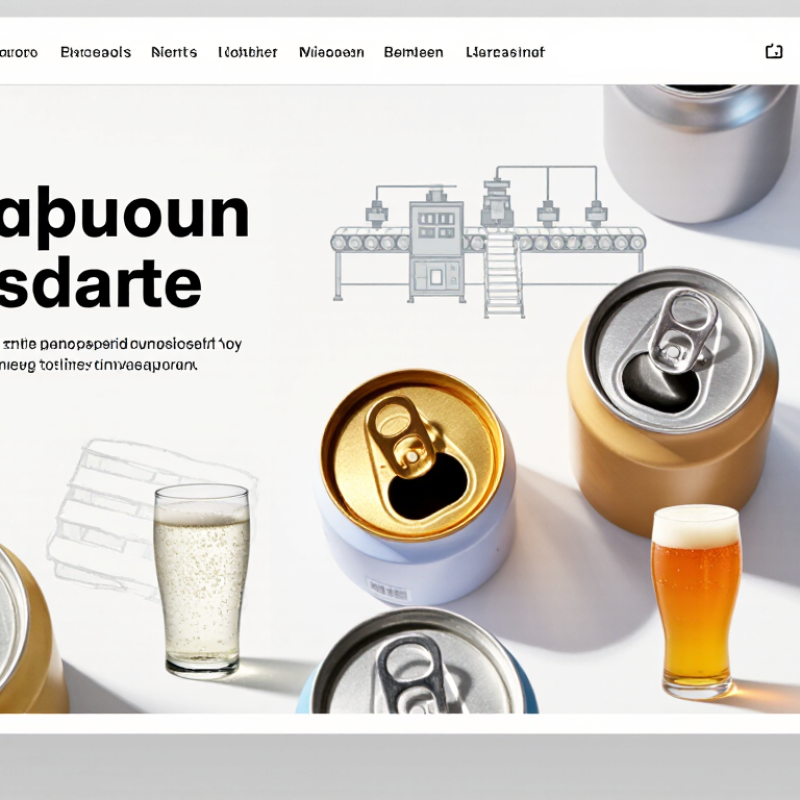
What Are the Top Types of Beverage Can Ends?

What Is a Beverage Can End and How Is It Designed?

A beverage can end is the shaped metal closure fitted to a can body. It seals in the drink and provides the opening feature. On a typical easy-open end, the visible panel includes a scored opening, a rivet, and a pull tab. The score is carefully weakened, not cut through, so the panel opens when lifted while the unopened can remains sealed. The end’s curl and double seam join it to the body. Small details matter. Seam dimensions and forming pressure must suit the can and filling conditions; a strong-looking closure is not proof of a sound seam.

Design balances protection, opening force, material use, and reliable production. Engineers consider panel stiffness, internal pressure, tab leverage, and the risk of sharp edges. They also test seam integrity and opening performance across production runs. It is a compromise: reducing metal can save material, but an overly thin panel may buckle or open poorly. European Aluminium and Metal Packaging Europe reported a 76.1% recycling rate for aluminium beverage cans in Europe in 2022. The International Aluminium Institute also reports that roughly 75% of all aluminium ever produced remains in use. Those figures underline why end design should support efficient material recovery, not just easy opening. A small design change can have trade-offs.

What Is a Stay-on-Tab End?

What Are the Top Types of Beverage Can Ends?

What Is a Stay-on-Tab End?

A stay-on-tab end uses a riveted tab that opens a scored panel without detaching from the can. The tab lifts, presses the panel inward, and stays connected. That small hinge-like action keeps a loose metal tab off the table and out of the drink.

Look closely at a can top: the tab, rivet, score line, and recessed center each have a job. The score must open predictably, while the rivet must hold under the force of a fingertip. Too much force feels awkward; too little can risk accidental opening. In production, end design is tested for opening performance and resistance to pressure, not just appearance. It is easy to overlook how much engineering sits in that small circle.

Tips: Check that the tab lies flat and the score line is intact before opening. Don’t force a tab that feels unusually stiff.

The International Aluminium Institute, Metal Packaging Europe, and European Aluminium reported a 71% global aluminium can recycling rate for 2022 in their Global Aluminium Can Recycling Study. That figure concerns cans overall, not stay-on-tab ends alone. Still, an attached tab can reduce loose-tab litter; collection and sorting remain essential.

How Do Wide-Opening and Full-Aperture Ends Work?

Wide-opening ends create a larger drinking area than a standard stay-on-tab opening. When the tab is lifted, its nose presses against a scored panel in the lid. The panel folds inward and stays attached at a small hinge. Air can enter as liquid flows out, helping reduce glugging. The opening feels more generous. It can also make pouring easier.

Full-aperture ends work differently: the removable panel separates from the lid, exposing nearly the entire can top. A pull ring gives the user leverage, while a carefully formed score guides the tear. The detached panel should be handled thoughtfully, since its edge may be sharp. These ends suit situations where a broad opening matters, such as sharing a drink or adding ice. But “full aperture” can describe slightly different designs, so the actual opening size and removal method may vary. Manufacturers must balance easy opening with a lid that remains sealed during transport. That balance is not always obvious from appearance alone. A can that opens smoothly still depends on sound material, precise scoring, and consistent production.

What Are Resealable and Specialty Beverage Can Ends?

Resealable beverage can ends add a second opening motion without changing the familiar can format. Designs may use sliding panels, hinged closures, or threaded components, each balancing leak resistance, opening force, and added material. A useful test is simple: can a consumer close it securely with wet fingers? Not always. Small grooves can also trap sticky drink residue, so prototype testing should include real beverages and repeated opening cycles.

Specialty ends serve a different purpose. Wide apertures can release more aroma and allow faster pouring, while vented openings help liquid flow smoothly. These details matter for thick drinks or cans meant for sharing. Yet a larger opening can increase splashing, and a complex mechanism may slow production. The trade-off is real. Suppliers should check filling-line compatibility, seam integrity, and consumer handling before choosing a design.

Recyclability belongs in the decision, too. The Can Manufacturers Institute’s 2023 U.S. beverage-can recycling analysis estimated a 43% recycling rate. That figure is a reminder that end design sits within a wider packaging system, not just a convenience feature. Aluminum ends are commonly recovered with cans, but added plastics or mixed materials can complicate sorting. Teams should verify material compatibility with local recycling streams and avoid claims that testing has not confirmed.

What Are the Top Types of Beverage Can Ends? - What Are Resealable and Specialty Beverage Can Ends?

Can-end type How it opens Can it be resealed? Typical uses Key advantages and considerations
Standard stay-on-tab end Lifting the attached tab presses a scored panel inward to create a drinking opening. The tab remains attached to the end. No. The opening is not designed to close again. Common carbonated soft drinks, beer, sparkling water, and other ready-to-drink beverages. A familiar, lightweight format with a tab that stays attached. Once opened, the contents can spill and are exposed to air.
Wide-opening stay-on-tab end A larger scored panel opens to provide a wider drinking or pouring aperture; the tab remains attached. No. It is a one-time opening. Beverages where a larger opening is preferred, including some beers and ready-to-drink products. Can provide a more open drinking experience and greater airflow while pouring. The larger opening does not itself make the can resealable.
Vented or dual-opening end A second scored opening or vent is opened to allow air to enter as liquid pours through the main opening. No. The vent and main opening are not intended to be closed again. Selected beverage cans designed for smoother, faster pouring. The extra opening can reduce glugging during pouring. It adds an opening feature but does not provide resealability.
Resealable beverage-can end An added sliding, rotating, or closing component covers the drinking aperture after the can is opened. Yes, when the closure is returned to its closed position. It may help limit spills and exposure but does not make an opened can equivalent to an unopened, hermetically sealed can. Specialty beverage formats intended for drinking over more than one occasion or for carrying after opening. Offers a way to cover the opening. The mechanism can add parts, cost, and design complexity compared with a conventional stay-on-tab end.
Full-aperture peel-off lid A flexible panel is peeled away to expose most or all of the end opening. Usually no. The peeled panel is removed and is not a resealing closure. Niche beverage or specialty-packaging applications; more common in certain food and non-beverage containers than in standard carbonated-drink cans. Provides broad access to the contents. Suitability depends on the product, package design, and pressure requirements.
Easy-open specialty end Uses a pull feature and scored panel designed around a particular access, pouring, or serving requirement. Usually no, unless a separate reclosure component is included. Specialty beverages and packages where a particular opening or serving experience is desired. The opening design can be tailored to the package’s intended use. Features and performance vary by construction; “specialty” does not automatically mean resealable.

Note: Availability, opening size, and performance vary by can design and beverage requirements. Resealable features are distinct from conventional stay-on-tab openings.

How Do the Main Can End Types Differ in Use?

Beverage can ends differ in opening size, pour control, and convenience. The standard stay-on-tab end suits everyday carbonated drinks. Its small aperture helps limit splashing and keeps the opening familiar. A wide-opening end exposes more of the drink, making it easier to sip or pour over ice. It can feel more comfortable, though the larger opening may release aroma and carbonation faster.

Vented ends add a second opening to help air flow during pouring, which can reduce glugging from larger cans. Specialty resealable ends offer repeated access, but added parts can increase complexity and cost. There is no perfect end. The choice depends on the drink, can size, filling line, and expected use. The Can Manufacturers Institute and Aluminum Association reported a 43% U.S. aluminum beverage-can recycling rate for 2023. That figure supports checking end material and body compatibility, rather than assuming every design recycles identically.

Tips: Test the end with the actual beverage and serving method. Check seam specifications with your can supplier, then assess opening force and pour behavior. A quick hand test helps, but it cannot replace production-line validation.

Top Beverage Can End Types: How Their Features Differ

Standard stay-on-tab ends suit everyday beverages such as soft drinks and beer. Wide-opening stay-on-tab ends provide a larger drinking aperture, often preferred for certain beers and energy drinks. Resealable ends are designed to close again after opening, which can be useful for drinks consumed over time. This is a feature comparison, not market-share data; exact designs vary.

Article Source:

You've just added this product to the cart:

0
    0
    Your Cart
    Your cart is empty