Why Do Global Buyers Choose Glyphosate Herbicide?
Global buyers often consider Glyphosate Herbicide for its broad weed-control role, established supply chains, and compatibility with many farm-management programs. Yet a product’s reputation alone is not enough. Buyers need clear information about active-ingredient concentration, formulation, packaging, batch traceability, and quality documentation. A sealed container with a readable label matters as much as a competitive quotation.
Procurement decisions also depend on local crop needs, application requirements, and current regulations. Responsible buyers check product registration and label directions in the destination market, then confirm that suppliers can provide consistent specifications and reliable delivery. They may also ask about storage conditions, transport documentation, technical support, and procedures for reporting quality concerns. These details can reveal gaps before an order becomes a field problem.
Price matters. So does trust. Still, comparing offers can be difficult when specifications differ or shipping costs shift. Buyers should compare equivalent products and request verifiable documents rather than relying on broad performance claims. Glyphosate Herbicide is not a universal answer, and results can vary with weed species, weather, and management practices. That part is easy to overlook. A careful purchasing process weighs product quality, regulatory fit, supplier transparency, and responsible use together. It may take longer than choosing the lowest bid, but the extra questions can prevent costly surprises.
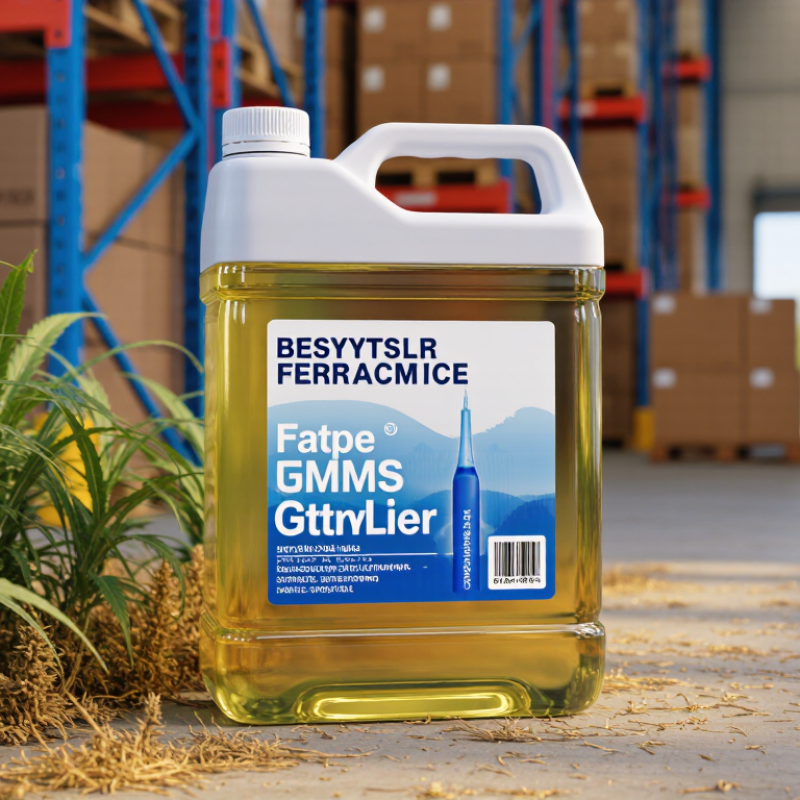
Glyphosate’s Role in Modern Weed Management
Glyphosate’s role in modern weed management is practical, but not simple. It can control many actively growing weeds and help farmers prepare fields before planting. A well-timed application may reduce competition for water, light, and nutrients. That matters during dry spells, when young crops struggle to establish.
Field conditions shape results. Weeds should be identified and assessed while they are still small and actively growing. Dust, rain, temperature, and uneven coverage can affect performance. Farmers should follow the product label, use appropriate protective equipment, and check local requirements before treatment. Small details count. A missed strip beside a fence can leave weeds that spread seeds across a field.
Glyphosate works best as one tool in a broader plan, not as a permanent answer. Rotating crops, using cover crops, removing escapes, and varying weed-control methods can help slow the spread of resistant weeds. Resistance is already a concern in some areas, and relying on one herbicide repeatedly can make it worse. No method is perfect. Even careful plans need review when field results change, and that uncertainty deserves honest attention.
How Its Broad-Spectrum Action Controls Weeds
Why Do Global Buyers Choose Glyphosate Herbicide?
Glyphosate is a broad-spectrum, systemic herbicide used to manage many emerged weeds. Green leaves absorb it, and the plant transports it toward growing points and roots. It blocks an enzyme needed to make certain essential proteins. The result is gradual decline, not instant leaf burn. This can help control annual and perennial weeds in suitable settings.
Broad-spectrum does not mean equally effective on every plant. Weed size, growth stage, weather, and coverage can all affect results. A dense canopy may hide small leaves; drought-stressed weeds may respond poorly. Some populations have also developed resistance, so repeated reliance on one mode of action can be a weak strategy. It is not a soil sterilant, and new seedlings may still appear. That detail is easy to overlook.
Tips: Identify the weed before treatment. Read and follow the product label, including protective equipment and application limits. Avoid spraying desirable plants; drift can injure them. Use integrated control methods, such as mowing or cultivation, where appropriate. Small details matter.
Why Buyers Value Its Cost and Operational Efficiency
For many farm managers, cost is measured across a whole workday, not just the price of a container. Glyphosate can control a broad range of weeds in suitable settings, which may reduce the need for several separate passes. Fewer passes can mean less fuel, less machine wear, and more time for planting or other fieldwork. In a busy season, that matters.
The savings are not automatic. Results depend on weed species, growth stage, weather, and application quality. A sprayer with worn nozzles or uneven coverage can waste product and leave patches behind. That is expensive. Buyers also consider labor availability and whether the product fits their existing equipment and crop plan. Local prices and approved uses vary, so a simple price comparison can miss important costs.
There is a trade-off. Repeated reliance on one mode of action can encourage herbicide-resistant weeds, making future control harder and potentially more costly. Experienced operators therefore consider rotation, integrated weed management, and careful field monitoring, rather than treating low purchase price as the only measure of value. Where glyphosate is approved, buyers should follow the product label and local requirements, including protective equipment and environmental precautions. The economics can look favorable, but they deserve regular review.
How Formulations and Application Needs Shape Purchasing
Why Do Global Buyers Choose Glyphosate Herbicide?
How Formulations and Application Needs Shape Purchasing
Purchasing decisions often begin with the intended site, not the product label’s largest number. A farm treating established weeds may need a different formulation from a crew managing fence lines. Buyers compare salt type, concentration, and whether the formulation includes adjuvants. These details affect mixing, handling, and fit with available equipment. A higher concentration is not automatically a better choice; it can change dilution and handling requirements. Small print matters.
Water quality and weather also shape the decision. Hard water can affect performance, while wind or approaching rain may make an application unsuitable. Buyers should confirm that the intended site and use appear on the product label in their region. They also need clear guidance on protective equipment, storage, spill response, and container disposal. Check compatibility against label directions rather than guessing. Even experienced teams can overlook a detail when switching formulations.
Tips: Match the formulation to the labeled use and application equipment. Check water quality, packaging integrity, and shelf-life information before ordering. Keep the label accessible for every operator. If a key detail is unclear, verify it with a qualified local agronomist or product professional.
How Regulations and Stewardship Influence Global Choices
Regulations shape whether glyphosate herbicide can be used, where it can be applied, and who may handle it. Requirements vary by country and can change over time. Buyers should check current local registrations, approved uses, and product labels rather than relying on assumptions from another market. The label sets practical boundaries, including application rates, protective equipment, and any required buffer zones. Details matter.
Stewardship turns those rules into field decisions. A trained operator checks wind and rain forecasts, inspects spray equipment, and avoids treating near sensitive crops or waterways. Clean water sources and careful container handling also matter. These steps reduce avoidable exposure, but they cannot make every application risk-free. That distinction is easy to overlook.
Responsible buyers also ask how suppliers support resistance management. Repeated reliance on one herbicide can encourage resistant weeds, so local advisers may recommend combining chemical and non-chemical methods. Crop rotation, monitoring, and timely cultivation can be part of that plan. Records of applications, field observations, and operator training help show what happened in practice. Paperwork is useful, though it does not replace good judgment in the field. Sometimes the plan looks clear on paper; actual weather and weed pressure are less tidy.