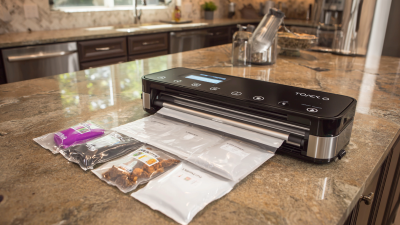
What Is a Chamber Vacuum Sealer and How Does It Work?
A chamber vacuum sealer removes air from a sealed chamber, not just from the bag. This difference matters. During a typical cycle, the machine closes its lid and reduces pressure around the pouch. Air leaves the pouch through its open edge. The sealing bar then applies heat and pressure, creating a tight closure before normal air pressure returns. The bag often looks flat and firm afterward.
This process is useful for kitchens, restaurants, laboratories, and small food businesses. It can help reduce oxidation, freezer burn, and moisture loss. A chamber vacuum sealer can also package liquids more neatly than many external suction machines. Soup, marinade, or sauce stays inside the pouch while the chamber removes surrounding air. Still, the machine does not make food permanently safe. Refrigeration, freezing, clean handling, and proper storage times remain essential.
Choosing the correct settings requires practical judgment. Delicate foods may need gentler vacuum pressure. Wet products may need a shorter cycle or a stronger pouch. Small details matter, such as keeping the seal area dry and leaving enough headspace. A weak seal can fail quietly. That is easy to miss. This guide explains the machine’s main parts, operating cycle, benefits, and limitations. It also considers common user mistakes. The explanation may not cover every commercial model, because pump strength, sensor design, and sealing controls vary. However, the core principle remains consistent: controlled pressure removes air, and controlled heat closes the package.
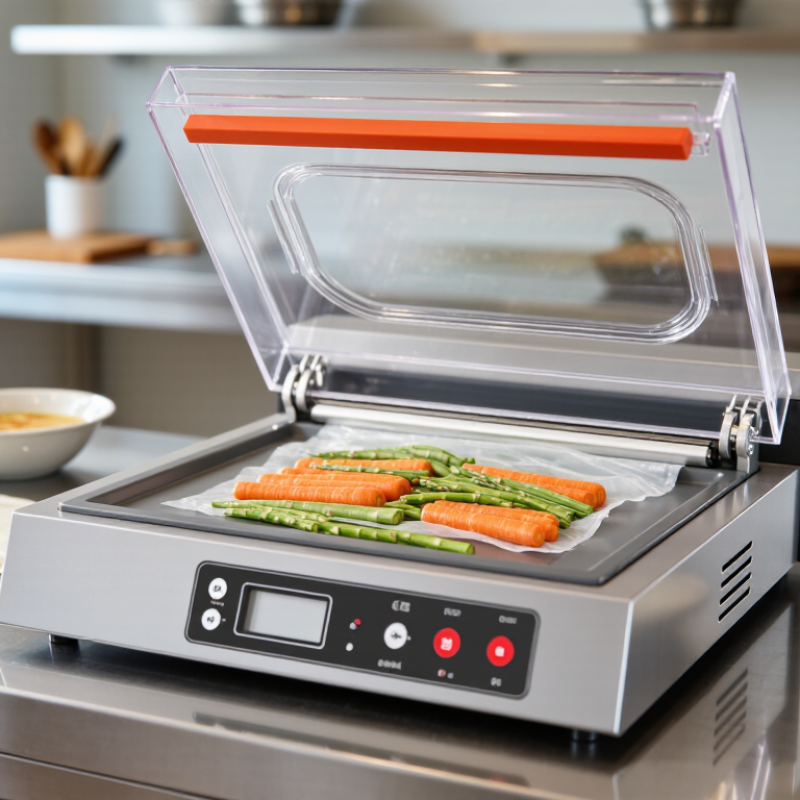
What Is a Chamber Vacuum Sealer?
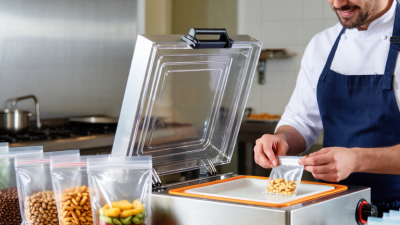
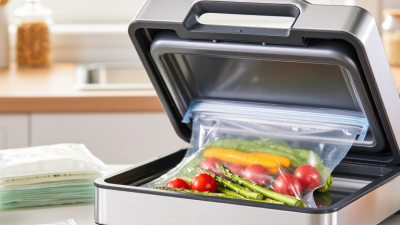
A chamber vacuum sealer is a countertop machine that removes air from a sealed chamber and its vacuum bag. The bag rests inside the chamber, rather than hanging outside the machine. When the lid closes, a pump lowers the air pressure around the bag. Air leaves the bag through its open edge. A heated bar then seals the opening tightly.
The pressure inside and outside the bag becomes balanced before the lid opens. This process helps protect food from air, moisture loss, and freezer burn. It can also seal soups, marinades, and other liquids with less mess than many external sealers. That difference matters in a busy kitchen. My first assumption was that stronger suction always meant better results. It does not. Bag placement, seal temperature, and product condition also affect performance. Wet foods still need careful handling.
Tips: Keep the sealing area clean and dry. Leave enough space above the food for a reliable seal. Chill liquids before sealing, especially when they may foam. Check every seal for wrinkles, gaps, or trapped moisture. A double seal can provide extra confidence, though it uses more bag material. Do not rely on vacuum packaging alone for food safety. Refrigeration, freezing, clean preparation, and suitable storage times still matter. The machine reduces air exposure; it does not make spoiled food safe.
How the Vacuum-Sealing Process Works
A chamber vacuum sealer removes air inside a sealed chamber, rather than pulling air directly from the bag alone. The operator places the filled bag inside, leaving its open edge across the sealing bar. After the lid closes, a pump lowers the chamber pressure. Air escapes from the bag and the surrounding chamber together. This balanced pressure helps prevent liquids from violently boiling or being drawn into the pump. When the target vacuum is reached, a heated bar compresses and seals the bag. The chamber then returns to normal pressure, pressing the film tightly around the food.
The process slows oxidation, moisture loss, and the growth of many oxygen-dependent microorganisms. It does not sterilize food. Refrigeration remains essential, especially for meat, seafood, and prepared dishes.
The FAO’s State of Food and Agriculture 2019 report estimated that 14% of food is lost between harvest and retail. The UNEP Food Waste Index Report 2024 recorded about 1.05 billion tonnes of food waste in 2022. Better packaging can help, but it cannot correct poor temperature control or careless handling.
Tips:
Keep the seal area clean and dry. Leave enough headspace for a strong seal. Do not overfill the bag. Sharp bones need protective padding. Check every seal by sight and touch; a neat line can still hide a weak section. This is where practice matters. My own imperfect rule is simple: if the seal looks questionable, reseal it rather than trust it.
Safety, Maintenance, and Operating Considerations
A chamber vacuum sealer removes air by placing the entire bag inside its chamber. The chamber pressure drops evenly, so liquids are less likely to spill during vacuuming. It is not a sterilizer. Vacuum packing can slow oxidation, but it does not replace refrigeration or safe food handling.
Safety begins with simple habits. Keep hands clear of the sealing bar. Never bypass the lid sensor or operate a damaged power cord. Let hot food cool before packing it, and leave enough space above the contents for a clean seal. Moisture near electrical parts is dangerous. Keep it dry. Follow the machine’s pressure, temperature, and cycle limits rather than guessing.
Maintenance affects both sealing quality and pump life. Wipe the chamber after each use, especially around the gasket and seal bar. Remove crumbs and liquid with a soft, slightly damp cloth. Do not flood the chamber. Inspect the gasket for flattening, cracks, or loose sections. Pump oil may require checking or replacement, depending on the equipment design. A weak seal can come from overfilling, folded bags, or a dirty bar, not only from pump failure.
In daily operation, place the bag flat and keep its opening smooth. Test one sample before processing a large batch. I have found that longer cycles do not always produce better results. They can wrinkle delicate food or stress the seal. It is easy to overtrust a neat package, so label packed items with dates and storage instructions.