
How to Choose an Industrial Vacuum Sealer in 2026?

Choosing an industrial vacuum sealer in 2026 requires more than comparing pump power or stainless-steel finishes. Production floors expose weaknesses quickly: warm product, oily film, short sealing intervals, and operators wearing gloves. A machine that performs well during a demonstration may struggle after eight hours of continuous work. That uncomfortable gap deserves attention.

Market evidence supports careful evaluation. Grand View Research reports continued growth in the global vacuum packaging market, driven by food safety, shelf-life, and distribution requirements (Vacuum Packaging Market Size, Share & Trends Analysis Report, 2024–2030). Smithers’ The Future of Flexible Packaging to 2028 also highlights efficiency, material reduction, and recyclable structures as important packaging pressures. These reports describe broad market direction, not a guarantee for every factory. Your product still decides the specification.

Food-packaging researcher Dr. Joseph P. Kerry has stated, “Packaging is an integral part of the food product, not merely a container.” That principle changes the buying question. Can the industrial vacuum sealer protect delicate seafood without crushing it? Can it handle sauce residue around the seal area? Does its sensor system detect incomplete evacuation before a pallet leaves the plant?

Look closely at pump capacity, chamber dimensions, sealing-wire temperature control, cycle time, maintenance access, and spare-part availability. Also test real bags, not showroom samples. A slightly cheaper unit may become expensive by Friday. An oversized machine may waste energy and floor space. The best choice is rarely perfect; it is the one that matches your product, staffing, hygiene routine, and measurable output.
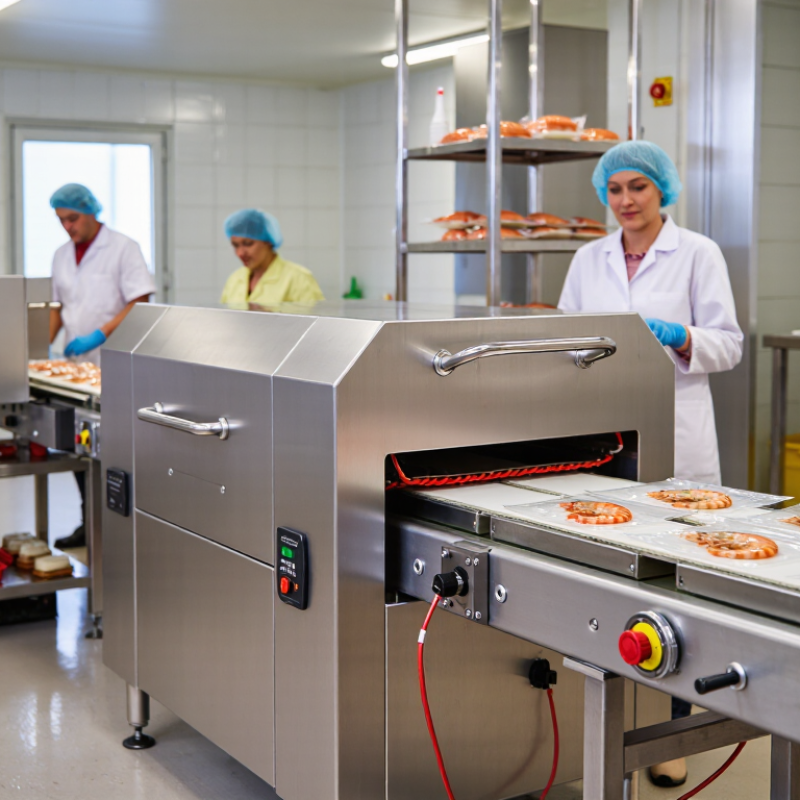
How to Choose an Industrial Vacuum Sealer in 2026?

What Is an Industrial Vacuum Sealer and How Does It Work?

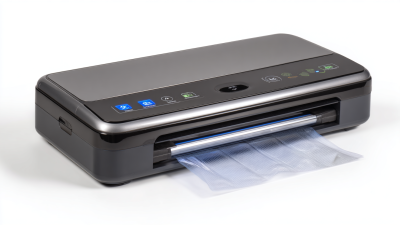
An industrial vacuum sealer removes air from a pouch, then closes it with controlled heat and pressure. A pump creates negative pressure inside the chamber or nozzle system. The sealing bar then melts compatible thermoplastic layers together. This reduces oxygen exposure, moisture movement, and package volume.

The process sounds simple. It is not always simple. According to MarketsandMarkets’ Vacuum Packaging Market report, the sector was valued at about USD 29 billion in 2023 and is projected to exceed USD 40 billion by 2028. This growth reflects demand for longer shelf life and efficient transport. However, vacuum sealing does not sterilize products or repair poor handling.

Industrial machines usually use chamber depth, pump capacity, seal length, and cycle speed as key specifications. A 2024 PMMI packaging equipment report highlights automation, labor efficiency, and flexible production as continuing investment priorities. For wet foods, a strong chamber system can prevent liquid from reaching the pump. For sharp or irregular products, thicker barrier pouches and wider seals matter more than maximum speed. Operators should also check temperature stability and seal verification. Small defects may remain invisible. That is where equipment selection becomes difficult. A larger pump may shorten cycles, but it can increase energy use and maintenance demands. Testing the actual product, pouch material, and production rhythm remains more reliable than trusting a brochure.
Which Packaging Requirements Should Guide Your Sealer Choice?

Choosing an industrial vacuum sealer starts with packaging requirements, not machine speed. In production trials, I examine product shape, moisture, temperature, and bag film. A sharp bone needs different protection from a soft pouch of roasted beans. Wet products can pull liquid into the pump. Fine powder may contaminate filters and weaken seals. The seal must remain clean when operators work quickly.

Define required throughput in bags per minute, then check jaw length, seal width, and cooling time. A wide seal can improve strength, but it may reduce usable bag space. Thick multilayer films often need higher heat and longer dwell time. Recycled or changing films can behave inconsistently. Published specifications are not enough. Test filled bags. Do not guess. Measure leak rates after handling, stacking, and temperature changes. Record settings and inspect the seal peel, not only its appearance.

Packaging atmosphere also guides selection. Vacuum-only packing suits some dense products, while gas flushing may protect fragile items from crushing. Oxygen-sensitive food may require residual-oxygen checks, depending on the product and process. For dusty workshops, accessible filters and simple cleaning matter as much as pump capacity. Ask about shift length, maintenance skills, and spare-part access. A fast machine is not automatically the right machine. I have chosen cautiously before, yet regretted ignoring operator feedback. Reassess the choice when film, product, or line speed changes.

How Do Sealing Technologies Differ for Industrial Applications?

Choosing an industrial vacuum sealer in 2026 starts with understanding its sealing technology. Vacuum removal is only one part of the process. The sealing method determines package strength, cycle speed, and product protection.

Impulse sealing uses short electrical pulses to heat compatible films. It reduces energy use between cycles and suits intermittent production. Constant heat sealing maintains temperature across both sealing jaws. It handles thicker laminates and demanding barrier films more consistently. Heat leaves a mark. Poor temperature control can wrinkle film or weaken the seal.

Chamber vacuum sealing removes air before closing the package. It works well for parts, powders, and moisture-sensitive goods, provided the material is suitable. Gas flushing can replace oxygen with a controlled gas, helping limit oxidation. Continuous-band systems support higher throughput, but they require stable film tracking and careful cleaning. Ultrasonic sealing generates localized heat through vibration. It can reduce thermal exposure, though tooling costs and material compatibility need practical testing.

In production assessments, technicians should inspect seal width, peel strength, leakage, and repeatability. Measure the seal. Do not rely only on attractive cycle-time figures. A faster machine may create more rejected packs if temperature recovery is uneven. I have found that real products often behave differently from laboratory samples. Dust, oil, sharp edges, and changing film batches can expose weaknesses. Seal trials should run under actual line conditions, with documented settings and inspection results.

How to Choose an Industrial Vacuum Sealer in 2026? - How Do Sealing Technologies Differ for Industrial Applications?
Practical comparison of common industrial vacuum-sealing technologies
Technology Operating Principle Typical Final Pressure* Typical Throughput Compatible Packaging Gas Flushing Best-Fit Applications Main Advantages and Limitations
Chamber Vacuum Sealer The complete pouch is placed inside a sealed chamber. Air is removed from both the chamber and pouch before the sealing bar closes the package. Approximately 1–10 mbar absolute, depending on pump capacity, pouch design, product moisture, and cycle settings. Usually 2–20 cycles per minute; multi-chamber systems can increase output. Flexible heat-sealable pouches, including multilayer barrier films and vacuum bags. Available on many industrial models; gas can be introduced after evacuation and before sealing. Meat, seafood, cheese, prepared foods, powders, components, and products with irregular shapes. Strong vacuum performance and reliable seals. Requires loading and unloading space, and cycle time is generally slower than continuous systems.
External-Suction Vacuum Sealer The open end of a pouch remains outside the machine while a nozzle or suction channel extracts air and the sealing jaws close the pouch. Commonly about 50–200 mbar absolute; actual performance depends heavily on pouch fit and air leakage. Approximately 3–15 cycles per minute for manual or semi-automatic operation. Specialized textured or channel pouches designed to permit air removal outside a chamber. Usually limited; some configurations support controlled gas injection. Small production runs, retail food preparation, household goods, and operations requiring low initial investment. Compact and relatively economical. It normally achieves a less consistent vacuum than chamber equipment and requires compatible pouches.
Continuous-Band Vacuum Sealer Pouches travel continuously through vacuum, optional gas-flush, and heated sealing zones while a conveyor controls package movement. Often about 5–30 mbar absolute in the vacuum section, depending on machine configuration and product loading. Typically 10–40 pouches per minute; speed is controlled by pouch size, dwell time, and operator loading. Pre-made flexible pouches with suitable heat-sealing layers; pouch height and width must match the conveyor format. Commonly available for modified-atmosphere packaging and oxygen reduction. Medium- to high-volume food production, snacks, frozen products, bakery items, and consumer goods. Higher output and easy integration with conveyors. It needs consistent pouch presentation and may provide less flexibility for very large or irregular products.
Tray Sealer with Vacuum or MAP A rigid or semi-rigid tray is loaded into a die. Air is removed, optional gas is introduced, and lidding film is heat-sealed to the tray flange. Approximately 5–100 mbar absolute during evacuation, depending on the selected atmosphere and product requirements. Roughly 10–60 trays per minute; output depends on the number of cavities and sealing dwell time. Preformed plastic, paper-based, or composite trays with compatible lidding films. A core feature for modified-atmosphere packaging; gas composition can be selected for the product. Fresh meat, poultry, seafood, ready meals, produce, and products that benefit from rigid presentation. Provides attractive presentation, product protection, and automated handling. Requires trays, tooling, and accurate flange cleanliness.
Thermoforming Vacuum Packaging Line A continuous web is heated and formed into product cavities. The product is loaded, vacuum or gas is applied, and a top web is heat-sealed before cutting. Approximately 1–20 mbar absolute for vacuum packs; MAP settings vary with the required residual oxygen level. Commonly 20–80 packs per minute, depending on cavity count, product geometry, and line speed. Formable bottom webs combined with heat-sealable top webs; film structure must match the product and shelf-life target. Yes; vacuum, gas flushing, or combined vacuum-and-gas cycles are commonly configurable. Large-scale meat, cheese, seafood, medical products, and standardized high-volume product lines. Excellent automation, material efficiency, and repeatability. Higher capital cost, tooling requirements, and changeover complexity are typical.
Vacuum Skin Packaging System A heat-softened top film conforms closely to the product and tray while vacuum removes air and creates a tight skin around the product. Typically about 1–20 mbar absolute, depending on product shape, film properties, and equipment design. Approximately 8–40 packs per minute for industrial tray-based systems. Rigid or semi-rigid trays with specially formulated skin films and compatible sealing surfaces. Primarily vacuum-based; gas flushing is less central than in standard MAP tray sealing. Fresh red meat, poultry, seafood, cheese, and premium products requiring strong visual presentation. Reduces package movement and can support extended chilled shelf life. Film and tray costs, tooling, and careful product placement must be considered.
Selection guidance: Choose chamber systems for flexible product formats and strong vacuum control; continuous-band systems for higher pouch throughput; tray or thermoforming systems for automated presentation and modified-atmosphere packaging; and skin packaging when product appearance and close product conformity are priorities.
*Pressure values are typical engineering ranges expressed as absolute pressure, not guaranteed machine specifications. Actual results depend on pump size, chamber volume, product temperature, moisture, film permeability, leakage, sealing temperature, and cycle settings.

Which Machine Features Affect Capacity, Reliability, and Ease of Use?

An industrial vacuum sealer should match your real production rhythm, not an optimistic sales forecast.

The FAO’s 2024 State of Food and Agriculture report estimates that 13.2% of food is lost between harvest and retail. Consistent sealing can reduce exposure to oxygen, moisture, and handling damage. Chamber size affects capacity directly. A larger chamber may seal several pouches per cycle, but it also requires more floor space and evacuation time. Check pump flow, cycle duration, and seal-bar length together. One impressive specification proves little.

Reliability depends on heat control, vacuum sensors, oil filtration, and accessible maintenance points. PMMI’s 2024 industry outlook highlights labor efficiency and equipment uptime as continuing packaging priorities. Choose clear diagnostics, replaceable sealing wires, and a documented duty cycle. Ask for test results under your actual pouch thickness and product temperature. Wet products can behave differently.

Ease of use is equally practical. Tool-free cleaning, recipe storage, guarded access, and readable controls reduce training errors. The UNEP Food Waste Index Report 2024 reports 1.05 billion tonnes of food waste in 2022, so small process failures can carry wider costs. Still, automation is not automatically better. Complex controls may slow operators during sanitation or changeovers. Observe the machine running, listen for pump strain, and calculate output from measured cycles rather than brochure claims.

How Can You Compare Safety, Maintenance, and Total Operating Cost?

How to Choose an Industrial Vacuum Sealer in 2026?

How Can You Compare Safety, Maintenance, and Total Operating Cost?

Safety should be checked before sealing speed.

OSHA’s machine-guarding rule, 29 CFR 1910.212, requires protection from moving parts and operating hazards. Look for guarded sealing bars, emergency stops, cool-touch surfaces, and clear access during cleaning. A test run should include gloves, wet floors, and an interrupted cycle. Real factories are rarely perfect.

Maintenance affects more than repair bills.

Ask how quickly operators can replace heating elements, sealing wires, and gaskets. Record cleaning time, spare-part prices, and average service intervals. The U.S. Department of Energy reports that compressed-air leaks can waste 20–30% of compressor output. Therefore, inspect pneumatic lines, regulators, and fittings before approving a machine. A low purchase price can become expensive through air loss, rejected packs, and overtime.

Tips:

Calculate total operating cost over five years. Include electricity, compressed air, labor, consumables, planned maintenance, and downtime. Request measured cycle data, not estimates. PMMI industry reports continue to identify labor availability and equipment uptime as major packaging concerns. Test the sealer with your actual film and product shape. The result may disappoint. That is useful evidence. Use a simple cost-per-pack comparison, then review it quarterly against production records.

You've just added this product to the cart:

0
    0
    Your Cart
    Your cart is empty