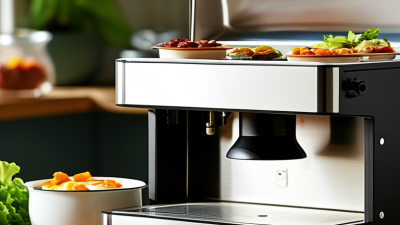

A commercial food sealer is a machine designed to protect prepared, fresh, or packaged foods during storage and transport. It removes air from a pouch or closes it with controlled heat. The process can reduce exposure to oxygen, moisture, dust, and handling. It does not replace refrigeration or safe food preparation.
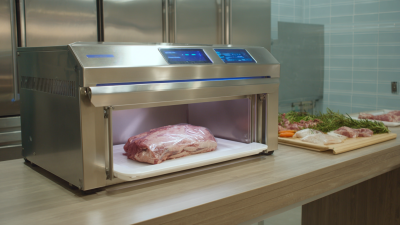
In a busy kitchen, an operator places food inside a compatible bag and positions its open edge beneath the sealing bar. A vacuum model draws air from the bag before heat seals the material. Other models only create a strong heated closure. Sensors and timers help control temperature, pressure, and sealing duration. The finished package should have a clean, continuous seam without wrinkles or open corners.
The details matter. A wet pouch may weaken the seal. Excessive heat can damage the packaging or affect delicate foods. A weak vacuum may leave enough air to reduce storage quality. Even experienced operators must check samples regularly. No machine removes every food safety risk. That point is easy to overlook.
This guide explains how a commercial food sealer works, where it fits into professional food handling, and which operating details deserve attention. It also considers practical limitations, maintenance needs, and common sealing errors. Real results depend on the machine, packaging material, food condition, and storage environment. Careful testing remains more reliable than assuming every package will perform the same way.
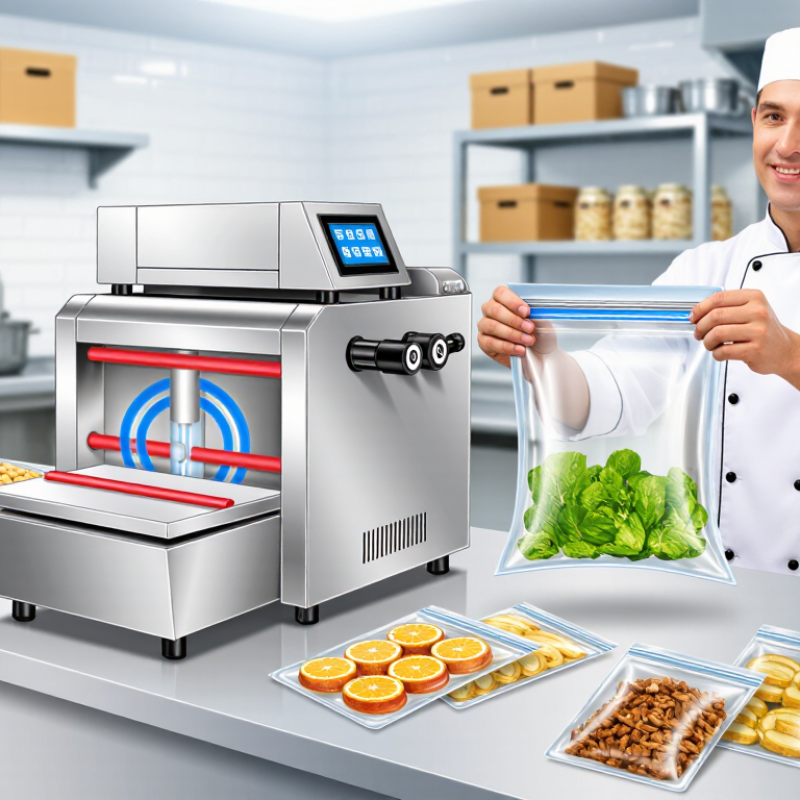
A commercial food sealer is equipment that closes food packaging by removing air, applying heat, or both. It helps limit moisture loss, oxidation, freezer burn, and contamination after handling. In professional kitchens, the right sealer depends on food texture, package size, production volume, and storage conditions. A sealed bag is not automatically safe; temperature control and clean preparation still matter.
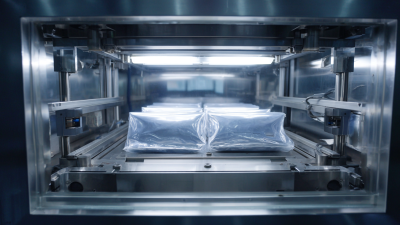
Vacuum chamber sealers place the entire pouch inside a chamber. They remove air from the pouch and seal its open edge with a heated bar. These machines suit liquids, sauces, soups, and frequent production because pressure remains balanced inside and outside the pouch. External suction sealers pull air through a textured bag before heat-sealing it. They usually cost less and occupy less space, but liquids can enter the pump. That can create maintenance problems.
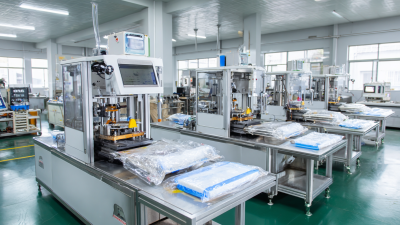
Tray sealers close preformed containers with film. They are useful for prepared meals, meat portions, and retail-style presentation. Some models create a simple seal, while others use modified-atmosphere packaging with controlled gases. Impulse and continuous-band sealers close plastic bags without vacuuming. They work well for dry goods, powders, and products that should not be compressed.
From hands-on use, seal quality depends on a clean, dry sealing area. Crumbs and grease can form tiny channels. The failure may appear hours later. The difference matters. No machine compensates for poor pouch selection, weak heat settings, or careless storage. Operators should test seals regularly and follow the packaging material’s instructions.
Commercial food sealers remove air or replace it with another gas, then apply heat and pressure to create an airtight package. Throughput varies with package size, product type, sealing temperature, and operator workflow. The chart shows representative midpoints of common operating ranges rather than brand-specific specifications.
A commercial food sealer removes air from packaging and closes it with controlled heat. Its main parts must work together precisely. The chamber holds the pouch during vacuuming, while the lid gasket creates an airtight space. Without a firm gasket, air leaks can reduce vacuum performance.
The vacuum pump draws air from the chamber and pouch. A pressure sensor monitors the process and signals when the target level is reached. The sealing bar then presses heated strips against the package opening. Heat melts the inner plastic layers, while pressure forms a continuous seal. A temperature controller prevents overheating and weak seals. Small differences matter here.
The control panel sets vacuum time, sealing temperature, and cooling time. Operators should adjust these settings for the pouch material and food moisture. Excess liquid can enter the pump if the product is positioned poorly. A liquid trap helps protect internal components, but it cannot replace careful loading. Stainless steel surfaces support frequent cleaning, especially around the chamber edges.
Technicians should inspect the gasket, sealing wire, and pump oil regularly. I have seen excellent equipment perform poorly because operators ignored worn gaskets. The machine was not the only problem. Habits mattered too. A sealed pouch should have a smooth, unbroken seam without wrinkles or trapped food particles. When the seal looks uneven, checking the bag position is often more useful than increasing heat.
A commercial food sealer removes air from a package and closes it with controlled heat. In busy kitchens, it helps protect texture, reduce freezer burn, and organize prepared food. The machine does not replace safe handling, however. Clean hands, fresh packaging, and proper storage temperatures still matter.
The process begins with a filled pouch placed inside the chamber. The open edge must lie flat across the sealing bar. Even a small crumb or drop of sauce can weaken the seal. When the lid closes, the pump draws air from the chamber and pouch. Sensors monitor the pressure, although readings can vary with pouch size and food shape. Once the selected vacuum level is reached, the sealing bar heats the plastic layers together. Heat alone is not enough. The bar also needs consistent pressure and contact time.
The machine then holds the seal briefly while the plastic cools. This cooling stage is easy to overlook. Opening the lid too quickly may leave a soft, wrinkled seam. After removal, I check the seal for gaps, channels, or trapped liquid. A sealed pouch should look firm, but not crushed around delicate food. If the seam fails, I adjust the temperature or sealing time rather than simply pressing harder. That approach is not perfect, because different films react differently. A thick pouch may need more heat, while a thin one can distort. Recording settings for each food type makes production more repeatable, especially when several operators share the equipment.
Commercial food sealers close packages by applying controlled heat, pressure, or vacuum. The correct method depends on the product, package design, and production speed.
A heated bar softens the inner sealing layer, while pressure creates a continuous bond. Polyethylene and polypropylene films usually seal easily, but multilayer materials may require careful temperature control. Foil laminates offer strong protection from light and oxygen. They can also wrinkle if the seal is overheated.
It suits meat, cheese, and other products where reduced air exposure matters. Tray sealers use heat and pressure to attach film across a rigid container. Continuous band sealers work well for repeated pouch sealing. Impulse sealers are slower but useful for smaller batches.
Match the sealing temperature to the inner film layer, not the outer surface. Keep the seal area dry and free from crumbs or oil. Check seal width, strength, and leaks during each production run. A clean, flat seal is more dependable than a tight-looking one. Small adjustments matter.
Product moisture can change sealing results. This is where many setups fail. Record temperature, pressure, dwell time, and material type. If a seal peels easily, the setting may be low. If the film burns or distorts, it may be too high. Experience helps, but testing prevents assumptions.
What Is a Commercial Food Sealer and How Does It Work?
A commercial food sealer removes air from a package and closes it with controlled heat. Chamber models place the entire bag inside a sealed compartment. External models draw air through a nozzle. In a busy prep room, this process can protect portioned meat, fresh produce, baked goods, dry ingredients, and prepared meals. It also helps organize storage. Clear packages make dates and portions easier to check.
The main benefit is reduced exposure to oxygen and moisture. This can slow oxidation, limit freezer burn, and preserve texture during refrigerated or frozen storage. Vacuum sealing is not magic. It cannot correct poor handling, unsafe temperatures, or spoiled food. Products still need suitable storage conditions and clear date controls. Liquids require extra care because they may enter the pump. Chilling them first can reduce that risk.
Selection should match the working environment, not only the purchase price. Check daily sealing volume, bag dimensions, seal width, pump capacity, and cleaning access. A chamber unit may suit frequent liquid or batch packaging. A compact external unit may fit lighter workloads and limited counter space. Operators should test several products before committing. Bag thickness, moisture, and package shape can change results. The cheapest machine may become expensive when seals fail repeatedly. Maintenance matters too, and it is often overlooked. A practical choice balances output, sanitation, training, noise, and repair support.
| Sealer Type | How It Works | Typical Applications | Suitable Packaging | Typical Operating Range | Main Benefits | Key Selection Considerations |
|---|---|---|---|---|---|---|
| Impulse Heat Sealer | Electrical current briefly heats a sealing wire, melting thermoplastic film layers when pressure is applied. | Small food processors, bakeries, retail packing, dry goods, snacks, and portioned ingredients. | PE, PP, laminated films, and other heat-sealable pouches. | Seal width: commonly 2–5 mm Bag width: commonly up to 600 mm |
Low purchase cost, simple operation, compact footprint, and relatively low energy use. | Check bag width, film thickness, seal width, duty cycle, and availability of replacement heating wires. |
| Constant-Heat Sealer | Heated sealing jaws remain at a controlled temperature and continuously apply heat and pressure to the package. | Thicker laminates, powdered products, frozen foods, and packaging that requires a more consistent seal. | Multi-layer laminated films, foil laminates, coated papers, and thicker heat-sealable materials. | Temperature: often approximately 100–250°C, depending on film construction | Suitable for thicker materials and provides a broad, repeatable seal when correctly adjusted. | Confirm temperature control, jaw design, cooling time, seal pressure, and compatibility with the packaging material. |
| Band Sealer | A motorized conveyor moves filled bags through heated sealing blocks, followed by cooling and compression sections. | Continuous production of dry foods, grains, powders, snacks, pet food, and agricultural products. | Thermoplastic bags made from PE, PP, laminated films, and similar materials. | Throughput: commonly about 10–30 bags/minute Seal speed varies by model and product |
Continuous operation, higher productivity than hand sealers, and consistent horizontal or vertical seals. | Evaluate conveyor load, bag orientation, speed control, coding options, seal width, and cleaning access. |
| External Vacuum Sealer | Air is removed from the open bag through an external nozzle, after which the bag is heat-sealed. | Restaurants, catering, meal preparation, meat, fish, cheese, and short- to medium-term food storage. | Embossed or compatible vacuum pouches and heat-sealable barrier bags. | Vacuum level: commonly up to approximately 95% of air removal, depending on conditions | Reduces air around the product, helps limit oxidation and freezer burn, and uses less chamber space. | Consider pump capacity, product moisture, bag design, seal length, cycle time, and liquid-management features. |
| Chamber Vacuum Sealer | The product-filled bag is placed inside a chamber; the chamber and bag are evacuated before the bag is sealed. | High-volume food preparation, meat and seafood processing, sous vide, cheese, and liquid-rich products. | Smooth vacuum pouches, barrier bags, boil-in-bag films, and suitable shrinkable materials. | Vacuum level: commonly around 99% of air removal under suitable conditions | Handles liquids more effectively than most external units and provides repeatable vacuum and sealing cycles. | Check chamber dimensions, pump capacity, sealing-bar length, cycle time, oil or dry-pump design, and sanitation requirements. |
| Tray Sealer | A preformed tray is positioned in a die, covered with lidding film, and sealed using heat, pressure, and sometimes vacuum or gas flushing. | Ready meals, fresh produce, meat, seafood, prepared foods, and portion-controlled retail packs. | Rigid or semi-rigid trays made from plastics, paperboard, or other food-contact materials with compatible lidding films. | Output varies widely; semi-automatic systems may process several trays per minute. | Professional presentation, accurate portioning, tamper evidence, and compatibility with modified-atmosphere packaging. | Match the tooling to tray dimensions, assess sealing-film compatibility, gas-flushing needs, changeover time, and cleaning design. |
| Modified-Atmosphere Sealer | Air is removed or displaced and replaced with a controlled gas mixture before the package is hermetically sealed. | Fresh meat, poultry, seafood, bakery products, fresh-cut produce, and chilled ready meals. | High-barrier trays or pouches with compatible lidding films and gas-retention properties. | Gas composition must be validated for the product; common gases include carbon dioxide, nitrogen, and oxygen. | Can help maintain product appearance and quality when combined with proper refrigeration and validated packaging. | Consider gas accuracy, leak testing, barrier performance, residual oxygen, shelf-life validation, and regulatory requirements. |
Important: Operating ranges are typical industry values rather than universal specifications. Actual performance depends on the sealer design, film structure, product temperature, package dimensions, moisture level, vacuum pump capacity, and required food-safety process.