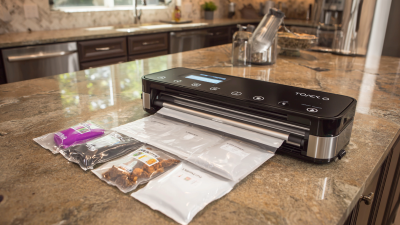

Choosing the right food sealer can influence freshness, labor costs, product presentation, and customer trust. A machine that looks powerful may still waste film, seal unevenly, or slow a busy packing line. The best choice depends on your products, packaging materials, daily volume, and available workspace. It also depends on what happens after sealing. Refrigerated meals, roasted coffee, fresh produce, and dry snacks require different protection levels.
Professor Gordon L. Robertson, a respected food-packaging authority, wrote, “Packaging is the art, science and technology of enclosing and protecting products.” That principle remains practical for every business evaluating a food sealer. A reliable machine should create consistent seals without crushing delicate items or leaving weak corners. Operators should check seal width, temperature control, vacuum strength, cycle time, cleaning access, and replacement-part availability. These details are easy to overlook.
Small tests matter.
Place several real products inside the intended bags. Watch for liquid movement, wrinkles, trapped air, and seal distortion. Measure the results after storage, transport, and repeated handling. A countertop food sealer may suit a small kitchen, while a chamber or continuous-band model may better serve higher output. Still, larger equipment is not automatically better. It can consume more space, training time, and maintenance resources.
No selection is perfect. That is worth admitting. Businesses sometimes choose impressive specifications instead of dependable performance. This guide will compare practical options, explain key technical terms, and identify common purchasing mistakes. The goal is not to promote the most expensive food sealer. It is to help you choose a machine that protects products consistently and supports real working conditions.
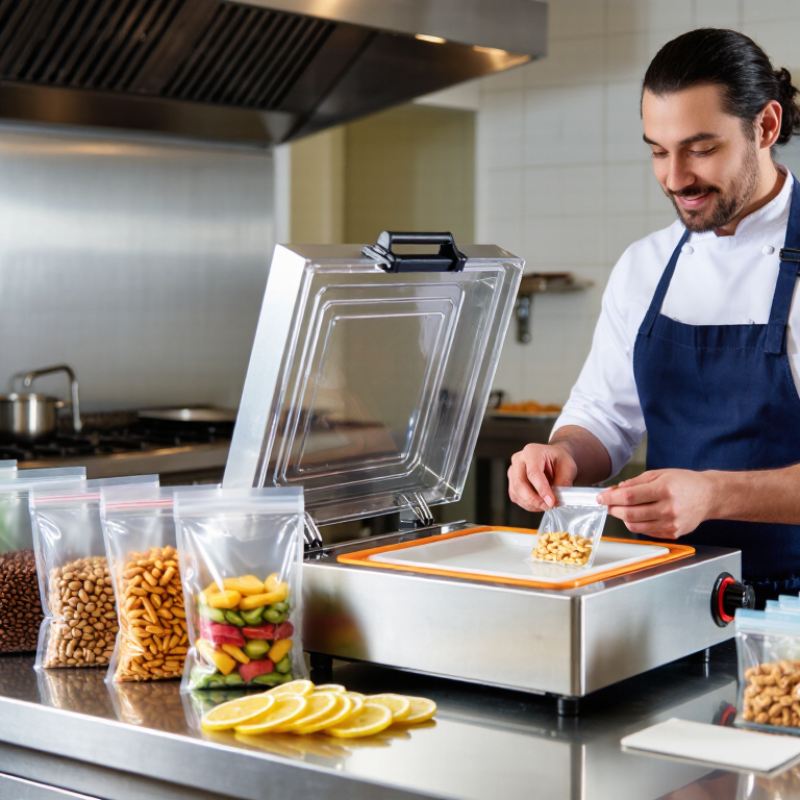
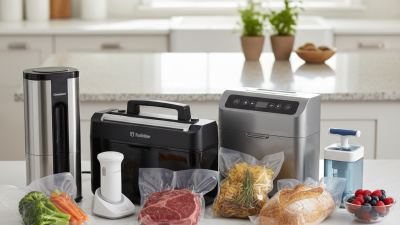
Choosing a business food sealer starts with the product, not the machine. Chamber vacuum sealers suit soups, sauces, and marinated meat because the bag sits inside a controlled chamber. They reduce trapped air around wet products. External suction sealers work better for dry goods and smaller batches. Their lower cost is attractive, but liquid can damage the vacuum pump. I have seen operators overlook this detail.
Tray sealers fit prepared meals, fresh produce, and portioned proteins. They can apply lidding film, vacuum, or modified-atmosphere packaging. Continuous band heat sealers handle powders, snacks, grains, and frozen items at steady speeds. For high-output lines, check sealing temperature, dwell time, film compatibility, and cleaning access. A fast machine is not automatically the right machine.
The choice also affects food waste and operating risk. FAO reports that about 14% of food is lost between harvest and retail globally. UNEP’s 2024 Food Waste Index estimated 1.05 billion tonnes of food waste in 2022. Reliable seals may protect quality, but packaging cannot fix poor refrigeration or weak hygiene controls. Test real products at peak moisture and temperature. Record failed seals, wrinkles, leaks, and downtime. My practical preference is a slightly slower sealer with repeatable results. Speed figures can look impressive. They may not reflect changeovers, cleaning, or rejected packs. For evidence-based purchasing, compare supplier trials with production data, maintenance records, and applicable food-contact requirements.
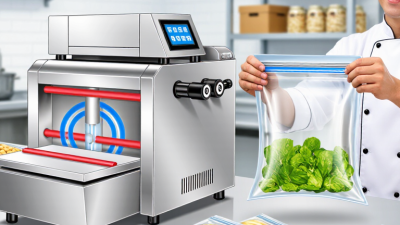
Choosing a food sealer requires more than checking its advertised vacuum level.
In daily production, compare seal strength, leak resistance, cycle time, and temperature stability. A strong seal should survive handling, stacking, and cold storage without wrinkled edges. Test it with your actual product, film thickness, and moisture level. Dry powder and oily foods behave differently.
13.2% The FAO reports that 13.2% of food is lost between harvest and retail.
Reliable sealing cannot solve every loss point, but it can reduce exposure to air, moisture, and contamination during distribution. Compare vacuum consistency across repeated cycles, not just the first test. The machine should recover quickly after continuous use. Watch the details. Measure energy use, compressed-air demand, and rejected packs per shift. PMMI industry reports consistently identify labor efficiency and equipment reliability as major packaging priorities, so simple controls and easy cleaning deserve serious weight.
I would also examine seal-jaw alignment and replacement-part access.
Small misalignment can create invisible channels in the seal. That is easy to miss. Ask suppliers for documented test methods, maintenance intervals, and measured results under similar conditions. Marketing figures may use ideal laboratory settings. They may not reflect a humid processing room or a rushed operator.
A practical trial should record leak rates, output per hour, noise, and operator errors for several shifts. The best choice is the machine that performs steadily, not the one with the most impressive single number.
The best food sealer depends on your product, packaging film, and production speed. Vacuum sealing suits dense foods that need oxygen reduction, such as meat, cheese, and prepared meals. Modified atmosphere packaging works better for products needing controlled gas levels and a softer presentation. Heat sealing is often practical for dry foods, powders, and flexible pouches. However, sealing is not only about machine temperature. Moisture, grease, seal width, and film structure can change performance.
The UNEP Food Waste Index Report 2024 estimates that 1.05 billion tonnes of food were wasted in 2022. A weak seal can contribute to spoilage, leakage, and unnecessary returns. Grand View Research valued the global food packaging market at approximately 562.3 billion dollars in 2023. These figures show why a small sealing decision can affect large operational costs. Test seal strength, oxygen transmission, drop resistance, and storage life under real conditions. A perfect seal on day one may fail after refrigeration, stacking, or transport. That uncomfortable detail is easy to overlook.
Tips: Match the seal to the product’s moisture and oxygen sensitivity. Run trials using actual packaging materials. Check seal quality at the slowest and fastest production speeds. Record failures, even minor wrinkles or weak corners. An experienced operator may still choose the wrong method when convenience replaces testing.
Choosing the best food sealer starts with your daily production volume, not the largest advertised capacity. A small kitchen may need a compact unit for steady batches, while a central facility requires wider sealing bars and faster cycles. Measure your busiest hour. Leave space for loading and cleaning. I have seen teams buy oversized equipment, then lose valuable counter space.
Safety deserves equal attention. Look for stable lids, heat-resistant handles, automatic shutoff, and clear temperature controls. Sealing surfaces can become dangerously hot. Staff should receive practical training, especially when changing film or clearing jams. Check whether food-contact materials are suitable for your application. Keep the sealing area dry. A rushed operator can create weak seals or burn injuries.
Operating costs include more than electricity. Estimate film use, replacement gaskets, maintenance time, and downtime during repairs. A cheaper machine may consume more packaging material through uneven seals. Track rejected packs for one month. That figure can be surprisingly high. Energy consumption matters, but cycle speed also affects labor costs. I once focused too heavily on purchase price and overlooked cleaning time. That decision looked efficient initially, but the weekly labor expense told a different story. Select equipment that your team can inspect, clean, and operate consistently.
| Sealer Type | Typical Package Capacity | Typical Throughput | Common Bag or Tray Size | Typical Vacuum or Sealing Performance | Electrical Demand | Key Safety Features | Consumables and Maintenance | Estimated Electricity Cost per 1,000 Cycles | Best Business Application |
|---|---|---|---|---|---|---|---|---|---|
| External-Suction Vacuum Sealer | One small-to-medium bag per cycle | 120–240 cycles/hour | Sealing widths commonly up to 400 mm | Suitable for dry products; vacuum performance depends on bag texture, product shape, and pump size | Approximately 0.3–0.8 kW | Heat-resistant sealing strip, automatic lid control, overheat protection | Requires embossed vacuum bags; sealing strip and heating element need periodic inspection | Approximately $0.35–$0.70 Electricity only, based on $0.15/kWh |
Small food businesses, cafés, butcher shops, and low-to-medium volume prep operations |
| Chamber Vacuum Sealer | One or several bags, depending on chamber size | 60–180 cycles/hour | Typical chamber widths of 300–600 mm | Generally more consistent vacuum levels; suitable for liquids, marinades, soups, and soft foods when correctly operated | Approximately 0.8–2.5 kW | Transparent lid, lid interlock, overheating protection, controlled pressure release | Uses smooth vacuum bags; requires oil or oil-less pump maintenance according to the equipment design | Approximately $0.80–$1.50 Electricity only, based on $0.15/kWh |
Restaurants, catering kitchens, central food preparation, and businesses processing liquids |
| Continuous Band Sealer | Continuous flow of pre-filled bags | 10–30 metres of sealing per minute | Commonly handles bags up to 300–400 mm wide | Provides a continuous heat seal; it does not normally remove air unless combined with a separate gas-flushing system | Approximately 0.4–1.2 kW | Guarded heating zone, temperature controller, emergency stop on larger units | Requires replacement sealing belts, heater elements, and PTFE bands over time | Approximately $0.25–$0.60 Electricity only, based on $0.15/kWh |
Dry goods, snacks, grains, powders, spices, and high-volume bag sealing lines |
| Tray Sealer | One or multiple trays per cycle | 300–900 trays/hour | Tray formats commonly range from 150 × 100 mm to 325 × 265 mm | Heat-seals lidding film to rigid trays; optional vacuum or modified-atmosphere packaging may be available | Approximately 1.5–4.0 kW | Safety cover, guarded cutting area, temperature control, emergency stop on commercial models | Requires compatible trays and lidding film; sealing die and cutting blade require cleaning and inspection | Approximately $0.60–$1.30 Electricity only, based on $0.15/kWh |
Fresh meat, seafood, prepared meals, produce, and retail-ready food packaging |
| Impulse Heat Sealer | One open bag per cycle | 200–500 cycles/hour | Typical sealing widths of 200–600 mm | Creates a heat seal on compatible thermoplastic films; it does not vacuum the package | Approximately 0.2–0.8 kW | Insulated sealing jaws, automatic heat cutoff, non-slip base, heat-resistant handle | Requires compatible polyethylene, polypropylene, or laminated films; heating wire and PTFE tape are replaceable | Approximately $0.15–$0.45 Electricity only, based on $0.15/kWh |
Bakery goods, dry ingredients, retail bags, and businesses needing simple low-cost sealing |
Choosing the best food sealer starts with your daily workflow, not the machine’s advertised power. A small café may need a compact heat sealer for portioned sauces, pastries, and prepared meals. A busy catering kitchen may require faster sealing, wider bags, and adjustable temperature controls. Measure your busiest hour. One seal every few seconds can expose a serious capacity problem.
Consider the food, packaging, and storage conditions together. Dry goods often need a simple, reliable seal. Moist foods may require stronger sealing pressure and careful temperature control. Vacuum sealing can help reduce air around suitable products, but it does not replace refrigeration or safe handling. Check the seal width, cycle time, cleaning method, and replacement-part availability before purchasing. These details affect labor more than many buyers expect.
Your staff must operate the sealer confidently during a rushed service. Choose controls that are clear, even with wet gloves or limited training. I once selected a powerful unit for a small production room, but its long warm-up time slowed the entire packing line. The choice looked efficient on paper. It was not. Test sample bags with your actual foods and packaging materials. Watch for wrinkles, weak corners, leaks, and overheated film. Record the results across several shifts. A practical decision may feel less impressive, but dependable seals protect product quality and reduce wasted packaging.