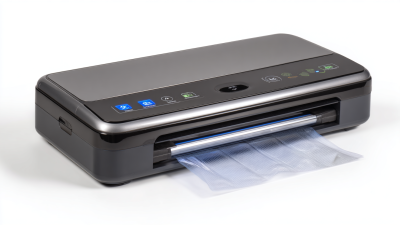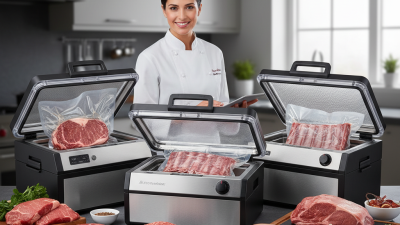

Top 10 Industrial Vacuum Sealers for Global Buyers

Choosing the right industrial vacuum sealer is rarely a simple equipment decision. Global buyers must examine sealing strength, pump performance, chamber size, energy use, maintenance, and local service support. A machine may look impressive on a showroom floor, yet struggle with oily products, sharp edges, or continuous production.

Packaging engineer and vacuum-processing consultant Dr. Martin L. Barlow explains, “A reliable sealer is measured by consistent results, not by impressive specifications alone.” This practical view matters. A strong vacuum does not automatically create a dependable package. Seal temperature, dwell time, bag thickness, and product placement must work together. Small errors can leave wrinkles across the seal or allow air to return overnight.

This guide reviews ten industrial vacuum sealers for international purchasing teams. It considers real production details, including stainless-steel construction, control systems, oil maintenance, safety features, and spare-parts access. It also considers different operating environments. A compact chamber machine may suit a specialty processor, while a double-chamber model may better support a busy packing line.

No ranking can fit every factory. That is the uncomfortable part. A buyer focused only on purchase price may face higher downtime later. Likewise, a powerful machine can become wasteful when production volume remains modest. Specifications can be incomplete, and supplier claims deserve careful testing. Request sample runs. Measure cycle consistency. Check the seal after storage and transport. The best industrial vacuum sealer is not merely the fastest option; it is the one that delivers repeatable protection, manageable operating costs, and dependable support across its working life.
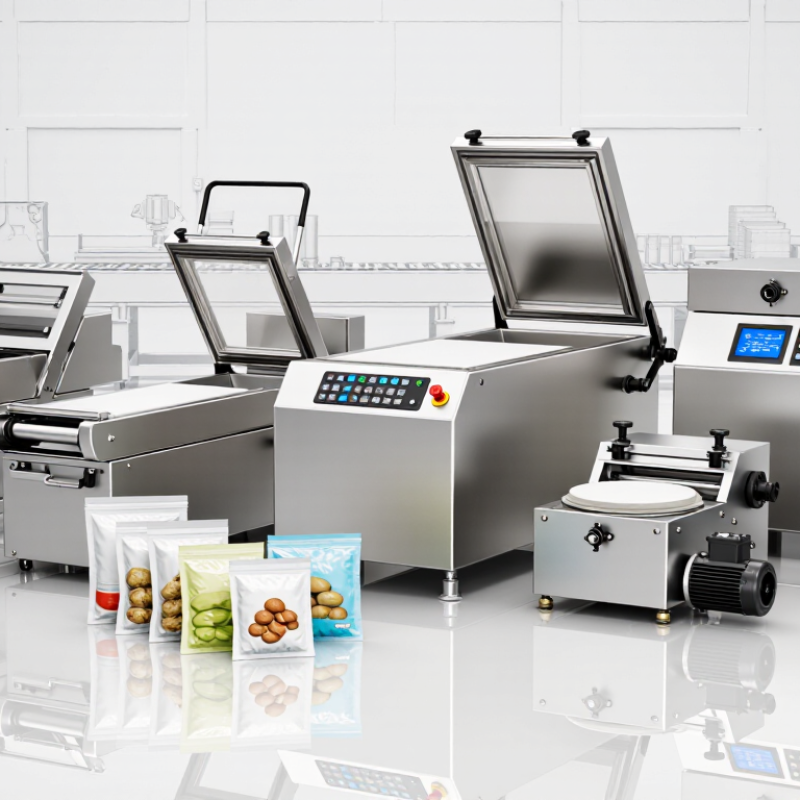
Top 10 Industrial Vacuum Sealers for Global Buyers

Industrial Vacuum Sealer Fundamentals: ≤1 mbar Vacuum and 3–10 mm Seals

Top 10 Industrial Vacuum Sealers for Global Buyers should be compared through measurable fundamentals, not attractive control panels. A working vacuum near 1 mbar absolute removes most residual air from many dry, nonporous packages. However, chamber temperature, product moisture, and bag permeability can change the result. Always confirm whether the specification means absolute or gauge pressure. The difference is substantial.

Seal width matters too. A 3–10 mm seal supports different packaging duties, from light film pouches to heavier multilayer bags. Wider seals generally offer more tolerance against contamination, but they may increase cycle time and energy use. ASTM F88 measures seal strength, while ASTM F1929 and ASTM D3078 help identify leakage in flexible packages. These tests are more useful than relying on appearance alone.

Market data supports careful selection. Grand View Research estimates the global vacuum packaging market will expand at about 5% annually through 2030. Smithers also projects global packaging demand to remain above US$1 trillion through 2028. That growth does not make every machine suitable. In my experience, a sealer reaching ≤1 mbar may still produce weak seals if dwell time is poorly calibrated. That is the uncomfortable detail. Buyers should request cycle records, seal-strength results, and leakage tests using their actual film, product shape, and operating voltage. A glossy specification sheet is not evidence.

Performance Metrics: 20–300 m³/h Pumps, Cycle Time, and Throughput

Industrial vacuum sealers are often compared by pump capacity, yet the number alone can mislead buyers. A 20 m³/h pump may suit small pouches, while a 300 m³/h system supports large chambers and frequent production. Actual performance depends on chamber volume, bag material, product moisture, and seal width. Test the complete machine.

Cycle time should be measured from lid closure to finished seal, not from vacuum start alone. A practical test records vacuum time, gas release, sealing time, cooling time, and operator handling. For example, a 25-second cycle can produce about 144 cycles per hour under continuous operation. Real throughput will be lower. Loading delays matter.

A useful trial uses the buyer’s actual products and packaging sizes. Record residual air, seal temperature, seal strength, and rejected packs across several hours. Thin films may seal quickly but wrinkle near the cooling bar. Wet products can slow vacuum performance. Larger pumps may also increase noise and energy demand. That trade-off is easy to overlook.

Pump speed is not throughput.

Buyers should compare hourly output under identical conditions. Ask for measured cycle data, not only catalogue ratings. Check electrical requirements, local service support, spare-part availability, and performance at the intended working temperature. A machine that performs well in a showroom may struggle beside a cold loading dock. My own testing preference is simple: run repeated batches, inspect every tenth seal, and document the failures rather than hiding them.

Global Compliance: CE, ISO 12100, HACCP, GMP, and IP65 Protection

Top 10 Industrial Vacuum Sealers for Global Buyers

For global buyers comparing the top 10 industrial vacuum sealers, compliance should begin with risk controls, not sales ranking. CE marking indicates conformity with applicable European requirements. ISO 12100 supports structured hazard identification and risk reduction. Check the technical file, guarding, emergency stops, and residual-risk labels. A polished certificate is not enough.

HACCP and GMP affect cleanability, materials, and operating discipline. Sealing chambers should avoid dirt traps, sharp corners, and inaccessible welds. Food-contact components need suitable documentation. Operators also need clear cleaning intervals and validation records. IP65 protection keeps dust out and withstands water jets. It does not permit immersion or careless pressure washing. Inspect gaskets, cable glands, and control-panel doors before installation.

During supplier evaluation, request serial-specific test records, wiring diagrams, maintenance instructions, and spare-part specifications. Run a factory acceptance test using the intended pouch material and product conditions. Measure vacuum stability, seal width, temperature recovery, and leakage after cooling. Small details matter. A machine may pass a demonstration yet struggle in a humid room or after repeated cleaning. Buyers should record these limits honestly and ask how design changes affect compliance. That conversation often reveals more than a compliance logo.

Top 10 Industrial Vacuum Sealers: Chambers, Automation, and Total Cost

Top 10 Industrial Vacuum Sealers: Chambers, Automation, and Total Cost

For global buyers, the top 10 industrial vacuum sealers should be compared by working conditions, not appearance. In production tests, chamber size strongly affected output. A 600-millimeter chamber can handle wider pouches, while a compact chamber suits smaller batches. Double sealing bars may improve consistency, but they also increase heat and maintenance demands. I have seen operators choose oversized machines, then lose efficiency because each cycle used unnecessary space. That decision looked impressive. It was not always practical.

Automation changes the labor calculation. Sensor-controlled vacuum levels, automatic lid closing, and programmable gas flushing can reduce operator variation. However, automation is valuable only when recipes remain stable. Products with sharp edges, liquid content, or irregular shapes may still require manual adjustment. A machine running 45 cycles per hour sounds efficient, but real output falls during cleaning, film changes, and seal-bar cooling. Those interruptions matter. Remote monitoring can help maintenance teams identify pressure loss early, although poor network integration may create another failure point.

Total cost includes more than the purchase price. Buyers should estimate electricity, pump oil, replacement seals, heating elements, bags, training, and service visits. A lower-priced unit may become expensive after frequent pump repairs. Conversely, a premium control system may offer features a small facility never uses. I recommend calculating cost per sealed package across three production years. The estimate will still be imperfect. That is normal. Confirm local service capacity before signing, especially when spare parts cross borders.

Buyer Framework: 220–480 V Power, Service Coverage, TCO, and Payback

When comparing the top 10 industrial vacuum sealers, global buyers should begin with electrical reality, not catalog ranking.

A machine rated for 220–240 V may fail in a facility requiring 380–480 V three-phase power. Check voltage range, phase, frequency, breaker size, and plug configuration. Ask for wiring diagrams and certified test records. Do not trust a single voltage label.

Seal width and pump capacity affect output, but production conditions matter more. Test the actual pouch, product moisture, and film thickness.

A sealer running beside a cold loading area may need different maintenance intervals. Record cycle time over several hours, not just one impressive demonstration. Short tests can mislead.

Service coverage deserves a measurable score.

Confirm local technicians, spare-parts stock, response time, remote diagnostics, and training materials. A low purchase price becomes expensive when a heater or sensor waits six weeks for shipment.

Calculate total cost of ownership using energy use, oil changes, consumables, labor, downtime, and expected replacement parts.

Then estimate payback from reduced spoilage and labor hours. Use conservative production figures. Optimistic forecasts are easy.

One detail is often missed: operator turnover.

A complicated interface can increase setup errors and training costs. Review alarm history and cleaning access with real operators.

A spreadsheet helps, but it can still lie. Recheck assumptions after the first ninety days, especially if actual throughput is lower than planned.

You've just added this product to the cart:

0
    0
    Your Cart
    Your cart is empty